
Composite Decking Where to Buy: A Comprehensive Guide for Industrial Suppliers in 2023
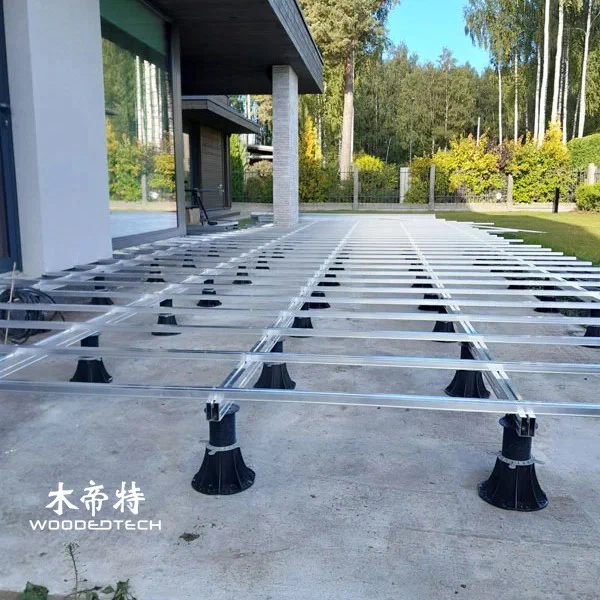
Selecting a reliable WPC (Wood Plastic Composite) supplier is crucial for overseas buyers looking to invest in composite decking and other outdoor products. This guide will help you navigate the process of evaluating potential suppliers, assessing factories, confirming product specifications, and avoiding common purchasing risks associated with international trade.
Evaluating Potential Suppliers
When searching for a WPC supplier, start by conducting thorough research on potential companies. Look for suppliers with solid reputations and positive reviews from previous clients. Check their experience in the industry, focusing on how long they have been in business and their specialization in WPC products. A reliable supplier should be able to provide references or case studies showcasing their previous work.
Additionally, consider the supplier’s certifications and compliance with international standards. This includes quality certifications, environmental regulations, and product safety standards, which are indicative of a supplier’s commitment to quality.
Assessing Factory Capabilities

Visiting the factory is one of the best ways to assess a supplier’s capabilities. If travel is not feasible, request a virtual tour or detailed videos showcasing the production process. Look for the following aspects:
- Production capacity and efficiency
- Equipment quality and modernization
- Quality control processes
- Employee training programs
A well-organized factory with efficient operations and stringent quality control measures indicates a supplier’s ability to deliver consistent quality products.
Confirming Product Specifications
Before placing an order, it’s essential to confirm the product specifications. This includes dimensions, material composition, color options, and any additional features such as anti-slip surfaces or UV resistance. Always request samples before making a bulk purchase, as this allows you to evaluate the product first-hand and ensure it meets your requirements.
Inquire about the manufacturing process, including the types of materials used and the technology employed. Understanding these details can provide insight into the product’s durability and overall performance.
Avoiding Common Purchasing Risks
International trade comes with various risks. Here are some strategies to mitigate them:
- Fraud Prevention: Be wary of suppliers that ask for full payment upfront, especially if they are new or lack a substantial online presence. Establish a payment plan that includes a deposit and balance upon delivery.
- Quality Assurance: Implement a quality assurance plan that includes regular checks during production. Consider hiring a third-party inspection company to ensure compliance with your product specifications.
- Clear Communication: Maintain open lines of communication with your supplier throughout the purchasing process. Discuss timelines, shipping methods, and any potential issues that may arise.
- Understanding Terms: Familiarize yourself with Incoterms (International Commercial Terms) to understand the responsibilities of both parties regarding shipping, insurance, and tariffs.
By applying these strategies, overseas buyers can significantly reduce risks and ensure a smooth purchasing process.
In the competitive landscape of WPC products, a careful approach to selecting suppliers and verifying product quality can lead to successful long-term partnerships. Investing time and resources into these areas will ultimately drive better outcomes for your business.
Related Articles
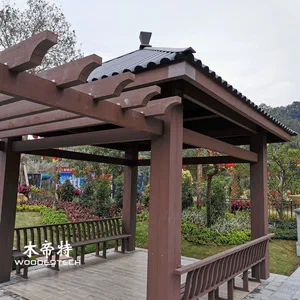 Choosing the Right Composite Deck Suppliers: Key Factors for 2023 Success
 Understanding Composite Deck Pricing Per Square Foot: Key Factors for Businesses in 2024
 Best Practices for Installing Composite Decking on Stairs: A Comprehensive Guide for 2023
 Understanding the Cost for Composite Deck Per Square Foot: A 2023 Guide for Contractors
Related Products
 GD13820 M Shape Co Extruded Composite Deck Planks Feature a Special Profile Design for Distinctive Outdoor Decking Applications
 GD13823 Double Sided Flat Surface Co Extruded WPC Decking Features a Popular Width and Thickness with Round Hollow Structure
 GD13823-3 Composite Boards for Decking Are Available in Multiple Stock Colors with 3 Meter Lengths and Single Piece Delivery