
Composite decking weight helps customers choose suitable materials for different construction needs
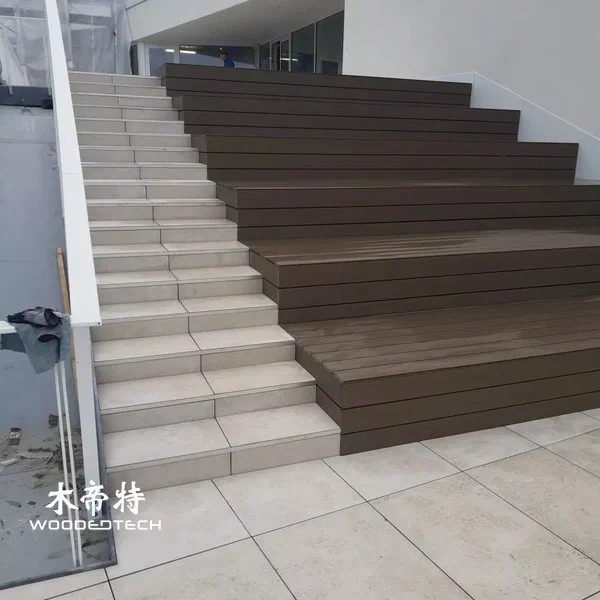
Composite decking weight is a practical buying factor for exterior projects because it affects transport, handling, subframe design, and long-term performance. Compared with natural wood, traditional timber, aluminum, and other outdoor materials, outdoor WPC offers a useful balance of strength, stability, and maintenance savings.
Why weight matters in material selection
Heavier materials often need stronger joists, more labor, and higher freight costs. Lighter materials may be easier to install, but they can feel less solid underfoot or require tighter spacing to control movement. For contractors, the right choice depends on whether the project is a rooftop terrace, villa deck, garden walkway, poolside area, or commercial boardwalk.
Outdoor WPC sits in the middle of the comparison. It is generally heavier than softwood and many plastic boards, but lighter and easier to work with than stone, concrete, or metal systems. That middle range helps buyers match material weight to structural capacity without overspending on hidden support work.
Outdoor WPC versus natural wood, timber, and aluminum
Natural wood and traditional timber are appealing because they are familiar, warm, and easy to cut. Their main drawback is instability: moisture, UV exposure, and insects can cause swelling, cracking, splintering, and regular repainting or sealing. Lifecycle cost is often higher than the purchase price suggests.
Aluminum is very light, strong, and highly weather-resistant. It works well where weight control is critical, such as elevated structures or modular builds. The downside is cost, noise, heat transfer, and a less natural appearance. It also typically needs a more engineered fastening system to avoid movement or drumming.
Outdoor WPC, or wood plastic composite, provides a wood-like look with better resistance to rot, moisture, and surface wear. It does not need staining, but it can expand and contract, so correct installation gaps and substructure design matter. Compared with wood, WPC usually reduces maintenance. Compared with aluminum, it offers a more comfortable walking surface and a warmer visual effect.
Other exterior materials, such as PVC boards, stone, or concrete pavers, each solve different problems. PVC is light and low-maintenance but may feel less rigid. Stone and concrete are extremely durable but much heavier, increasing foundation load and installation cost. For many projects, WPC is chosen because it keeps the weight manageable while still supporting a premium outdoor finish.
Maintenance and lifecycle cost
A material with a low upfront price can become expensive if it needs frequent refinishing, replacement, or structural reinforcement. WPC usually needs only routine washing, while wood and timber need periodic coating, sanding, and repair. Aluminum needs little surface care, but the supporting system and accessories can raise overall cost.
Lifecycle cost should include:
- Purchase price
- Shipping and handling
- Labor and installation
- Substructure requirements
- Cleaning and maintenance
- Replacement interval
For many buyers, WPC offers the best cost control over time when a project needs a wood appearance, moderate weight, and predictable maintenance.

How to choose the right option
Choose outdoor WPC when you want balanced weight, good durability, and lower upkeep for decks, balconies, and garden platforms. Choose wood or timber when appearance and easy field modification matter more than long-term maintenance. Choose aluminum when the structure is weight-sensitive or requires maximum dimensional stability. For heavy-duty, low-maintenance, and budget-sensitive projects, the final decision should always include both load requirements and full lifecycle cost.
FAQ
Q: Is composite decking heavier than wood? A: Usually yes, especially compared with softwood. It is still manageable for most residential and commercial deck structures when the subframe is designed correctly.
Q: Does heavier decking always mean better quality? A: No. Weight can improve solidity, but quality also depends on material formulation, surface treatment, stability, and installation design.
Q: Which material has the lowest lifecycle cost? A: It depends on the project, but WPC often performs well because it reduces repainting, sealing, and frequent replacement compared with natural wood.
Related Articles
 10 x 16 composite deck cost depends on design materials and installation requirements
 quality composite decking delivers reliable outdoor flooring solutions with long lasting performance
 WPC Decking Materials for Strong Low Maintenance Outdoor Decking Solutions
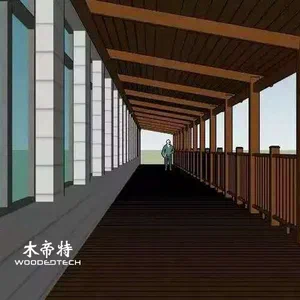 Composite deck or wood comparison helps customers choose the right outdoor flooring material for their projects
Related Products
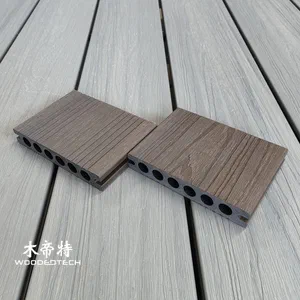 Purple Sandalwood GD13823-3 Co Extruded WPC Outdoor Decks with Round Holes Are Available in Stock in 3 Meter Lengths Year Round
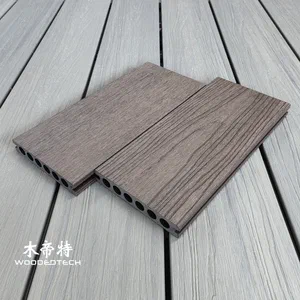 3DGD13823 Second Generation 3D Embossed Rosewood Composite Balcony Decking Delivers Ultra Realistic Wood Grain Texture and a Premium Natural Wood Experience
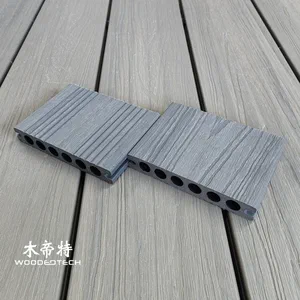 GD13823-3 Light Grey Premium Co Extrusion WPC Composite Decking Offers LG Texture and Excellent UV Resistance for Outdoor Spaces