
Composite Decking Wall Panels: Applications, Benefits, and Market Trends
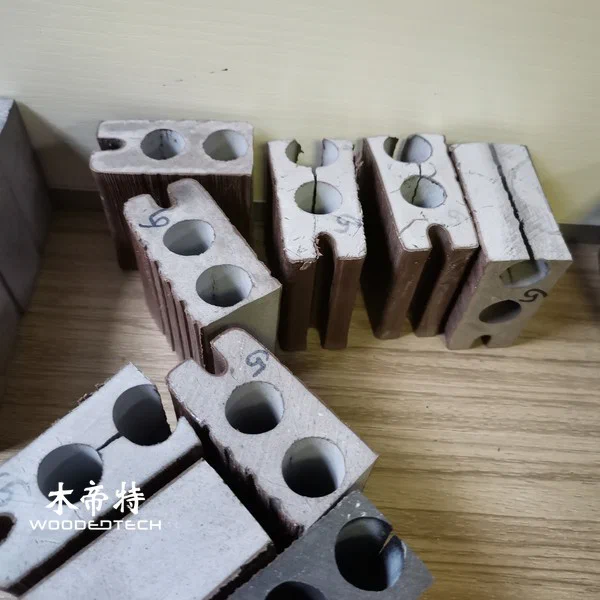
Composite decking wall panels are becoming an important part of the global outdoor building materials market, offering a practical alternative to traditional timber for residential, commercial, and landscaping projects. Made from wood-plastic composites (WPC), these products combine the natural appearance of wood with improved moisture resistance, dimensional stability, and reduced maintenance requirements. As demand for attractive, durable, and sustainable outdoor spaces increases, composite decking and wall cladding are creating new opportunities for manufacturers, distributors, contractors, and international building material suppliers.
1. Applications of Composite Decking and Wall Panels

Composite decking and wall panels serve a growing range of architectural and landscaping applications. Their versatility allows designers to coordinate exterior flooring, wall surfaces, privacy screens, and decorative structures using complementary materials and finishes.
Common applications include:
- Residential outdoor spaces: Composite decking is widely used for patios, balconies, garden terraces, swimming pool surrounds, and backyard entertainment areas. WPC wall panels can complement these installations by creating decorative exterior walls and privacy features.
- Commercial buildings: Hotels, restaurants, resorts, shopping centers, and office developments use composite materials for outdoor walkways, terraces, seating areas, and facade decoration. Their relatively low maintenance requirements make them attractive for properties with frequent visitor traffic.
- Garden and landscape design: Composite products are increasingly incorporated into garden pathways, raised platforms, decorative fencing, planter surrounds, pergolas, and outdoor seating arrangements.
- Exterior wall decoration: WPC wall cladding provides a wood-inspired appearance for exterior facades, garden structures, outdoor entertainment areas, and selected semi-open architectural spaces.
- Public and recreational facilities: Parks, waterfront developments, leisure facilities, and recreational spaces can benefit from composite benches, decking, railing systems, and decorative wall installations.
One important market development is the integration of decking and wall cladding into coordinated outdoor design systems. Instead of purchasing individual materials from different suppliers, project developers increasingly value product collections that provide consistent colors, textures, dimensions, and installation accessories.
2. Key Benefits Driving Global Demand
The increasing popularity of composite building materials is closely connected to their performance advantages over conventional timber.
Moisture resistance is particularly important in outdoor environments. Traditional wood can absorb water, swell, crack, or deteriorate when exposed to repeated moisture and temperature changes. Properly formulated WPC products offer improved resistance to these conditions, making them suitable for many exterior applications.
Low maintenance is another major purchasing consideration. Composite decking and wall panels generally do not require routine painting, staining, or wood-preservative treatments. This can reduce ongoing maintenance expenses for homeowners, property managers, and commercial operators.
Product durability also influences purchasing decisions. Modern manufacturing technologies, including co-extrusion and protective surface treatments, help improve resistance to fading, staining, scratches, and environmental exposure. Capped composite products are particularly attractive in projects where appearance retention and long-term performance are priorities.
Design flexibility provides an additional competitive advantage. Manufacturers can offer realistic wood-grain textures, embossed surfaces, multiple colors, fluted profiles, and customized dimensions. These options allow architects and landscape designers to create contemporary outdoor environments without relying exclusively on natural timber.
Sustainability is becoming increasingly relevant in international procurement. Many WPC products incorporate recycled plastics and reclaimed wood fibers, helping reduce dependence on virgin raw materials. However, buyers should evaluate actual recycled content, product composition, manufacturing processes, and end-of-life options rather than assuming every composite product has the same environmental performance.
3. Global Market Trends and Regional Demand
The international market for wood-plastic composites continues to expand as construction companies and property owners seek durable alternatives to traditional outdoor materials. BCC Research estimates that the global WPC market will increase from approximately USD 4.7 billion in 2024 to USD 6.9 billion by 2029, representing an estimated compound annual growth rate of 8.1%.
North America remains a major market for composite decking, supported by established outdoor living trends, residential renovation activity, and widespread consumer familiarity with composite products. The United States is particularly attractive for suppliers offering premium decking boards, capped composite profiles, matching railing systems, and coordinated outdoor accessories.
Europe presents opportunities linked to renovation projects, material efficiency, environmental considerations, and contemporary architectural design. Buyers often pay close attention to product documentation, material traceability, fire performance, and compliance with applicable construction requirements.
Asia-Pacific offers significant long-term growth potential. Urban development, expanding residential construction, hospitality investment, and rising demand for modern outdoor environments are supporting the adoption of engineered building materials. China, Australia, Japan, South Korea, and India represent important markets with different purchasing requirements and price expectations.
The Middle East also deserves attention. Hotels, resorts, luxury residential developments, and large landscaping projects create demand for outdoor materials capable of handling strong sunlight, high temperatures, and demanding maintenance conditions. Manufacturers targeting this region should prioritize UV resistance, thermal performance, and suitable product specifications.
Although regional market forecasts vary by research methodology and product definition, the broader direction is consistent: composite materials are gaining visibility across residential construction, commercial development, and outdoor landscaping.
4. Technology and Product Innovation
Manufacturing innovation is changing how composite decking and wall panels compete in the international market. Basic WPC profiles remain important in price-sensitive applications, but demand is increasingly shifting toward products with improved surface performance and more distinctive designs.
Co-extrusion technology is one of the most significant developments. It creates a protective outer layer around a composite core, helping improve resistance to moisture, stains, fading, and everyday wear. This technology allows manufacturers to develop premium decking and cladding products for demanding outdoor environments.
Three-dimensional embossing and realistic wood-grain finishes are also gaining attention. Buyers increasingly expect composite materials to reproduce the appearance of natural oak, teak, walnut, and other popular timber varieties. Fluted wall panels, vertical battens, decorative grilles, and contemporary slatted cladding further expand the design possibilities.
Another emerging direction is product customization. International buyers may require specific colors, profile dimensions, surface patterns, packaging formats, and installation accessories. Manufacturers with flexible extrusion capabilities and reliable quality control can respond more effectively to these requirements.
Fire performance, slip resistance, structural stability, and UV protection are also becoming important areas of product development. Suppliers should provide relevant test reports and technical documentation appropriate to the destination market and intended application.
5. Future Market Opportunities for Manufacturers and Exporters
The next stage of market development will create opportunities beyond conventional composite decking boards. Buyers are increasingly interested in complete outdoor building material collections that combine flooring, wall cladding, fencing, pergolas, railing, louvers, and landscape accessories.
For manufacturers, developing coordinated WPC product ranges can increase order value and create stronger relationships with distributors, contractors, and project developers. A supplier capable of providing matching decking, wall panels, privacy fencing, and pergola components may have an advantage over businesses selling only individual products.
Premium product positioning is another promising opportunity. Co-extruded decking, realistic wood-grain wall panels, UV-resistant profiles, and customized architectural components can help manufacturers move beyond price-based competition. Consistent quality, dependable lead times, and technical support are essential to maintaining this positioning.
Private-label and OEM manufacturing also offer growth potential. Importers, wholesalers, home improvement retailers, and regional building material brands may prefer working with factories that can provide customized specifications, branded packaging, stable production capacity, and flexible minimum order quantities.
There is also considerable potential in commercial landscaping and hospitality projects. Hotels, resorts, public parks, restaurants, and residential developments often require larger quantities of coordinated outdoor materials. Building relationships with landscape contractors, architects, and project procurement companies can help exporters access these opportunities.
However, market expansion requires careful attention to regional standards, shipping costs, installation requirements, and competition from timber, PVC, aluminum, and other alternative materials. Manufacturers should develop market-specific product portfolios rather than relying on one standard specification for every destination.
6. Building a Competitive Position in the Global Market
The long-term opportunity for composite decking wall panels lies in combining material performance with architectural design and practical installation. International buyers are not simply looking for alternatives to wood; they want products that improve outdoor spaces, reduce maintenance demands, and deliver consistent results over years of use.
Manufacturers that invest in advanced extrusion technology, recycled-material management, surface innovation, and customized product development will be better positioned to serve changing market requirements. Equally important are transparent technical specifications, reliable quality inspection, competitive wholesale pricing, and responsive export services.
As outdoor living, sustainable construction, and commercial landscaping continue to influence building material purchasing decisions, composite decking and WPC wall cladding are positioned to play a larger role in global exterior design. Suppliers that offer complete product solutions rather than isolated materials will have stronger opportunities to build long-term international distribution partnerships.
Related Articles
 WPC Wall Cladding Installation Requires Proper Planning for Stable and Attractive Exterior Applications
 How To Compare Wpc Wall Cladding Price For Different Outdoor Projects
 What Is Included In A Wpc Wall Cladding Installation Guide For Beginners
 wpc cladding melbourne provides stylish exterior wall panel solutions for modern outdoor architecture projects
Related Products
 GD13820 M Shape Co Extruded Composite Deck Planks Feature a Special Profile Design for Distinctive Outdoor Decking Applications
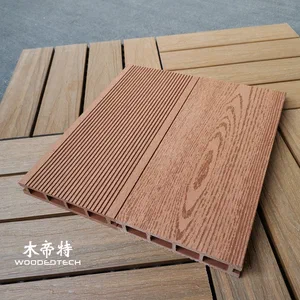 The Classic D14025-4 Red Wood WPC Wood Sheet Features a Timeless 2D Flat Wood Grain Design That Remains Popular After Twenty Years
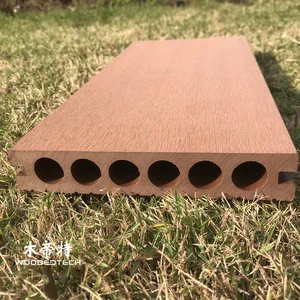 The D14025-5 Wood Composite Panels Feature a Classic Round Hole Design with Optional Embossed Wood Grain and Grooved Surfaces for Outdoor Durability