
Composite Decking Wall Cladding
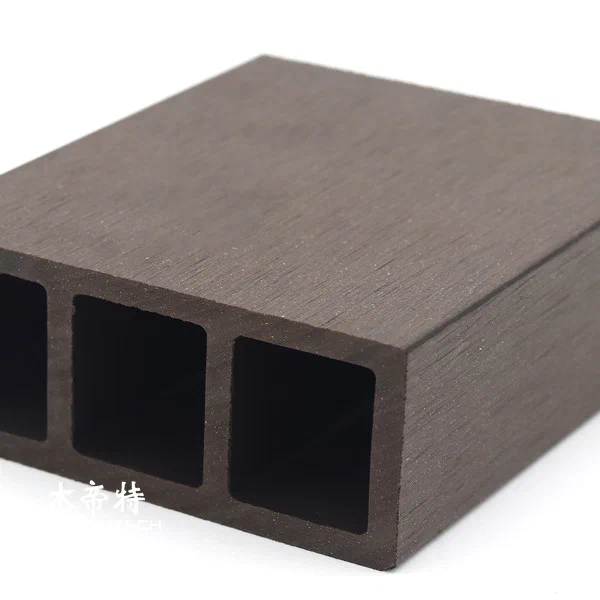
Designing high-performance outdoor wood plastic composite (WPC) formulations for applications like decking, wall cladding, fencing, pergolas, and landscape products requires a careful balance of materials and additives. The right mix can enhance durability, longevity, and aesthetics while keeping costs in check.
Wood Fiber and Plastic Ratio

The ratio of wood fiber to plastic is critical in WPC formulation. Typically, a higher wood fiber content leads to a more natural appearance and feel, but it can also increase susceptibility to moisture and biological degradation. A common approach is to maintain a ratio between 50-70% wood fibers and 30-50% plastic. This balance not only optimizes material properties but also helps to control costs since wood fibers are generally less expensive than plastics.
In applications like decking, a slightly higher plastic content may be beneficial. This can improve the material’s resistance to moisture and UV degradation, which is crucial for outdoor use. Conversely, wall cladding may benefit from higher wood content to achieve a more authentic wood-like finish.
Additives for Performance Enhancement
Additives play a significant role in improving the performance of WPC products. These can include:
- UV Stabilizers: Essential for protecting the composite from sun damage, maintaining color and structural integrity over time.
- Anti-fungal Agents: To prevent mold and mildew growth, particularly in humid climates.
- Fire Retardants: For applications where fire safety is a concern.
- Processing Aids: These improve the manufacturability of WPC materials, ensuring consistent quality and performance.
Using the right combination of additives can significantly extend the lifespan of the product while enhancing its appeal.
Cost Control Strategies
Cost control is paramount in the formulation of WPC products. While optimizing the wood fiber and plastic ratio can help manage material costs, sourcing quality raw materials at competitive prices is equally important. Establishing long-term relationships with suppliers can provide stability in pricing and ensure the availability of high-quality materials.
In addition, manufacturers should consider the economics of scale. Producing larger volumes can lead to lower per-unit costs, making it feasible to invest in higher-quality additives without significantly impacting the overall price of the final product.
Product Lifespan and Durability
The expected lifespan of WPC products is influenced by several factors, including environmental conditions and maintenance. High-performance formulations should aim for a lifespan of 25 years or more in outdoor applications. This can be achieved by:
- Utilizing fully capped composites, which provide additional protection against moisture and UV exposure.
- Ensuring that the formulation is resistant to scratches and impact, which is crucial for high-traffic areas like decks.
- Implementing rigorous testing protocols to ensure that products meet or exceed industry standards for durability.
Final Thoughts
Creating a high-performance outdoor WPC formulation involves a strategic approach to balancing wood fiber content, plastic ratio, and additives while keeping costs under control and maximizing product lifespan. By adhering to these principles, manufacturers can develop WPC products that not only meet market demands but also provide exceptional value and performance in outdoor settings.
Related Articles
 Exploring the Advantages of Wood Plastic Composite Board for Industrial Applications
 Essential Guide to Sourcing Composite Supplies for Industrial Applications in 2024
 Understanding Plastic Wood Called: Innovations and Applications in 2023
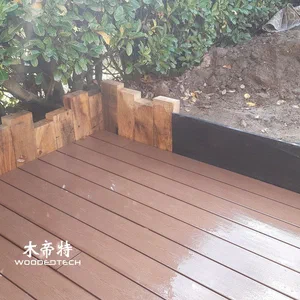 Wood Polymer Composite Manufacturing: Material Selection and Production Optimization
Related Products
 GD13823-3 Composite Boards for Decking Are Available in Multiple Stock Colors with 3 Meter Lengths and Single Piece Delivery
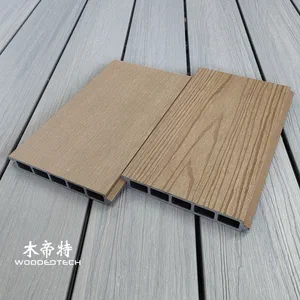 3DGL18024 WPC Longboard Fence Features Premium Co Extruded 3D Embossed Teak Wood Grain Texture with Realistic Natural Wood Fibers
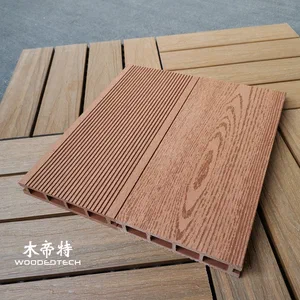 The Classic D14025-4 Red Wood WPC Wood Sheet Features a Timeless 2D Flat Wood Grain Design That Remains Popular After Twenty Years