
Composite Decking vs Wood Decking: Evaluating Long-Term Value for Industrial Applications
When considering materials for outdoor decking in industrial applications, both composite decking and wood decking present distinct advantages and disadvantages. This analysis will compare wood-plastic composite (WPC) decking with traditional wood, aluminum, and other exterior materials, focusing on maintenance, lifecycle costs, and overall value.
Advantages of Composite Decking

Composite decking, particularly WPC, offers several advantages over traditional wood choices. It is engineered from recycled wood fibers and plastic, leading to a product that is resistant to rot, insects, and moisture. This durability translates into a longer lifespan, often exceeding 25 years with minimal deterioration. Key benefits include:
- Low Maintenance: Unlike wood, WPC does not require regular sealing, staining, or painting. A simple wash with soap and water is generally sufficient to maintain its appearance.
- Environmentally Friendly: Made from recycled materials, composite decking is a sustainable option that reduces the demand for timber.
- Color Retention: Many WPC products are designed to resist fading from UV exposure, ensuring that the color remains vibrant over time.
Disadvantages of Composite Decking
Despite its benefits, composite decking does have some downsides. It can be susceptible to scratching and may not have the same natural aesthetic appeal as wood. Additionally, the initial cost of composite materials can be higher than that of traditional wood. Other considerations include:
- Heat Retention: WPC can become hot under direct sunlight, making it uncomfortable for bare feet.
- Limited Repair Options: While wood can be sanded down and refinished, damaged composite boards typically need to be replaced entirely.
Advantages of Traditional Wood Decking
Natural wood remains a popular choice for many applications due to its classic appeal and versatility. Key advantages include:
- Aesthetic Appeal: The natural grain and warmth of wood offer a look that many find attractive and desirable.
- Cost-Effective: Initial material costs for softwoods like pine or cedar can be lower compared to composite options.
- Ease of Modification: Wood can be easily cut, shaped, and stained, allowing for a high degree of customization.
Disadvantages of Traditional Wood Decking
However, traditional wood comes with significant maintenance requirements and potential drawbacks:
- High Maintenance: Regular treatments with sealants, stains, or paints are necessary to protect against moisture and UV damage.
- Susceptibility to Damage: Wood is vulnerable to pests, rot, and weathering, which can lead to a shorter lifespan.
- Environmental Impact: Unsustainable logging practices can lead to deforestation, making wood a less eco-friendly choice unless sourced responsibly.
Comparing Lifecycle Costs
When evaluating long-term value, lifecycle costs are a critical consideration. While composite decking has a higher upfront cost, its longevity and low maintenance requirements often result in lower overall expenses over time. In contrast, while wood may be cheaper initially, the costs associated with maintenance, repairs, and potential replacements can quickly add up.
For businesses and industries looking for durable, low-maintenance solutions, WPC decking often provides better long-term value. Conversely, for projects where aesthetics and initial costs take precedence, traditional wood may still hold some appeal.
Alternative Materials
Aluminum and other synthetic materials are also viable options for outdoor decking. Aluminum is incredibly durable and resistant to corrosion but can be prone to heat retention and may lack the warmth of wood. Other synthetic options might offer similar benefits to WPC but may not match its aesthetic versatility.
Ultimately, the choice between composite decking and wood decking will depend on specific project needs, budget constraints, and long-term goals. Understanding the unique qualities of each material can help businesses make an informed decision that aligns with their operational requirements and aesthetic preferences.
Related Articles
 Composite Decking Pros And Cons Help Buyers Understand Performance And Application Benefits
 Composite Deck Cost vs Wood: A Comparative Analysis for Industrial Buyers in 2023
 Pros and Cons Of Composite Decking Help Customers Understand Performance and Applications Before Choosing
 Composite Deck vs Wood: An In-Depth Comparison for Industrial Applications in 2023
Related Products
 GD13820 M Shape Co Extruded Composite Deck Planks Feature a Special Profile Design for Distinctive Outdoor Decking Applications
 GD13823-3 Composite Boards for Decking Are Available in Multiple Stock Colors with 3 Meter Lengths and Single Piece Delivery
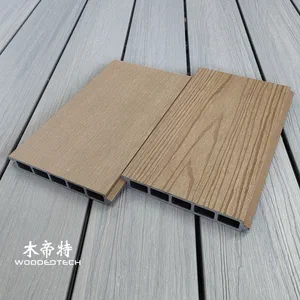 3DGL18024 WPC Longboard Fence Features Premium Co Extruded 3D Embossed Teak Wood Grain Texture with Realistic Natural Wood Fibers