
Composite Decking vs Wood Cost: A B2B Lifecycle Cost Analysis in 2026
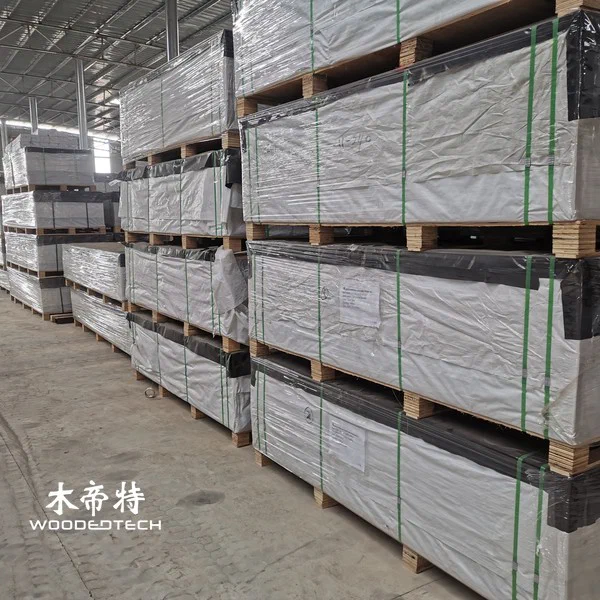
Outdoor WPC decking and natural wood differ significantly in their initial purchase price, maintenance requirements, service life, and long-term ownership costs. For commercial developers, contractors, importers, and building material distributors, comparing composite decking vs wood cost requires looking beyond the purchase price to evaluate installation, maintenance, replacement cycles, and total lifecycle expenditure over 10–25 years.
1. Initial Material Cost: Composite Decking vs Natural Wood
Natural wood decking generally has a lower entry price, particularly when using locally sourced softwood such as pine or pressure-treated timber. However, premium hardwoods such as teak, ipe, and cumaru can cost considerably more because of their density, sourcing requirements, and limited availability. Installation costs also vary depending on the timber species, board dimensions, and required surface treatments.

WPC (wood plastic composite) decking typically has a higher initial material cost than basic pressure-treated wood but offers a more predictable maintenance profile. Its price depends on several factors:
- Wood fiber and polymer composition.
- Solid or hollow board construction.
- Surface embossing and wood-grain finishes.
- UV protection and weather-resistant additives.
- Capped or uncapped surface technology.
- Board dimensions, load capacity, and production quality.
For B2B buyers purchasing in bulk, the comparison should also include minimum order quantities, shipping costs, import duties, packaging, and supplier consistency. A lower factory quotation does not necessarily translate into a lower landed cost.
2. Maintenance Requirements and Long-Term Expenses
Maintenance is one of the biggest differences between outdoor WPC and traditional timber. Natural wood requires periodic cleaning, sanding, sealing, staining, or painting to maintain its appearance and protect it against moisture, UV exposure, and biological deterioration.
In commercial environments such as hotels, restaurants, resorts, and public walkways, these activities can create substantial recurring expenses. Maintenance also involves labor scheduling, temporary access restrictions, and potential business disruption.
Outdoor WPC decking generally requires less intensive maintenance. Routine cleaning with water and mild detergent is usually sufficient to remove dirt and surface contaminants. Most products do not require regular painting, staining, or waterproof sealing.
However, WPC is not completely maintenance-free. Buyers should account for:
- Periodic inspection of fasteners and supporting joists.
- Cleaning to prevent algae, mold, and dirt accumulation.
- Checking drainage and ventilation beneath the decking.
- Removing persistent stains using manufacturer-approved methods.
- Inspecting expansion gaps and fixing systems.
Capped composite decking offers an additional protective polymer layer that can improve resistance to moisture, staining, and fading compared with many uncapped products. Actual performance depends on the formulation, manufacturing process, and installation conditions.
3. Comparing Outdoor WPC with Other Exterior Materials
Choosing decking materials involves more than comparing wood and composite products. Aluminum, concrete, natural stone, and conventional plastic decking also serve different architectural and commercial applications.
| Material | Main advantages | Main disadvantages | Maintenance |
|---|---|---|---|
| Natural wood | Authentic appearance, natural texture, easy customization | Rot, insects, moisture damage, surface deterioration | High |
| Pressure-treated timber | Affordable initial cost, widely available | Regular treatment, potential warping and splintering | Medium to high |
| Outdoor WPC | Wood-like appearance, low maintenance, moisture resistance | Higher initial cost, thermal expansion, quality variation | Low |
| Aluminum decking | High dimensional stability, corrosion-resistant grades available, non-combustible | Higher material cost, metallic appearance, heat absorption | Low |
| Concrete paving | High structural strength, long service life, low routine maintenance | Heavy construction, limited design flexibility, hard surface | Low to medium |
| Natural stone | Premium appearance, excellent durability | High purchase and installation costs, variable slip resistance | Low to medium |
| Conventional plastic decking | Moisture resistance, low maintenance | Lower stiffness in some products, potential thermal movement and fading | Low |
Aluminum can be a suitable choice for projects prioritizing fire performance, dimensional stability, or specialized architectural requirements. Concrete and stone are more appropriate for certain ground-level applications where structural mass and long service life are important.
WPC occupies a useful middle ground between natural aesthetics and reduced maintenance. It is particularly attractive for balconies, pool surrounds, garden terraces, commercial outdoor seating areas, and pedestrian decking where the appearance of wood is desirable without the same level of recurring treatment.
4. Lifecycle Cost Analysis Over 10–25 Years
The most useful financial comparison is total cost of ownership (TCO), rather than material price alone.
A practical lifecycle cost model should include:
- Initial material purchase.
- Installation labor and accessories.
- Annual cleaning and maintenance.
- Periodic restoration or surface treatment.
- Component repairs and replacement.
- Disposal and replacement costs at the end of service life.
Consider a commercial decking project covering 500 m². Assume the project uses pressure-treated timber or outdoor WPC, with comparable installation requirements. The buyer should calculate the initial cost, annual maintenance expenditure, and expected replacement frequency using actual supplier quotations and local labor rates.
For example, if timber requires repeated sealing or staining, these expenses accumulate throughout the project lifecycle. If boards deteriorate prematurely because of moisture exposure or inadequate maintenance, replacement costs can further increase the total investment.
WPC may require a larger initial budget, but reduced maintenance frequency can improve its long-term economic performance. The financial advantage becomes more significant when maintenance labor is expensive or when the decking is installed across multiple commercial properties.
A reliable calculation should use a 10-, 15-, or 25-year evaluation period and account for discount rates, inflation, local climate, and expected product lifespan. Buyers should avoid assuming that every WPC product lasts 25 years or that all timber installations require identical maintenance schedules. Manufacturer warranties, technical specifications, and project conditions should determine the assumptions.
5. What Determines the Real Value of WPC Decking?
Not all composite decking products offer the same lifecycle performance. Material composition, extrusion technology, structural design, and installation quality directly influence durability and maintenance costs.
For commercial procurement, several specifications deserve particular attention.
Solid WPC boards generally provide greater material density and can suit applications requiring higher load-bearing capacity, subject to engineering verification. Hollow boards reduce material consumption and transportation weight but require appropriate support spacing and installation details.
Co-extrusion technology adds a protective outer layer around the composite core. This construction can improve resistance to moisture penetration, staining, and surface wear. It is worth considering for high-traffic commercial projects and environments exposed to frequent cleaning.
Buyers should also evaluate UV resistance, water absorption, slip resistance, flexural strength, thermal expansion, fire classification, and compliance with relevant local building standards. A technically suitable product can reduce unexpected repair costs and improve project predictability.
Installation is equally important. Incorrect joist spacing, insufficient expansion gaps, poor drainage, and unsuitable fasteners can cause problems even when the boards themselves meet quality requirements. Contractors should follow the manufacturer’s installation guidelines and verify that the complete decking system is suitable for the intended application.
6. Making the Right Material Decision for B2B Projects
The best decking material depends on project priorities, operating conditions, and the available maintenance budget. Pressure-treated timber remains attractive for cost-sensitive projects where regular maintenance is acceptable. Premium hardwood is appropriate when authentic natural appearance and material prestige justify a higher investment. Aluminum, concrete, and stone serve projects with more specialized structural, fire, or architectural requirements.
Outdoor WPC is a strong option for developers and distributors seeking consistent appearance, reduced maintenance requirements, and competitive lifecycle economics. For hotels, residential developments, landscaping contractors, and commercial outdoor facilities, these advantages can outweigh a higher initial purchase price.
For importers and wholesale buyers, the purchasing decision should include factory quality control, production capacity, technical documentation, warranty conditions, customization options, and long-term supply reliability. Comparing several WPC manufacturers using the same technical specifications and lifecycle assumptions provides a more meaningful basis for negotiation than comparing unit prices alone.
The most cost-effective decking solution is not necessarily the cheapest material at the point of purchase. It is the system that delivers the required appearance, safety, durability, and performance at the lowest realistic total cost throughout its intended service life.
Related Articles
 Composite Decking Cost vs Wood: Evaluating Procurement and Lifecycle Expenses
 Cost for Composite Deck: A 2026 Guide to Pricing and Material Selection
 Composite Decking vs Wood Decking Cost: A B2B Pricing Analysis
 plastic wood flooring cost depends on material structure surface design and project requirements
Related Products
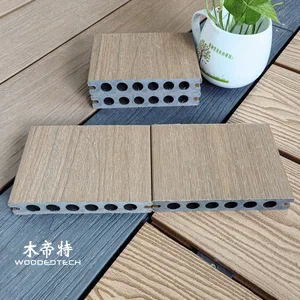 GD13823 Double Sided Flat Surface Co Extruded WPC Decking Features a Popular Width and Thickness with Round Hollow Structure
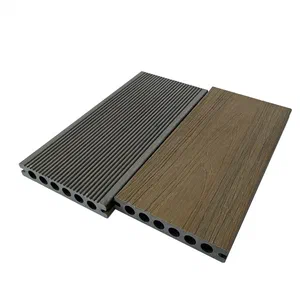 GD14023 Composite Decking Versus Wood Decking Features a Round Hole Structure with Semi Capped Co Extrusion
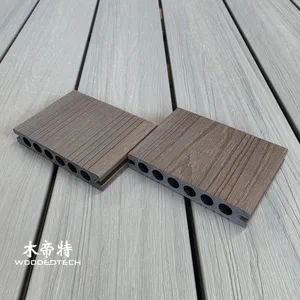 Purple Sandalwood GD13823-3 Co Extruded WPC Outdoor Decks with Round Holes Are Available in Stock in 3 Meter Lengths Year Round