
Composite Decking vs Wood: A B2B Guide to Performance, Costs and Durability
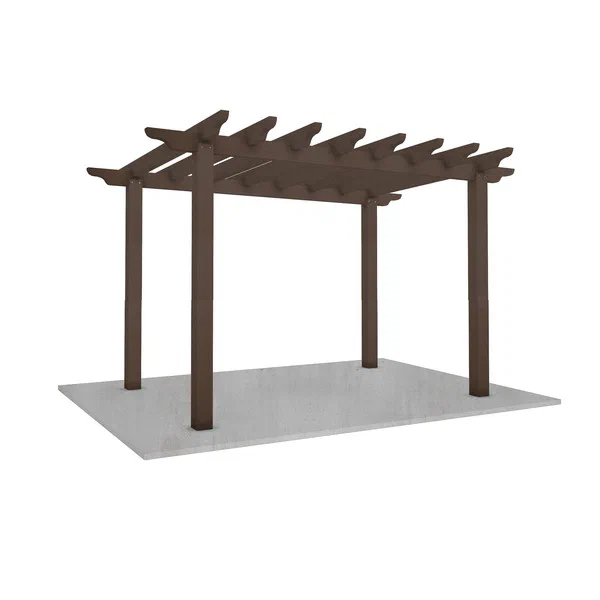
Outdoor composite decking (WPC) is a practical alternative to natural wood for commercial terraces, balconies, pool surrounds, hospitality projects, and other exterior applications. Compared with traditional timber, aluminum, and stone-based materials, WPC offers a balance of weather resistance, design flexibility, and reduced maintenance. For architects, contractors, distributors, and project developers, the right choice depends on initial material costs, expected service life, installation requirements, and long-term maintenance budgets.
1. Composite Decking vs Natural Wood: Key Performance Differences
Natural wood remains popular for outdoor projects because of its authentic grain, warm appearance, and natural texture. Species such as teak, cedar, and ipe are frequently selected for premium residential and commercial decking. However, timber performance varies considerably depending on wood species, treatment, climate, and installation quality.

Outdoor WPC combines wood fibers or wood flour with thermoplastics and performance additives. This creates a manufactured material designed to deliver a wood-like appearance with more consistent dimensions and reduced susceptibility to moisture-related problems.
The main differences include:
- Moisture resistance: WPC generally absorbs less moisture than untreated timber, reducing the risk of swelling, warping, and decay.
- Dimensional stability: Quality composite boards are less prone to cracking, splitting, and seasonal movement than many natural wood products.
- Appearance: Natural wood provides authentic grain variation, while WPC offers consistent colors and repeatable surface textures.
- Insect resistance: Composite materials are generally less vulnerable to termites and wood-boring insects.
- Maintenance: Timber may require regular staining, sealing, or oiling. Most WPC products only need routine cleaning.
Natural timber still has advantages in premium architectural applications where genuine wood characteristics, traditional craftsmanship, and natural aging are important. However, for large outdoor developments, composite decking can provide more predictable performance across extensive installations.
2. Outdoor WPC vs Traditional Timber: Maintenance and Durability
Traditional treated timber is widely used for exterior structures, including decks, walkways, garden platforms, and recreational facilities. Pressure treatment improves resistance to biological deterioration, but it does not eliminate the need for ongoing maintenance.
Exposure to sunlight, rain, temperature fluctuations, and standing water can gradually affect timber. Surface coatings deteriorate over time, while poorly ventilated installations may experience moisture accumulation and decay.
WPC reduces several of these maintenance challenges. Its polymer content helps limit water absorption, while UV stabilizers and other additives can improve resistance to outdoor exposure. Capped composite decking takes this further by incorporating a protective outer layer designed to resist staining, moisture penetration, and surface fading.
Maintenance requirements differ significantly:
| Material | Typical maintenance requirements |
|---|---|
| Natural wood | Cleaning, periodic sealing, staining, or oiling |
| Pressure-treated timber | Cleaning, inspection, and protective coating renewal |
| Uncapped WPC | Regular washing and surface inspection |
| Capped WPC | Periodic washing and inspection of fixings |
| Aluminum decking | Cleaning and inspection of joints and coatings |
WPC is not maintenance-free. Boards still require appropriate installation, drainage, ventilation, and periodic inspection. Surface temperatures, color fading, expansion, and contraction should also be considered when specifying composite decking for demanding environments.
3. Composite Decking vs Aluminum and Other Exterior Materials
Material selection should reflect the functional requirements of the project rather than appearance alone.
Aluminum decking offers excellent resistance to corrosion when manufactured with suitable alloys and protective finishes. It is lightweight, non-combustible, and dimensionally stable, making it suitable for certain commercial and industrial applications. However, its metallic appearance may not suit projects seeking a natural wood aesthetic. It can also become hot under direct sunlight, and its initial material cost may be higher than standard WPC.
Stone and porcelain outdoor tiles provide excellent hardness, scratch resistance, and design variety. They are particularly suitable for high-end terraces and areas requiring a solid architectural finish. Their disadvantages include greater structural loading, potentially higher installation costs, and the risk of cracking under unsuitable substrate or installation conditions.
Concrete decking and paving offer strength and relatively low routine maintenance. However, they provide less flexibility in surface design and can feel visually or physically harsh in recreational environments.
WPC occupies a middle position between these alternatives. It offers a wood-inspired appearance without the maintenance demands of conventional timber, while remaining easier to work with than many heavy exterior materials.
Material suitability depends on product specifications, local building codes, exposure conditions, and project requirements.
4. Initial Cost vs Lifecycle Cost: What Should B2B Buyers Evaluate?
The purchase price per square meter is only one part of the total cost of an outdoor decking project. Commercial buyers should also account for substructures, installation labor, surface treatments, repairs, replacement cycles, and maintenance operations.
Natural wood may have a lower initial purchase price, particularly when using locally available timber. However, premium hardwoods can be expensive, and ongoing protective treatments add recurring costs. In commercial environments with heavy foot traffic, replacement and refinishing can increase operational expenses.
WPC may require a higher initial investment than basic treated timber, but reduced maintenance can improve its long-term cost profile. Capped WPC typically costs more than standard uncapped composite boards, although its protective surface may provide additional benefits in staining and moisture resistance.
Aluminum and porcelain systems can also involve higher initial material or installation costs, depending on the specification and supporting structure.
A practical lifecycle cost assessment should include:
- Initial board or panel purchase price.
- Joists, clips, fasteners, and supporting structures.
- Transportation, handling, and installation labor.
- Annual cleaning and maintenance expenses.
- Expected repair and replacement frequency.
- Disposal or recycling costs at the end of service life.
For developers and contractors managing multiple properties, these costs should be evaluated over a consistent 10-, 15-, or 20-year period. Actual results depend on climate, product quality, usage intensity, and maintenance practices. Avoid relying on generic service-life claims without reviewing product warranties and independent performance documentation.
5. How to Select the Right WPC Decking for Commercial Projects
Not all composite decking products offer the same performance. Differences in raw material composition, manufacturing processes, surface protection, and structural design can significantly affect durability.
When evaluating a wood plastic composite decking supplier, buyers should examine several technical factors:
- Material composition: Check the wood-to-polymer ratio, polymer type, recycled content, and additive package.
- Surface technology: Compare uncapped, fully capped, and co-extruded decking options.
- Load capacity: Review board dimensions, span recommendations, deflection limits, and structural test results.
- Slip resistance: Request relevant wet-condition test data, especially for poolside and public installations.
- UV performance: Evaluate color stability and weathering test results.
- Fire performance: Confirm compliance with applicable project-specific fire regulations.
- Installation system: Check compatible joists, clips, expansion gaps, drainage, and ventilation requirements.
For high-traffic commercial applications, product consistency and manufacturing quality are particularly important. A reliable supplier should provide technical datasheets, installation guidelines, quality inspection records, and clearly defined warranty conditions.
6. Choosing a Material That Performs Over Time
Composite decking is particularly suitable for commercial developments where predictable appearance, reduced maintenance, and resistance to moisture-related deterioration are priorities. Natural timber remains attractive for projects that prioritize authentic wood aesthetics, while aluminum, porcelain, stone, and concrete offer advantages in specialized architectural and structural applications.
For B2B buyers, the most effective specification is one that balances initial investment with maintenance requirements, expected service life, installation conditions, and environmental exposure. Comparing these factors before procurement helps contractors, distributors, and developers select an exterior flooring solution that delivers dependable performance throughout the project’s operational life.
Related Articles
 quality composite decking delivers reliable outdoor flooring solutions with long lasting performance
 Is composite decking worth it for homeowners looking for low maintenance outdoor flooring
 Composite Deck Floor Solutions: Performance Standards and Industrial Applications
 Composite Decking vs Pressure Treated Wood: A B2B Material Comparison
Related Products
 GD13820 M Shape Co Extruded Composite Deck Planks Feature a Special Profile Design for Distinctive Outdoor Decking Applications
 GD13823 Double Sided Flat Surface Co Extruded WPC Decking Features a Popular Width and Thickness with Round Hollow Structure
 The Classic D14025-4 Red Wood WPC Wood Sheet Features a Timeless 2D Flat Wood Grain Design That Remains Popular After Twenty Years