
Composite Decking vs Tiles: A Technical Comparison for Commercial Projects
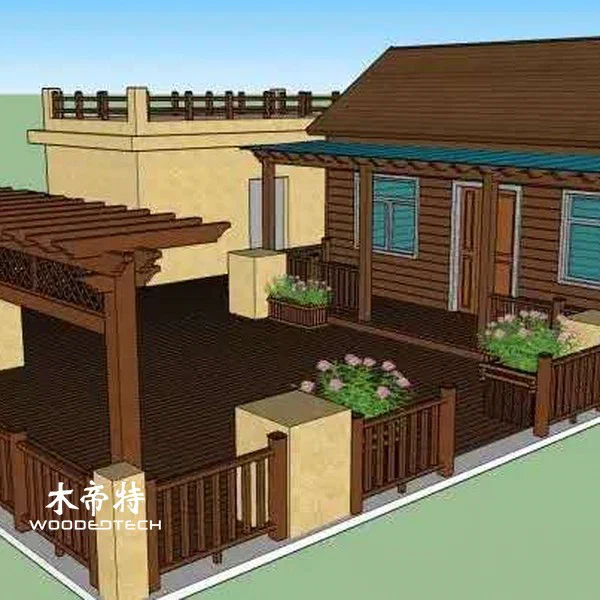
Commercial projects require exterior flooring that can withstand frequent foot traffic, changing weather, and long-term operational demands. Composite decking and outdoor tiles are two practical options, but they differ in structural performance, installation requirements, maintenance, and lifecycle costs. Choosing between them requires looking beyond initial material prices to consider the entire service life of the installation.
1. Material Composition and Structural Differences
Composite decking, commonly known as wood plastic composite (WPC) decking, combines wood fibers or wood flour with thermoplastic polymers and additives. The resulting boards offer a wood-like appearance with improved resistance to moisture, insects, and weathering compared with untreated natural timber. Commercial-grade products may also feature protective co-extruded caps that improve surface durability, UV resistance, and stain resistance.
Outdoor tiles are available in several materials, including porcelain, ceramic, natural stone, concrete, and composite. Porcelain tiles are widely used in commercial exterior spaces because of their low water absorption, high surface hardness, and resistance to temperature changes. Natural stone offers a distinctive architectural appearance, while concrete tiles provide a practical option for large paved areas.
The main structural difference lies in how these materials are installed. Composite decking typically uses a supporting joist system with mechanical clips or concealed fasteners. Tiles are generally installed over a prepared concrete slab, mortar bed, pedestal system, or specialized outdoor support structure. This distinction affects drainage, substrate preparation, load distribution, and future maintenance.
2. Performance Under Commercial Conditions
Commercial exterior flooring must perform consistently under heavy pedestrian traffic, furniture movement, rain, sunlight, and seasonal temperature fluctuations.
Composite decking offers several practical advantages in outdoor environments:
- Moisture resistance: Quality WPC decking absorbs less water than traditional timber, reducing the risk of rot and insect damage.
- Slip resistance: Textured surfaces can provide reliable grip, although actual performance depends on the surface profile and wet-condition testing.
- Comfort: Composite boards generally provide a warmer, less rigid walking surface than stone or porcelain.
- Installation flexibility: Raised decking systems can accommodate uneven substrates, service access, and concealed drainage arrangements.
- Design consistency: Manufacturers offer multiple colors, grain patterns, board profiles, and dimensions.
Porcelain tiles provide excellent surface hardness, scratch resistance, and color stability. They are particularly suitable for spaces where a rigid, easy-to-clean surface is preferred. However, polished or unsuitable tile finishes can become slippery when wet. Commercial specifications should prioritize appropriate slip-resistance ratings rather than appearance alone.
Natural stone and concrete tiles can withstand substantial loads when correctly specified and supported. Their disadvantages may include higher weight, surface staining, efflorescence, and greater maintenance requirements depending on the material.
Neither composite decking nor tiles should be selected solely on the basis of advertised durability. Project teams should verify load capacity, slip resistance, dimensional stability, fire performance, and suitability for the intended installation environment.
3. Installation Requirements and Project Complexity
Installation costs can significantly change the financial comparison between composite decking and outdoor tiles.
WPC decking requires a properly designed substructure, appropriate joist spacing, expansion allowances, drainage provisions, and compatible fixing systems. Although the installation process is relatively straightforward for experienced contractors, poor substructure design can cause board movement, sagging, or premature failure.
For commercial applications, the supporting frame must be engineered according to anticipated pedestrian loads, concentrated loads, and local building requirements. Aluminum or treated structural supports may be suitable depending on the project conditions and manufacturer specifications.
Outdoor tiles require a stable and properly prepared supporting surface. Conventional bonded installations depend on substrate flatness, adhesive compatibility, movement joints, and effective waterproofing where necessary. Pedestal-supported porcelain tiles can simplify drainage and provide access to concealed services, although they require suitable structural support and edge restraint.
In renovation projects, raised composite decking may be advantageous when an existing surface is uneven or requires service access. Conversely, tiles may be more practical when a sound concrete slab is already available and the project requires a continuous, rigid finish.
4. Maintenance Requirements and Long-Term Durability
Maintenance is one of the most important considerations when evaluating commercial exterior materials. Cleaning frequency, repair accessibility, and resistance to environmental exposure all influence operating costs.
Composite decking generally requires periodic sweeping and washing with water and a suitable cleaning solution. Food spills, grease, and organic debris should be removed promptly, particularly in restaurants, hotels, and hospitality areas. Unlike natural timber, most WPC products do not require routine staining, painting, or protective oiling.
However, composite decking is not completely maintenance-free. Boards can experience surface fading, staining, thermal expansion, or mechanical damage. Lower-quality products may also develop surface deterioration or structural problems after prolonged exposure to sunlight and moisture.
Porcelain tiles require relatively little routine maintenance because their dense surfaces resist water absorption and many common stains. Grout joints, however, may need periodic cleaning, inspection, or replacement. Individual tiles can also crack under impact or substrate movement.
Natural stone may require sealing and specialized cleaning, depending on its porosity and finish. Concrete tiles can develop staining, surface wear, and efflorescence over time.
For commercial facilities, maintenance planning should include inspection intervals, cleaning procedures, spare material availability, and access to replacement components. These measures help prevent minor defects from becoming expensive operational problems.
5. Lifecycle Cost Comparison
Comparing material prices alone can produce misleading purchasing decisions. A more accurate assessment considers material procurement, installation, maintenance, repairs, replacement frequency, and expected service life.
| Cost factor | Composite decking | Porcelain tiles | Natural stone |
|---|---|---|---|
| Initial material cost | Medium to high | Medium to high | High |
| Installation complexity | Medium | Medium to high | High |
| Routine maintenance | Low | Low to medium | Medium to high |
| Moisture resistance | High for quality products | Very high | Material-dependent |
| Repair approach | Individual board replacement | Individual tile replacement | Individual stone replacement |
| Long-term considerations | UV exposure and board movement | Grout and substrate condition | Sealing and surface deterioration |
WPC decking may involve a higher initial investment than basic concrete paving, particularly when a complete supporting structure is required. However, reduced painting, sealing, and timber treatment expenses can improve its long-term financial performance.
Porcelain tiles may offer a competitive lifecycle cost when installed over an existing suitable slab. Their low routine maintenance requirements are particularly attractive for commercial walkways, terraces, and public spaces.

A reliable lifecycle cost calculation should use the same evaluation period for all materials. It should also account for local labor rates, climate conditions, cleaning costs, expected replacement intervals, and the financial impact of closing an area for repairs.
6. Choosing the Right Material for Different Commercial Applications
The best flooring material depends on the intended use, architectural concept, environmental exposure, and maintenance strategy.
Composite decking is particularly suitable for hotel terraces, restaurant patios, rooftop leisure areas, swimming pool surroundings, garden walkways, and commercial outdoor seating spaces. Its natural wood appearance and relatively low maintenance requirements make it attractive for projects seeking a warm, contemporary exterior design.
Porcelain tiles are often preferable for shopping centers, public plazas, commercial entrances, outdoor dining areas, and spaces requiring a hard, uniform surface. Their resistance to staining and surface wear makes them practical for high-traffic applications when the correct commercial-grade specification is selected.
Natural stone is appropriate for premium landscaping, hospitality developments, and architectural projects where authentic material variation is an important design feature. However, its weight, installation requirements, and maintenance needs should be considered during early project planning.
Some commercial developments can benefit from combining materials rather than selecting only one. For example, porcelain tiles can be used in entrances and service zones, while composite decking creates a warmer finish around outdoor lounges and landscaped terraces. This approach allows architects to match material performance to the functional requirements of each area.
For procurement teams and developers, supplier evaluation should include technical datasheets, independent test reports, installation guidelines, warranty conditions, and product consistency across production batches. WPC products should be assessed for polymer composition, wood-fiber content, density, water absorption, dimensional stability, UV resistance, and relevant fire-performance requirements. Tile specifications should address water absorption, breaking strength, abrasion resistance, slip resistance, and frost suitability where applicable.
A successful commercial flooring specification balances appearance, structural performance, installation conditions, and long-term operating expenses. Composite decking is a strong choice when design flexibility, a natural wood aesthetic, and reduced timber maintenance are priorities. Outdoor tiles remain highly competitive where surface hardness, dimensional stability, and easy cleaning are essential. Evaluating both materials against actual site conditions and whole-life costs gives architects, contractors, and developers a more reliable basis for selecting exterior flooring.
Related Articles
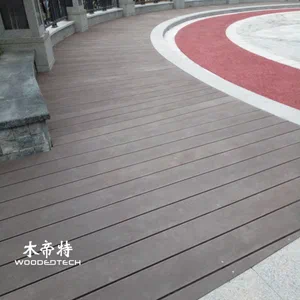 Composite Decking vs Pressure Treated Wood: A B2B Material Comparison
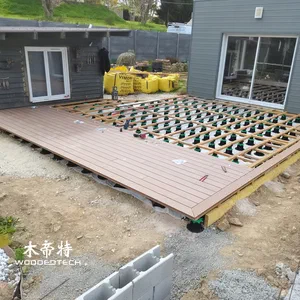 Composite for Decking: Material Selection, Performance, and Industry Applications
 Evaluating Composite Decking Affordable Options for Large-Scale Commercial Projects
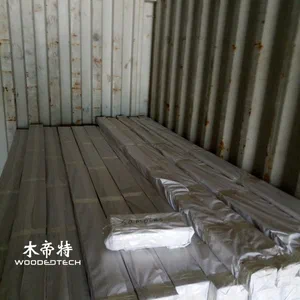 Composite Floor Decks: Industrial Applications, Benefits, and Selection Criteria
Related Products
 GD13820 M Shape Co Extruded Composite Deck Planks Feature a Special Profile Design for Distinctive Outdoor Decking Applications
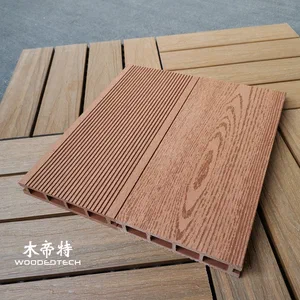 The Classic D14025-4 Red Wood WPC Wood Sheet Features a Timeless 2D Flat Wood Grain Design That Remains Popular After Twenty Years
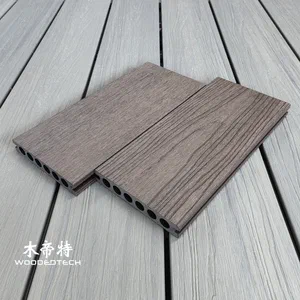 3DGD13823 Second Generation 3D Embossed Rosewood Composite Balcony Decking Delivers Ultra Realistic Wood Grain Texture and a Premium Natural Wood Experience