
Composite Decking vs Pressure Treated Wood: A B2B Material Comparison
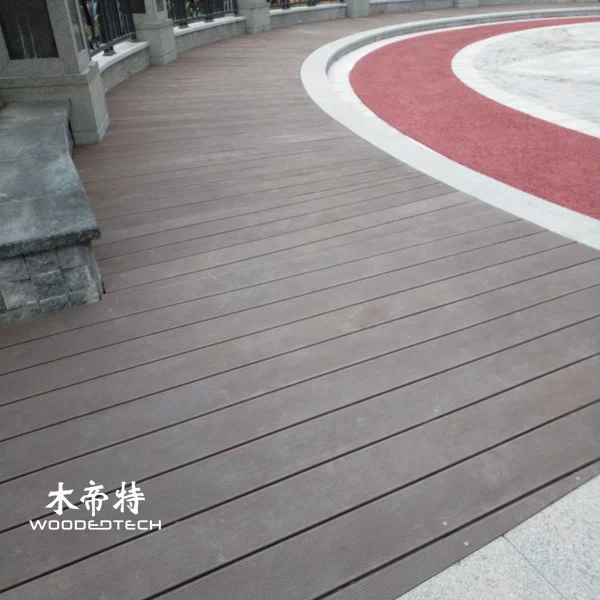
Composite decking and pressure-treated wood are two widely specified options for outdoor decks, commercial terraces, balconies, and landscaping projects. While pressure-treated wood offers a lower initial purchase price and a familiar natural appearance, composite decking provides more consistent performance, reduced maintenance, and potentially lower lifecycle costs. For contractors, distributors, developers, and procurement teams, the right choice depends on climate exposure, project lifespan, installation requirements, and long-term operating budgets.
Material Composition and Performance Differences
Composite decking, commonly made from wood fibers and thermoplastic polymers such as polyethylene or polypropylene, combines the appearance of timber with improved resistance to moisture and biological deterioration. Some products also include UV stabilizers, coupling agents, and protective outer layers. Capped composite decking adds a polymer shell designed to improve resistance to staining, fading, and moisture penetration.
Pressure-treated wood is natural timber impregnated with chemical preservatives to protect against fungal decay, termites, and other wood-damaging organisms. Common species include southern yellow pine and other readily available softwoods. Its performance depends on the treatment process, preservative formulation, retention level, timber grade, and suitability for the intended exposure.
The main distinction is that pressure treatment improves wood durability but does not make timber maintenance-free or completely waterproof. Composite decking generally offers more predictable moisture resistance, although its performance still varies by formulation, manufacturing quality, and installation conditions.
Advantages and Disadvantages of Each Material
Composite decking is particularly attractive for commercial projects where appearance consistency and reduced maintenance are important. It does not require routine staining or sealing, resists splintering, and is less vulnerable to insect damage than untreated timber. Its manufactured composition also allows suppliers to offer consistent board dimensions, multiple colors, embossed wood-grain textures, and different surface finishes.
However, composite decking typically has a higher initial material cost. It can expand and contract with temperature changes, and some lower-grade products may experience fading, surface deterioration, or excessive heat retention. Boards can also be damaged by heavy impacts or inappropriate installation methods. Fire performance should be checked against the applicable project requirements rather than assumed from the material category.
Pressure-treated wood remains competitive because of its affordability, availability, and familiar installation methods. It can be cut, drilled, and adjusted using conventional woodworking tools. Its natural grain also appeals to buyers who prefer authentic timber rather than a manufactured wood appearance.
Its disadvantages become more apparent during extended outdoor use. Timber can crack, warp, splinter, fade, and develop surface discoloration. Even properly treated boards require periodic inspection, cleaning, and protective maintenance. Moisture exposure, poor ventilation, and inadequate drainage can accelerate deterioration.
| Evaluation factor | Composite decking | Pressure-treated wood |
|---|---|---|
| Initial material cost | Higher | Lower |
| Moisture resistance | Generally high | Treatment-dependent |
| Insect resistance | Generally high | Improved by treatment |
| Splintering | Low | Possible |
| Color consistency | Relatively consistent | Natural variation |
| Routine sealing | Usually unnecessary | Often required |
| Structural behavior | Depends on profile and support spacing | Depends on species and grade |
| Maintenance frequency | Relatively low | Relatively high |
| Long-term appearance | Generally stable with quality products | Requires ongoing care |
Maintenance Requirements and Operating Costs
Maintenance is one of the most important differences when evaluating outdoor decking for hotels, resorts, residential developments, commercial buildings, and public facilities.
Composite decking generally requires periodic washing with water and a suitable cleaning solution to remove dirt, pollen, food residue, and environmental deposits. Buyers should follow the manufacturer’s cleaning instructions, particularly for capped surfaces. Boards should also be inspected for loose fasteners, damaged clips, inadequate drainage, and debris accumulation between gaps.
Pressure-treated wood requires a more involved maintenance schedule. Cleaning should be combined with inspections for surface cracks, loose fasteners, fungal growth, and signs of moisture damage. Depending on the product, climate, and exposure, owners may need to apply a suitable water-repellent treatment, stain, or protective coating periodically.
For commercial property managers, maintenance costs include more than the price of cleaning products. Labor, access equipment, temporary closures, replacement boards, and disruption to business operations can all affect the total ownership budget.
A lower-priced timber installation may therefore become more expensive over time, particularly in high-traffic or moisture-exposed environments. Composite decking can reduce recurring maintenance expenditure, although it still requires inspection and occasional component replacement.
Lifecycle Cost Comparison for B2B Projects
Initial purchase price alone is an incomplete basis for material selection. A more reliable procurement assessment considers the complete lifecycle cost, including materials, installation, maintenance, repairs, replacement, and disposal.
For example, pressure-treated wood may offer a substantial upfront saving on a large residential development. However, repeated staining, sealing, board replacement, and maintenance labor can gradually reduce that advantage.
Composite decking requires a higher initial investment but can deliver savings through reduced maintenance requirements and longer service life when properly specified and installed. The financial benefit is particularly relevant to commercial developments with extensive outdoor areas.
A practical lifecycle cost assessment should include:
- Material purchase price per square meter.
- Subframe, joist, fastening, and installation costs.
- Cleaning and protective treatment expenses.
- Expected repair and replacement frequency.
- Labor costs throughout the ownership period.
- Product warranty conditions and expected service life.
Buyers should request realistic service-life assumptions and documented warranty exclusions from suppliers. A warranty period should not automatically be treated as the expected lifespan of the installation.
Comparing Composite Decking with Aluminum and Other Exterior Materials
Pressure-treated timber is not the only alternative to composite decking. Aluminum, hardwood, PVC decking, and concrete-based exterior surfaces also serve different project requirements.
Aluminum decking offers excellent resistance to rot, insects, and corrosion when manufactured with an appropriate protective finish. It is lightweight, dimensionally stable, and suitable for certain demanding commercial environments. However, it generally costs more, can become hot under direct sunlight, and lacks the natural timber appearance preferred in many landscape designs.
Natural hardwoods such as teak and ipe offer distinctive grain patterns, high natural durability, and premium visual appeal. Their disadvantages include higher procurement costs, sourcing considerations, and the need for periodic maintenance to preserve their appearance. Availability and responsible sourcing documentation may also influence international purchasing decisions.
PVC decking provides strong moisture resistance and does not contain wood fibers. It is suitable for applications where water exposure is a major concern, although product appearance, thermal movement, surface feel, and structural characteristics vary between manufacturers.

Concrete pavers and porcelain outdoor tiles are practical alternatives for ground-level patios and landscaped public areas. They provide durable walking surfaces but require appropriate foundations, drainage, and installation detailing. They also do not offer the same lightweight elevated-decking flexibility as board-based systems.
The most appropriate material depends on the project’s structural design, appearance requirements, environmental conditions, and budget rather than a universal ranking of material quality.
Procurement Considerations for International Buyers
For importers, wholesalers, contractors, and project developers, supplier evaluation is just as important as material selection. Composite decking specifications should clearly identify the polymer type, wood-fiber content, board dimensions, profile construction, surface treatment, and installation requirements.
Buyers should also request test reports covering relevant mechanical properties, water absorption, dimensional stability, slip resistance, UV weathering, and fire performance where required by local regulations.
For pressure-treated timber, procurement documents should specify the wood species, preservative system, treatment retention, moisture content, treatment standard, and intended application. These details help prevent inconsistent product quality across different shipments.
Composite decking should also be evaluated as a complete installation system. Matching joists, clips, edge trims, fascia boards, and compatible fasteners help reduce installation problems and improve finished project quality.
A reliable supplier should provide technical datasheets, installation manuals, representative samples, packaging specifications, and consistent production quality. For large-volume orders, buyers should confirm batch consistency and agree on inspection procedures before shipment.
Selecting the Right Material for Long-Term Value
Pressure-treated wood remains a sensible option for projects with limited upfront budgets, straightforward construction requirements, and manageable maintenance schedules. Composite decking is often a stronger commercial choice when reduced maintenance, consistent appearance, and resistance to everyday outdoor exposure are higher priorities.
For B2B buyers, the best decision comes from comparing verified product specifications and calculating total ownership costs under actual project conditions. Selecting a suitable composite formulation, matching the installation system, and working with a manufacturer capable of maintaining consistent quality can make a significant difference to long-term performance.
Related Articles
 Evaluating Composite Wood Decking Cost for Large-Scale Commercial Procurement
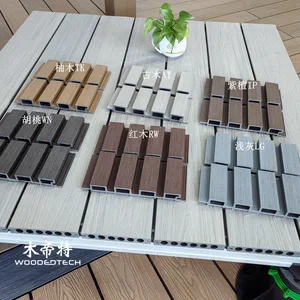 Composite Decking vs Wood Decking: A Commercial Buyer’s Guide to Performance and Cost
 Composite Decking vs Tiles: A Technical Comparison for Commercial Projects
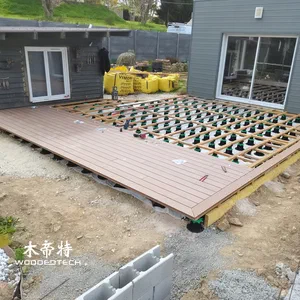 Composite for Decking: Material Selection, Performance, and Industry Applications
Related Products
 GD13820 M Shape Co Extruded Composite Deck Planks Feature a Special Profile Design for Distinctive Outdoor Decking Applications
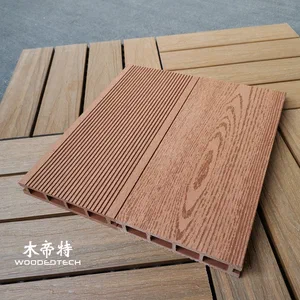 The Classic D14025-4 Red Wood WPC Wood Sheet Features a Timeless 2D Flat Wood Grain Design That Remains Popular After Twenty Years
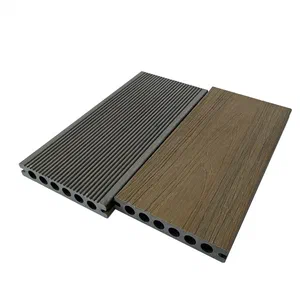 GD14023 Composite Decking Versus Wood Decking Features a Round Hole Structure with Semi Capped Co Extrusion