Composite Decking vs Concrete: 2026 Industrial Material Analysis
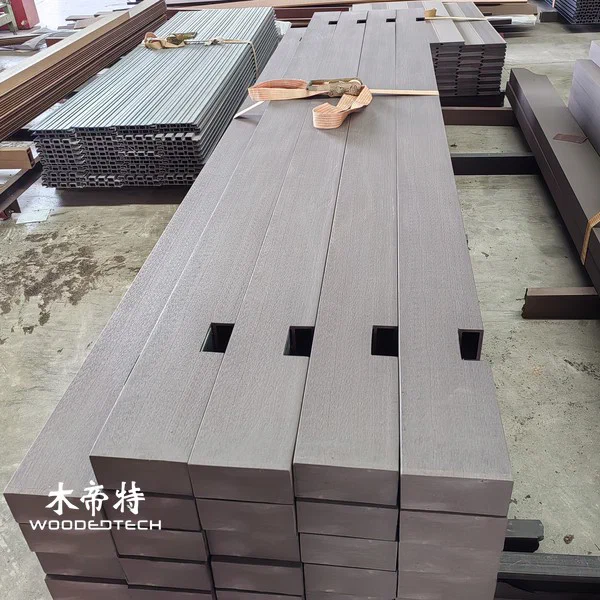
Outdoor composite decking and concrete represent two very different approaches to exterior construction. This 2026 material analysis compares wood plastic composite decking with concrete surfaces in durability, maintenance, installation, and lifecycle value for commercial and residential outdoor projects.
Material Performance and Design Flexibility
Composite decking is engineered from wood fibers and recycled polymers, creating a surface that combines a natural appearance with improved resistance to moisture, insects, and weather exposure. Modern wood plastic composite decking products often include protective layers, embossed textures, and UV-resistant finishes that provide a wood-like appearance without the intensive care required by traditional timber.
Concrete remains one of the most widely used exterior materials because of its strength, load-bearing capacity, and long service history. It performs well in driveways, foundations, industrial yards, and high-traffic areas. However, standard concrete offers limited design flexibility after installation and can develop cracks caused by ground movement, temperature changes, or improper preparation.
Compared with natural wood, outdoor WPC decking avoids common issues such as rotting, splintering, warping, and frequent sealing. Aluminum provides excellent corrosion resistance and a long lifespan, but it generally has a more industrial appearance and may become hot under direct sunlight. WPC offers a balance between appearance, comfort, and functional performance.
Maintenance Requirements and Long-Term Costs

Maintenance is a key factor when evaluating exterior materials. Concrete typically requires less routine care than wood, but repairs can be expensive when cracking, staining, or surface damage occurs. Resurfacing and sealing may be needed to maintain appearance and extend service life.
Composite decking requires basic cleaning with water and mild detergent, while high-quality capped composite decking provides additional protection against stains, moisture penetration, and fading. Unlike timber, it does not require regular painting, staining, or waterproof treatments.
Lifecycle cost analysis shows that initial concrete installation may appear economical for large areas, but factors such as repair work, surface treatments, demolition difficulty, and design limitations influence total ownership costs. Composite decking may have a higher upfront price than basic concrete, but reduced maintenance and longer aesthetic performance can improve value over the service period.
Choosing the Right Exterior Material for Projects
For commercial landscapes, hospitality spaces, balconies, terraces, and outdoor living areas, composite decking provides advantages in comfort, appearance, and installation flexibility. It can be combined with composite railing, lighting systems, and modular designs to create customized outdoor environments.
Concrete remains suitable for structural applications and locations requiring extreme load capacity. However, when the project goal is a warm, decorative, low-maintenance outdoor surface, composite decking is increasingly selected as an alternative to traditional hardscape materials.
Material selection should consider climate conditions, expected foot traffic, maintenance budgets, installation requirements, and the desired visual style. A complete lifecycle evaluation helps architects, contractors, and developers choose the most practical solution for long-term performance.
FAQ
Q: Is composite decking more expensive than concrete? A: Composite decking usually has a higher initial material cost, but lower maintenance needs can reduce long-term expenses compared with repaired or refinished concrete surfaces.
Q: Which material lasts longer outdoors, composite decking or concrete? A: Both materials can provide long service lives when properly installed. Concrete offers superior structural strength, while composite decking provides better resistance to moisture-related surface damage.
Q: Can composite decking replace concrete in all outdoor applications? A: No. Composite decking is ideal for decorative and pedestrian areas, while concrete remains necessary for foundations, heavy-duty surfaces, and structural applications.
Related Articles

Related Products
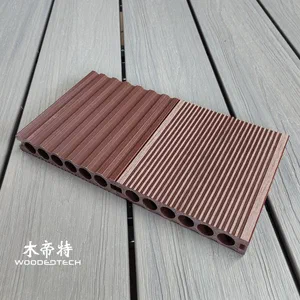 140-25 Double Wave Round Hole E Red Sandalwood Color Wood Polymer Decking Board With Affordable Price For Budget Engineering Projects
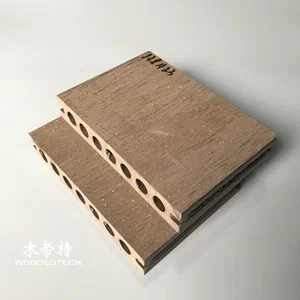 D13823 Round Hole Double Sided Flat WPC Bamboo Decking Boards With Strong Quality And Various Wood Grain Surface Treatments
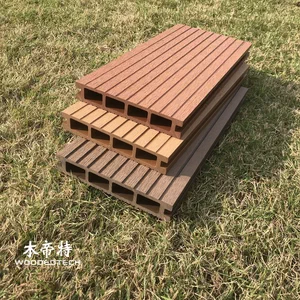 D14025-3 Square Hole Double Sided Grooved WPC Board Factory Producing Outdoor Decking Boards With Good Slip Resistance