
Composite decking spacing guidelines ensure proper installation and long term outdoor performance
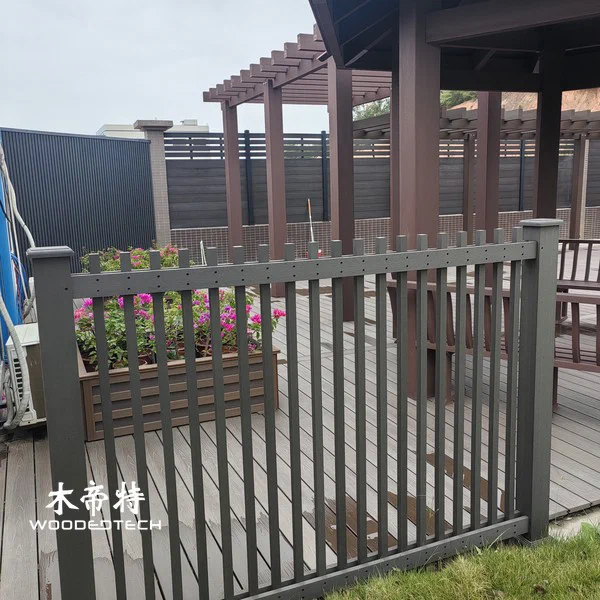
Composite decking spacing guidelines are essential for a clean install, proper drainage, and long-term outdoor durability. The same spacing principles also apply to WPC wall cladding, where ventilation and movement allowance protect the finish and substructure.
Prepare the subframe first
Start with a level, stable subframe. For decking, use corrosion-resistant joists or aluminum framing with correct centers based on board thickness and span requirements. For wall cladding, the battens must be straight, dry, and fixed securely to a sound wall or metal frame, with room for airflow behind the panels.
Check moisture, slope, and layout before you fix anything. Outdoor decking should have a slight fall for drainage, while wall cladding needs a flat, aligned frame so the boards sit true and joints stay consistent.
Keep the correct gaps
WPC expands and contracts with temperature, so spacing is not optional. Leave side gaps between boards as specified by the product supplier, and always allow extra movement at ends, corners, and around fixed objects. If the boards are installed too tightly, buckling and surface stress can appear later.
At walls, keep a uniform gap between cladding boards and around trims, corners, and starter profiles. Also leave a ventilation gap behind the system so trapped heat and moisture do not damage the structure.
Fix boards with the right method
Use hidden clips where the profile is designed for them, as they give a cleaner finish and allow controlled movement. For square-edge decking or cladding, stainless steel screws can be used through pre-drilled holes to reduce splitting and improve alignment. Never overdrive fasteners, because a board that cannot move naturally will fail faster in outdoor conditions.
Follow the recommended fixing sequence from one side to the other, checking straightness as you go. Use spacers consistently so every board maintains the same reveal and the final surface looks professional.
Cut, finish, and detail carefully
Use a fine-tooth blade for clean cuts on WPC boards. Support the board fully before cutting, measure twice, and seal or cap exposed ends where the product system requires it. Around posts, doors, and edges, leave movement clearance and finish with matching trims to keep water out and improve appearance.
If you are installing both decking and wall cladding on the same project, keep the lines aligned visually. A neat edge detail makes the whole outdoor space look intentional, not patched together.
Maintenance tips for long service life

WPC is low maintenance, but not maintenance free. Sweep regularly, wash with mild soap and water, and remove leaves, mud, and standing water so stains do not build up. Avoid harsh solvents, pressure washing at close range, and metal tools that can mark the surface.
Inspect clips, screws, and movement gaps once or twice a year, especially after extreme weather. Small adjustments early will help the decking and cladding stay stable, attractive, and safe for years.
FAQ
Q: How much spacing should I leave between composite decking boards? A: Follow the supplier’s installation guide, since spacing varies by board profile, climate, and fixing system. The gap must allow drainage and thermal movement without creating visible unevenness.
Q: Can WPC wall cladding be fixed directly to a wall? A: It should be fixed to battens or a proper support frame, not directly to the wall surface. This creates ventilation and gives the cladding space to move.
Q: Do I need special tools to cut WPC boards? A: A fine-tooth circular saw or miter saw works well for most WPC products. Clean, supported cuts help reduce chipping and keep the finish neat.
Related Articles
 Composite decking 3.6 m lengths support efficient installation for large outdoor decking projects
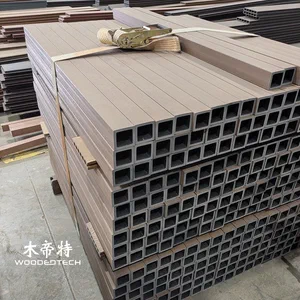 Composite decking instructions help installers complete outdoor flooring projects correctly
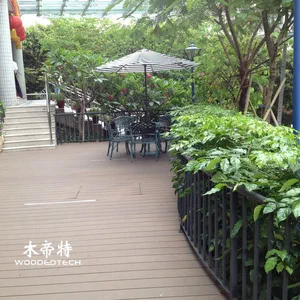 labor cost to install composite decking varies based on project size design and installation conditions
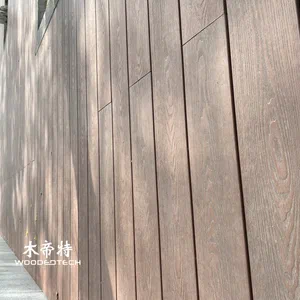 How to put plastic decking down with simple installation methods for outdoor applications
Related Products
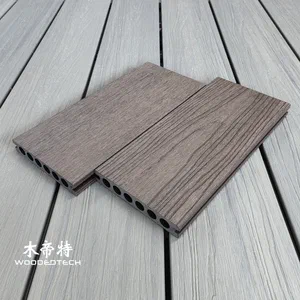 3DGD13823 Second Generation 3D Embossed Rosewood Composite Balcony Decking Delivers Ultra Realistic Wood Grain Texture and a Premium Natural Wood Experience
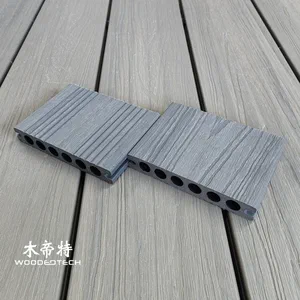 GD13823-3 Light Grey Premium Co Extrusion WPC Composite Decking Offers LG Texture and Excellent UV Resistance for Outdoor Spaces
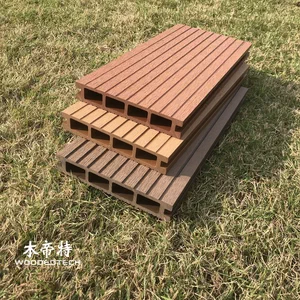 D14025-3 Square Hole Double Sided Grooved WPC Board Factory Producing Outdoor Decking Boards With Good Slip Resistance