
Composite Decking Sales: Strategies for B2B Market Growth in 2026
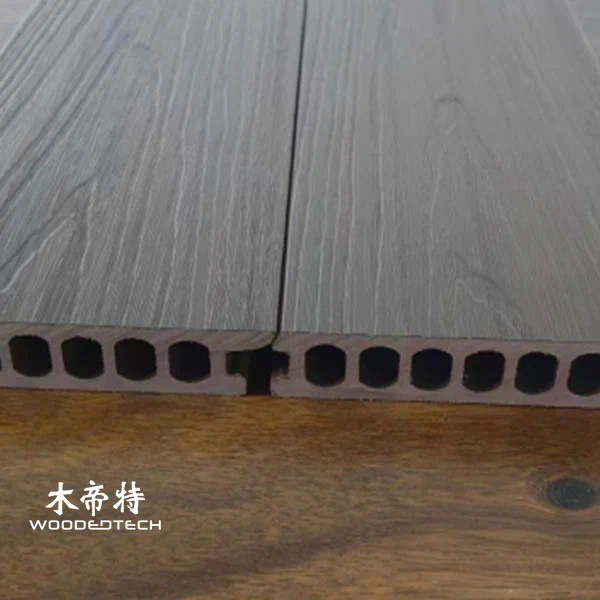
Composite decking sales in 2026 will depend on more than competitive pricing and product availability. For manufacturers, wholesalers, distributors, and building material importers, sustainable growth requires a clear market position, reliable product quality, strong distribution partnerships, and effective B2B marketing. As demand for low-maintenance outdoor building materials continues to develop, suppliers that combine manufacturing capabilities with buyer-focused sales strategies will be better positioned to win international projects.
1. Identify High-Potential Markets and Buyer Segments

The first step in growing composite decking sales is identifying markets with strong demand for outdoor construction materials. North America, Europe, Australia, and parts of the Middle East offer opportunities for WPC manufacturers, although buyer expectations, climate conditions, regulations, and purchasing preferences differ by region.
Instead of targeting every market with the same sales approach, manufacturers should segment potential customers into specific groups:
- Importers and wholesalers looking for competitive bulk purchasing prices.
- Building material distributors seeking reliable long-term suppliers.
- Outdoor construction contractors purchasing materials for residential and commercial projects.
- Decking retailers looking for attractive product ranges and consistent inventory.
- Private-label brands interested in OEM production and customized packaging.
Each segment has different purchasing priorities. Importers may focus on container loading efficiency, wholesale pricing, and delivery schedules, while contractors are more concerned with installation systems, product durability, and technical support.
Market research should also examine local competitors, popular composite decking colors, preferred board dimensions, and seasonal purchasing patterns. This information helps manufacturers develop product ranges that match actual market demand rather than relying on assumptions.
2. Differentiate Products Through Quality and Innovation
Price competition remains a major challenge in international composite decking sales. However, competing exclusively on price can reduce profit margins and make it difficult to establish long-term customer relationships.
A more effective strategy is to communicate measurable product advantages. Buyers need clear information about material composition, manufacturing processes, surface treatments, structural performance, and expected service conditions.
For example, capped composite decking uses a protective outer layer designed to improve resistance to moisture, staining, and everyday wear. Co-extrusion decking offers another option, combining a protective polymer surface with a WPC core to meet different performance and appearance requirements.
Manufacturers can strengthen their product positioning by offering:
- Solid and hollow composite decking boards for different project requirements.
- Co-extrusion and uncapped WPC decking options.
- Natural wood-grain textures and contemporary color selections.
- Slip-resistant surface designs for outdoor applications.
- UV-resistant formulations for demanding climates.
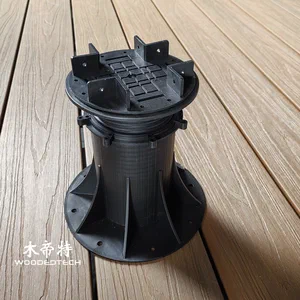
- Matching decking accessories, including joists, clips, fascia boards, and railing systems.
Product consistency is equally important. International buyers expect stable dimensions, reliable color matching, and consistent production quality across repeat orders.
Providing technical data sheets, product samples, installation instructions, and quality inspection reports makes it easier for distributors to evaluate products and build confidence before placing bulk orders.
3. Strengthen B2B Digital Marketing and SEO
International buyers increasingly research suppliers online before contacting a manufacturer. A professional website is therefore an important sales channel, not simply a digital product catalog.
For manufacturers targeting overseas markets, SEO content should address the practical questions buyers ask when comparing suppliers. Relevant keywords include composite decking sales, wholesale composite decking, wood plastic composite decking manufacturer, WPC decking boards, and OEM wood plastic composite supplier.
However, inserting keywords without useful information will not create sustainable search visibility. Each page should provide specific value, such as product specifications, manufacturing capabilities, application examples, or purchasing guidance.
A strong B2B website should include several essential elements:
- Detailed product pages with dimensions, colors, profiles, and technical specifications.
- Factory photographs and manufacturing process information.
- Real project references showing completed outdoor applications.
- Downloadable catalogs, installation guides, and technical documents.
- Clear OEM, private-label, and customization information.
- Accessible inquiry forms and direct contact details.
Manufacturers should also publish educational content addressing topics such as capped versus uncapped composite decking, WPC versus traditional timber, decking installation requirements, and material selection for different climates.
This content attracts buyers during the research stage and demonstrates practical industry knowledge. Consistent publishing, clear website navigation, and relevant internal links can also help search engines understand the company’s product expertise.
4. Develop Reliable Distributor and OEM Partnerships
Long-term B2B growth rarely comes from individual orders alone. Building a stable international distribution network allows manufacturers to increase sales volume while reducing dependence on occasional inquiries.
A practical approach is to identify distributors with established relationships in construction, landscaping, and outdoor building materials. Rather than offering the same commercial terms to every potential partner, manufacturers should develop cooperation plans based on order volume, market coverage, and sales capabilities.
Useful partnership support includes:
- Competitive wholesale and volume-based pricing.
- Stable production capacity and predictable lead times.
- Flexible packaging and private-label services.
- Product samples and showroom display materials.
- Marketing images, catalogs, and technical documentation.
- Responsive communication and after-sales assistance.
OEM and private-label production can provide additional opportunities. Distributors may want customized board colors, surface textures, packaging, or product specifications that distinguish their brands from competing suppliers.
Manufacturers with established extrusion capabilities and product development experience can use these services to build stronger commercial relationships and encourage repeat purchasing.
5. Improve Pricing, Production Efficiency, and Supply Chain Reliability
Competitive pricing is essential, but international buyers evaluate the total purchasing cost rather than the factory quotation alone.
When preparing composite decking quotations, manufacturers should consider raw material costs, production efficiency, packaging, container loading, shipping arrangements, and applicable export requirements.
A transparent quotation should clearly identify:
- Product model and board dimensions.
- Material composition and surface treatment.
- Unit price and minimum order quantity.
- Packaging specifications.
- Production lead time.
- Available trade terms and shipping arrangements.
- Sample availability and quality inspection procedures.
Manufacturing efficiency also has a direct impact on sales competitiveness. Better control of raw material ratios, extrusion temperatures, cooling processes, and dimensional tolerances helps reduce production defects and maintain consistent quality.
Inventory planning is another important factor. Maintaining suitable stock of popular colors and standard profiles can help manufacturers respond quickly to urgent distributor orders, while production scheduling should accommodate customized products without disrupting regular shipments.
Reliable delivery is particularly important for overseas buyers managing construction schedules and warehouse inventory. A supplier that communicates clearly about production progress and shipping arrangements can become a more valuable long-term partner than one offering only the lowest price.
6. Use Samples, Trade Shows, and Project References to Convert Buyers
Digital marketing generates inquiries, but product evaluation and commercial communication often determine whether an inquiry becomes an order.
Composite decking is a physical building material. Buyers need to assess its appearance, surface texture, structural characteristics, and workmanship before committing to significant purchasing volumes.
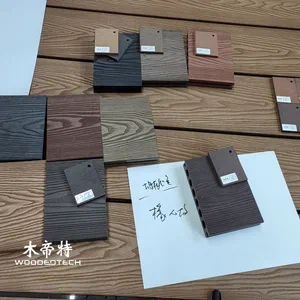
Sending product samples is an effective way to shorten the evaluation process. Manufacturers should provide representative samples of different colors, profiles, and surface treatments, together with relevant technical specifications.
International building material exhibitions also remain valuable for developing distributor relationships and meeting potential project buyers. Events focused on construction, landscaping, architecture, and outdoor living provide opportunities to demonstrate products and discuss market requirements directly.
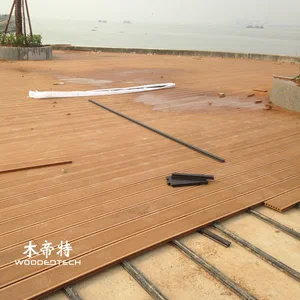
Project references can further strengthen credibility. Photographs of completed residential decks, commercial outdoor spaces, swimming pool surrounds, and public landscaping projects help buyers understand how products perform in practical applications.
Sales teams should maintain a structured follow-up process after every inquiry, sample request, and exhibition meeting. Recording buyer requirements, quotation history, sample feedback, and expected purchasing schedules makes communication more efficient and helps identify serious business opportunities.
Building Sustainable Composite Decking Sales Growth in 2026
Successful composite decking sales growth in 2026 will come from combining product differentiation, targeted international marketing, dependable manufacturing, and strong customer relationships. Manufacturers that understand regional buyer requirements and provide consistent technical and commercial support can compete on more than price. By developing wholesale distribution networks, expanding OEM capabilities, improving production efficiency, and investing in useful SEO content, WPC suppliers can create a stronger foundation for long-term international business growth.
Related Articles

Related Products
 GD13820 M Shape Co Extruded Composite Deck Planks Feature a Special Profile Design for Distinctive Outdoor Decking Applications
 GD13823-3 Composite Boards for Decking Are Available in Multiple Stock Colors with 3 Meter Lengths and Single Piece Delivery
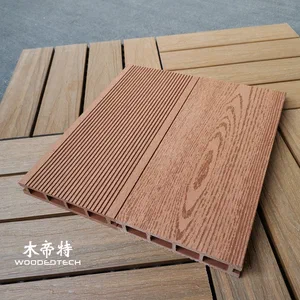 The Classic D14025-4 Red Wood WPC Wood Sheet Features a Timeless 2D Flat Wood Grain Design That Remains Popular After Twenty Years