
Composite Decking Railing: A Complete Guide for B2B Buyers in 2026
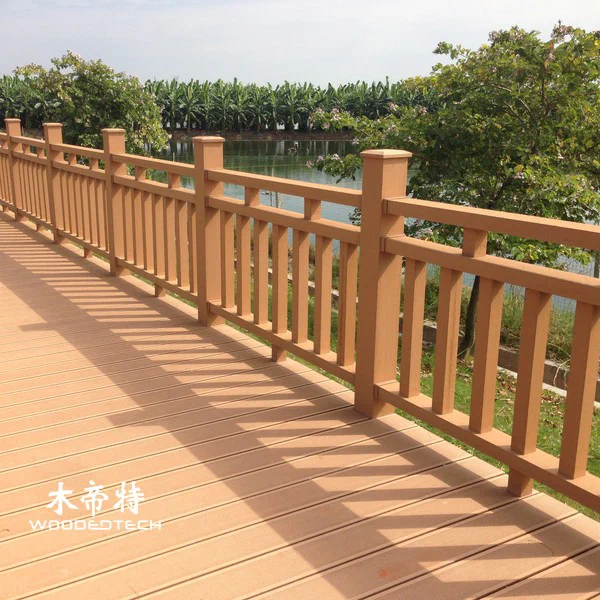
Composite decking railing is an important part of outdoor decking projects, providing edge protection, visual consistency, and long-term durability. For B2B buyers sourcing from China in 2026, choosing the right supplier requires more than comparing prices. Factory production capacity, material quality, railing system compatibility, technical specifications, and export experience all influence the success of a wholesale order.
Understanding Composite Decking Railing for Commercial Projects
Composite decking railing is commonly manufactured from wood plastic composite (WPC), combining wood fiber or wood flour with thermoplastics and performance additives. It offers a wood-like appearance with lower routine maintenance requirements than traditional timber railing.
For distributors, contractors, importers, and building material wholesalers, the main advantage is the ability to source coordinated outdoor products from one manufacturer. Matching railing systems with composite deck boards creates a consistent appearance across residential gardens, balconies, pool areas, commercial terraces, and public outdoor spaces.
Common railing components include:
- Top rails and bottom rails
- Composite balusters and infill panels
- Handrails and support posts
- Aluminum reinforcement inserts
- Post caps, brackets, and connecting accessories
- Stair railing components and mounting hardware
Buyers should distinguish between a complete composite railing system and individual WPC profiles. Some suppliers manufacture only the composite components, while others provide aluminum posts, connectors, and installation accessories as part of a complete package.
How to Identify a Reliable WPC Railing Manufacturer
The first step is to verify whether a potential supplier operates its own factory or mainly trades products from other manufacturers. This distinction affects production control, customization, pricing, and delivery reliability.
A professional WPC factory should be able to explain its manufacturing process, raw material sourcing, extrusion equipment, quality inspection procedures, and production capacity. Request factory photographs, production videos, and relevant business documentation before placing a large order.
When evaluating a Chinese WPC manufacturer, pay attention to several factors:
- Production capability: Check the number of extrusion lines, available molds, daily output, and current production schedule.
- Product development: Confirm whether the factory can develop custom railing profiles, colors, dimensions, and surface textures.
- Quality management: Ask about incoming material inspections, production checks, dimensional testing, and finished-product inspections.
- Export experience: Look for experience supplying overseas distributors, construction companies, and building material importers.
- Packaging capability: Confirm whether the factory uses protective packaging suitable for long-distance sea transportation.
A factory audit, whether conducted in person or through a third-party inspection company, can provide additional confidence. Buyers should also request samples manufactured using the same materials and production process as the proposed bulk order.
Confirming Material Specifications and Product Quality
WPC railing quality depends on more than its external appearance. Material formulation, extrusion conditions, structural design, and reinforcement all influence performance.
Before requesting a quotation, establish the exact product specifications. Different factories may use different formulations even when their products look similar.
Important details to confirm include:
| Specification | What buyers should check |
|---|---|
| Material composition | Wood fiber, plastic type, and additive formulation |
| Profile dimensions | Width, height, wall thickness, and length |
| Profile structure | Solid, hollow, or reinforced design |
| Surface treatment | Brushed, embossed, smooth, or wood grain |
| Color options | Standard colors and custom color availability |
| UV resistance | Weathering and color stability test results |
| Mechanical performance | Strength, impact resistance, and load requirements |
| Fire performance | Applicable fire classifications and test reports |
For projects requiring higher structural performance, aluminum reinforcement may be necessary. However, buyers should not assume that every composite railing profile can support the same loads. Post spacing, fixing methods, railing height, and installation conditions must be considered together.
Request technical data sheets and independent test reports where applicable. For commercial and public projects, confirm compliance with the building codes and railing safety requirements of the destination market. ASTM, EN, and other regional standards may apply depending on the project and intended use.

Comparing Suppliers Beyond the Quoted Price
Price is important in wholesale purchasing, but the lowest quotation does not necessarily represent the best value. A cheaper product may have thinner profile walls, less consistent dimensions, weaker reinforcement, or fewer accessories.
When comparing composite railing suppliers, request quotations based on identical specifications. The quotation should clearly identify the material composition, profile dimensions, color, surface treatment, packaging method, and included accessories.
Also check whether the supplier offers:
- OEM and private-label manufacturing
- Custom extrusion molds and profile development
- Mixed-color or mixed-profile container orders
- Consistent production across repeat orders
- Spare parts and replacement components
- Technical installation documentation
Pay attention to mold charges, minimum order quantities (MOQs), sample fees, and lead times. For customized profiles, confirm mold ownership, mold storage arrangements, and whether future orders can use the same tooling without additional development costs.
A detailed quotation makes it easier to calculate the actual landed cost, including product prices, inland transportation, shipping, customs duties, and destination handling charges.
Common Purchasing Risks and How to Avoid Them
International buyers often encounter avoidable problems when sourcing composite decking railing. Most arise from unclear specifications, insufficient verification, or incomplete purchase agreements.
One common risk is receiving samples that do not match bulk production. To prevent this, approve a production sample and retain a signed reference sample before mass manufacturing. Record the agreed color, dimensions, surface finish, and material specifications in the purchase contract.
Another risk is ordering incompatible railing components. Composite posts, rails, brackets, and aluminum inserts must be designed to work together. Ask the manufacturer for a complete assembly drawing and confirm compatibility before production.
Packaging damage is another concern, particularly for long railing profiles transported by sea. Confirm carton dimensions, protective materials, pallet requirements, loading methods, and container utilization. For large orders, consider a pre-shipment inspection to check quantities, appearance, dimensions, and packaging.
Payment arrangements also deserve attention. Avoid relying entirely on verbal promises. Use a written purchase order covering specifications, delivery dates, inspection criteria, payment terms, and responsibility for defective goods. For an unfamiliar supplier, start with a manageable trial order before committing to long-term purchasing volumes.
Building a Long-Term Partnership with a Chinese WPC Supplier
For distributors and importers planning to expand their outdoor building material business in 2026, a reliable manufacturing partner offers more than competitive factory pricing. Consistent product quality, responsive communication, flexible customization, and dependable delivery are essential for maintaining customer confidence.
A capable WPC manufacturer should be willing to discuss project requirements, recommend suitable profile structures, provide samples, and explain installation considerations before production begins. Buyers should also evaluate whether the supplier can coordinate composite decking, railing, fencing, and other outdoor WPC products to support a broader product range.
Before confirming your first container order, establish a clear technical specification sheet, approve samples, review the production schedule, and agree on inspection standards. These steps reduce purchasing uncertainty and make future orders easier to manage. The right supplier is not simply the factory offering the lowest price, but the manufacturing partner capable of delivering consistent products that meet your market’s requirements.
Related Articles
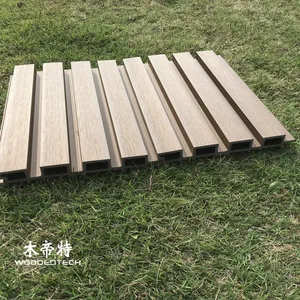 Composite Railing for Deck: A B2B Guide to Materials, Performance and Installation
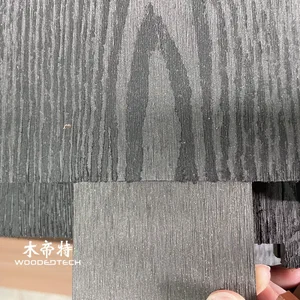 Composite Hand Railing: Industrial Applications, Benefits, and Selection Criteria
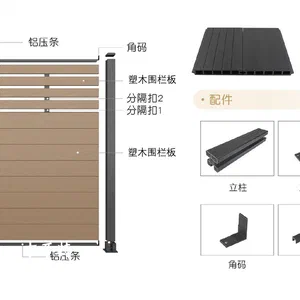 Composite Deck Railing Ideas: Design Trends and Material Solutions for 2026
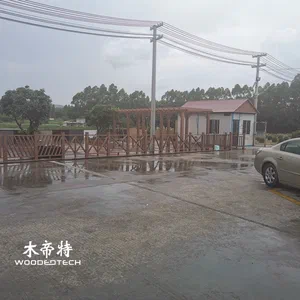 Composite Balustrade for Safe and Attractive Outdoor Stairs Balconies Decks and Garden Areas
Related Products
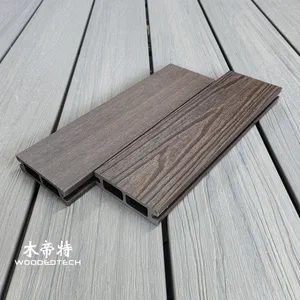 3DGL9024 Composite Decks and Railings Feature Premium Co Extruded 3D Embossed Rosewood Grain Texture with Realistic Natural Wood Fibers
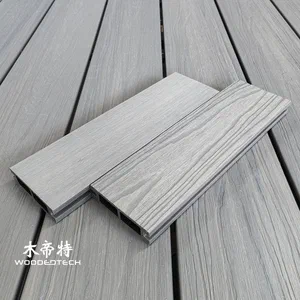 3DGL9024 Composite Railing Kits Feature Premium Co Extruded 3D Embossed Antique Wood Grain Texture with Realistic Natural Wood Fibers
 10' composite deck railing allows customized styles and dimensions for various landscape and building projects