
Composite decking questions help customers understand materials installation and maintenance requirements
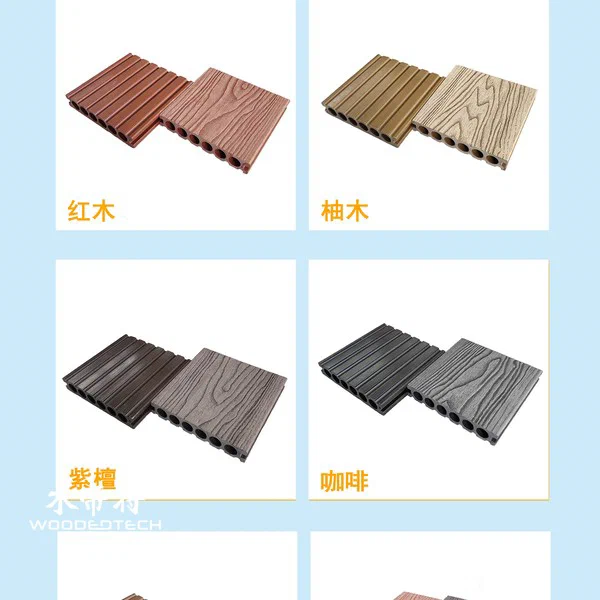
Composite decking and WPC wall cladding are designed for fast, clean installation when the subframe, fixing method, and expansion gaps are planned correctly. This guide explains the practical steps installers use on site, from preparing the base to cutting, fastening, and routine maintenance.
Subframe preparation
A good WPC installation starts with a straight, dry, and stable subframe. For decking, use composite decking joists or treated timber/aluminum supports laid on a level base with proper drainage and spacing that matches the board supplier’s recommendation. For wall cladding, check the wall is flat enough to carry battens, and allow airflow behind the panels so moisture cannot get trapped.
Before fixing anything, measure the site, confirm the board direction, and mark out starter lines. Keep the frame aligned with the finished surface in mind, because composite boards will highlight any error in the base.
Fixing methods for decking and cladding
For decking boards, use hidden clips or manufacturer-approved fasteners where possible. Start with a starter clip or edge fix, then work board by board, keeping each row tight but not forced together. Do not overdrive screws, as this can distort the board and shorten the life of the fixing.
For wall cladding, install the battens first, then secure the first panel carefully so it stays level. Many systems use tongue-and-groove, concealed clips, or face fixing depending on the profile. Around doors, corners, and trims, keep the layout neat and consistent so the finish looks intentional, not cut short at the edges.
Expansion gaps, cutting, and finishing
WPC moves slightly with temperature, so expansion gaps are essential. Leave end gaps, side gaps, and perimeter gaps according to the technical sheet for the product being used. As a rule, do not butt composite boards tightly against walls, posts, or other fixed elements.
Cut boards with a fine-tooth blade for a clean edge. Support the material fully while cutting to reduce chipping, and wipe away dust before fixing. When trimming wall cladding, check all ends are square and sealed within the frame line so the finish stays crisp.

A simple site checklist helps avoid callbacks:
- confirm the subframe is level and ventilated
- follow the recommended fixing pattern
- maintain all required expansion gaps
- use matching trims and corner profiles
- keep cuts clean and repeatable
Maintenance tips for long-term performance
Composite decking and WPC cladding are low maintenance, but not no maintenance. Sweep off dirt regularly, wash with mild soap and water when needed, and remove leaf buildup or standing water promptly. Avoid harsh solvents, steel brushes, and pressure washing too close to the surface.
If a board becomes loose, damaged, or stained, inspect the fixing first before replacing the material. Proper installation makes maintenance easier and helps the surface keep its appearance for years.
FAQ
Q: Can WPC decking be installed on an old concrete patio? A: Yes, if the surface is sound, level, and drains properly. A sleeper or joist system is usually added to create a correct subframe.
Q: Do WPC wall panels need ventilation behind them? A: Yes, air movement behind the panels helps reduce moisture buildup and improves long-term performance. Always follow the system’s installation guide.
Q: What is the most common installation mistake? A: Skipping expansion gaps is one of the biggest issues. Boards need room to move, especially in hot sun or changing weather.
Related Articles
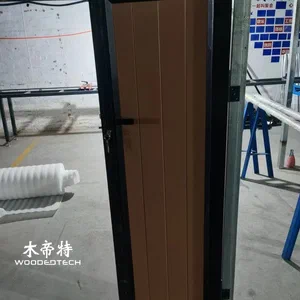 Composite decking 3mm hidden fasteners provide neat installation solutions for seamless outdoor deck surfaces
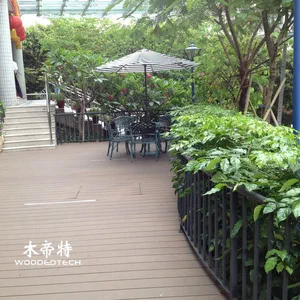 labor cost to install composite decking varies based on project size design and installation conditions
 Composite decking 3.6 m lengths support efficient installation for large outdoor decking projects
 Wood plastic composite flooring installation provides practical guidance for creating durable outdoor floors
Related Products
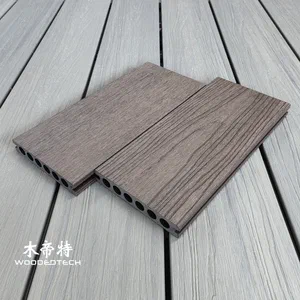 3DGD13823 Second Generation 3D Embossed Rosewood Composite Balcony Decking Delivers Ultra Realistic Wood Grain Texture and a Premium Natural Wood Experience
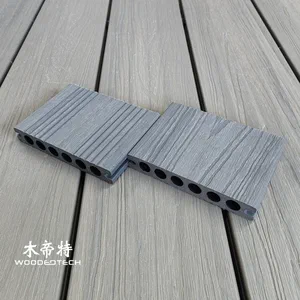 GD13823-3 Light Grey Premium Co Extrusion WPC Composite Decking Offers LG Texture and Excellent UV Resistance for Outdoor Spaces
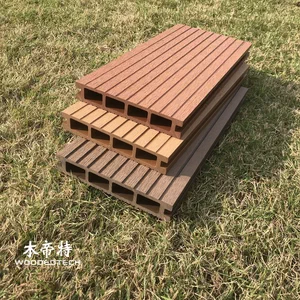 D14025-3 Square Hole Double Sided Grooved WPC Board Factory Producing Outdoor Decking Boards With Good Slip Resistance