
composite decking quality levels help customers compare different materials and performance standards

Outdoor WPC, or wood plastic composite, is often compared with natural wood, timber, aluminum, and other exterior finishes because it sits between durability and appearance. For buyers evaluating composite decking quality levels, the real question is not only how a material looks on day one, but how it performs after years of sun, rain, cleaning, and heavy use.
How WPC compares with natural wood and timber
Natural wood and traditional timber offer an authentic grain, warm color, and a familiar premium feel. They are easy to cut and repair, but they also absorb moisture, fade faster, and need regular sealing, staining, or painting to stay stable outdoors. In coastal, humid, or high-rainfall projects, maintenance becomes a major cost driver.
WPC gives a wood-like look with better resistance to rot, cracking, and insect damage. Quality varies by formulation, but higher-grade capped composite decking usually keeps color longer, handles moisture better, and reduces surface staining. It will not fully match the raw texture of timber, yet it delivers more consistent performance with far less upkeep.
WPC versus aluminum and other exterior materials

Aluminum is strong, lightweight, and highly stable in harsh weather. It does not rot or warp, and it suits modern architectural projects where clean lines matter. Its downside is comfort and appearance: aluminum can feel cold, industrial, and less natural underfoot, while also costing more in some decorative applications.
Compared with PVC, fiber cement, stone, or ceramic exterior products, WPC often provides a better balance of slip resistance, foot comfort, and design flexibility. Stone and tile can last longer in certain environments, but they are heavier, harder to install, and more expensive to repair. PVC can be low-maintenance, yet some versions lack the stiffness and premium finish buyers expect for commercial decks or hospitality spaces.
Advantages, disadvantages, and maintenance
WPC advantages:
- Low routine maintenance
- Better moisture and decay resistance than wood
- Stable appearance across large projects
- Good choice for decks, balconies, pool edges, and public walkways
WPC disadvantages:
- Quality differences between brands are significant
- Lower-grade boards can fade, scratch, or expand more
- Surface repair options are limited compared with timber
- Upfront price is usually higher than basic softwood
Maintenance is usually simple: sweeping, rinsing, and occasional neutral detergent cleaning. Timber needs recurring coating work, while aluminum mainly needs washing and inspection of fixings. For WPC, the key is choosing the right product grade, board structure, and surface treatment before installation.
Lifecycle cost and buying decision
Lifecycle cost is where WPC often wins. A lower initial price does not always mean lower total cost once labor, recoating, replacements, and downtime are added. In projects with long service expectations, composite decking quality levels help customers compare not just material categories, but the real value difference between short-term savings and long-term performance.
FAQ
Q: Is WPC better than natural wood for outdoor decking? A: For most low-maintenance projects, yes. WPC usually lasts longer outdoors with less upkeep, while wood offers a more natural look but needs regular treatment.
Q: Why is aluminum not always the best decking alternative? A: Aluminum is very durable, but it is not as comfortable or visually warm as wood-based materials. It is often better for structural or modern architectural elements than for a classic deck surface.
Q: What affects composite decking quality levels most? A: Material composition, capping quality, density, UV resistance, and manufacturing consistency have the biggest impact. These factors directly influence color retention, strength, and long-term value.
Related Articles
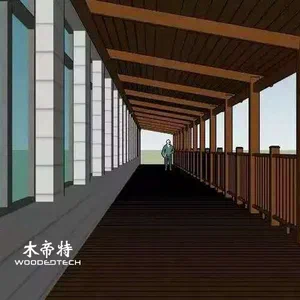 Composite deck or wood comparison helps customers choose the right outdoor flooring material for their projects
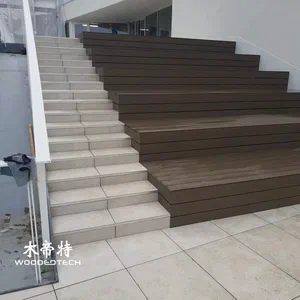 Composite decking weight helps customers choose suitable materials for different construction needs
 Premium Composite Decking Quality Standards and Testing Criteria
 plastic wood flooring cost depends on material structure surface design and project requirements
Related Products
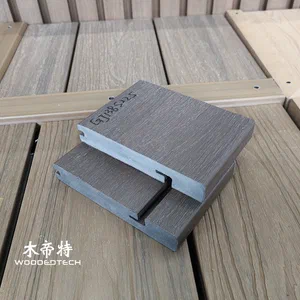 GD13822.5S Fully Capped Solid Starter Wood Polymer Composite Decking Provides a Stable Starting Structure for the First Decking Board
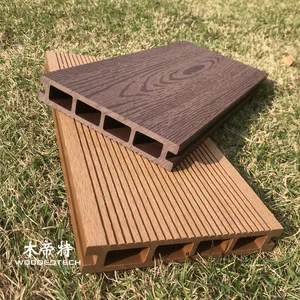 D14025-4 Composite for Decking Provides Stable Performance and Reliable Quality as a Popular Choice for Outdoor Projects
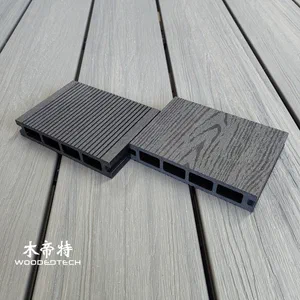 D14025-4 WPC Decking Boards Feature a Flat Wood Grain Surface with Black Ebony Heartwood Ring Grain for Outdoor Applications