
Composite Decking Pros And Cons Help Buyers Understand Performance And Application Benefits

Composite decking, also known as wood-plastic composite (WPC), combines the aesthetic appeal of natural wood with enhanced durability and low maintenance. When comparing outdoor WPC to natural wood, traditional timber, aluminum, and other exterior materials, it’s essential to explore their advantages, disadvantages, maintenance requirements, and lifecycle costs.
Advantages of Composite Decking
Composite decking offers several benefits over traditional materials. It is resistant to fading, staining, and scratching, making it an excellent choice for outdoor environments. The material is also less prone to warping and splitting compared to natural wood, which can deteriorate over time due to weather exposure.
Moreover, WPC is eco-friendly, often made from recycled materials, including wood fibers and plastic. This makes it a sustainable choice for environmentally conscious consumers. Additionally, many composite products come with a warranty, reflecting their durability and longevity.
Disadvantages of Composite Decking
Despite its many advantages, composite decking has some drawbacks. One significant concern is its initial cost, which can be higher than that of traditional timber. Although it may save money over time due to lower maintenance and longer lifespan, the upfront investment can be a barrier for some buyers.
Additionally, composite decking can become hot under direct sunlight, which may not be suitable for all climates. Some products may also have a less authentic wood feel compared to natural timber, which can be a consideration for homeowners wanting a classic look.
Maintenance Requirements
Composite decking requires significantly less maintenance compared to natural wood. While wood needs regular sealing, staining, and painting to maintain its appearance, WPC simply requires occasional cleaning with soap and water. This ease of maintenance is a significant advantage for busy homeowners or commercial properties.
In contrast, aluminum and other exterior materials may offer low maintenance as well but can be more susceptible to denting and corrosion. This makes composite decking a preferable option for those seeking durability along with minimal upkeep.

Lifecycle Costs
When evaluating lifecycle costs, composite decking generally proves to be cost-effective over time. Although the initial investment is higher, the reduced maintenance costs, along with its longevity—often lasting 25 years or more—justify the expense.
In comparison, natural wood may require more frequent replacements and maintenance, leading to higher long-term costs. Aluminum can be a durable option but may not provide the same aesthetic warmth as composite materials. Traditional timber and wood products often present a cycle of persistent upkeep and replacement, making WPC a financially savvy choice for long-term outdoor projects.
FAQ
Q: How does composite decking compare to natural wood in terms of durability?
A: Composite decking is more durable than natural wood, as it resists warping, splitting, and fading, making it suitable for various outdoor conditions.
Q: Is composite decking eco-friendly?
A: Yes, many composite decking options are made from recycled materials, making them an environmentally friendly choice for outdoor applications.
Q: What are the maintenance requirements for composite decking?
A: Composite decking requires minimal maintenance, needing only occasional cleaning with soap and water, unlike natural wood that requires regular staining and sealing.
Related Articles
 Pros and Cons Of Composite Decking Help Customers Understand Performance and Applications Before Choosing
 What Is The Best Composite Deck Material for Durable and Beautiful Outdoor Flooring Applications
 Composite Deck Gasket Provides Better Protection And Stability For Outdoor Decking Installation
 Composite Decking Lengths Provide Flexible Options For Different Outdoor Project Requirements
Related Products
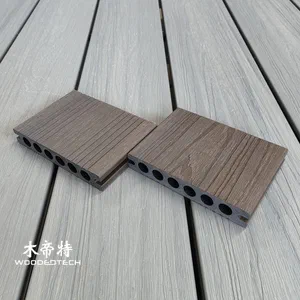 Purple Sandalwood GD13823-3 Co Extruded WPC Outdoor Decks with Round Holes Are Available in Stock in 3 Meter Lengths Year Round
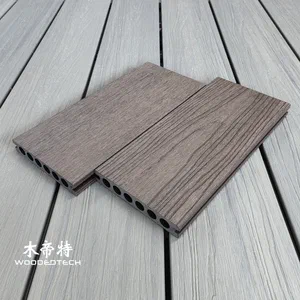 3DGD13823 Second Generation 3D Embossed Rosewood Composite Balcony Decking Delivers Ultra Realistic Wood Grain Texture and a Premium Natural Wood Experience
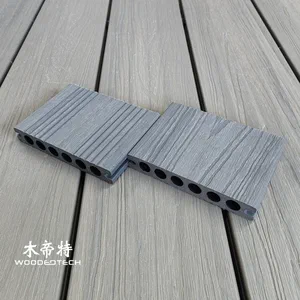 GD13823-3 Light Grey Premium Co Extrusion WPC Composite Decking Offers LG Texture and Excellent UV Resistance for Outdoor Spaces