
Composite Decking Problems: Key Challenges and Solutions for Industrial Applications
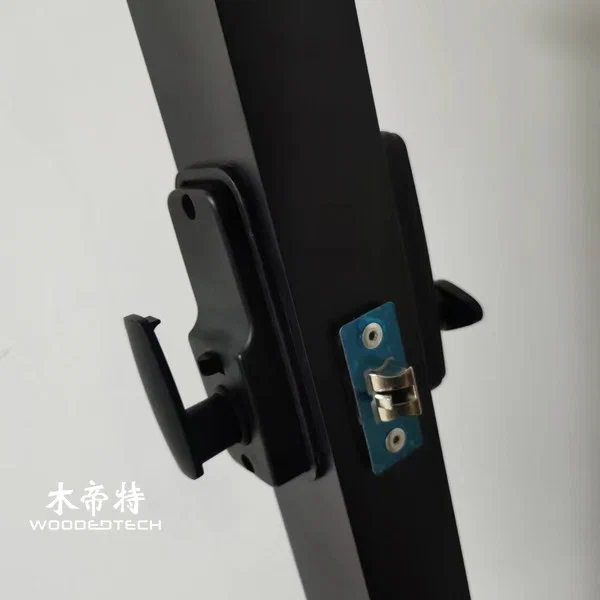
Composite decking problems in industrial and commercial applications are often related to installation methods, temperature changes, material characteristics, and maintenance practices. Understanding how to identify these issues and apply the correct solutions helps contractors, project managers, and facility operators maintain safe, durable, and attractive outdoor decking surfaces.
1. Installation Errors: The Starting Point of Many Decking Problems
Incorrect installation is one of the most common causes of premature composite decking failure. In industrial applications, large decking areas, public walkways, commercial terraces, and outdoor platforms require consistent installation standards. Even high-quality wood plastic composite decking can develop structural or visual problems when the supporting framework is poorly designed.
Common installation problems include:
- Joist spacing exceeding the manufacturer’s recommended distance.
- Insufficient ventilation beneath the decking surface.
- Incorrect installation of clips and fasteners.
- Missing expansion gaps between board ends.
- Uneven or unstable supporting structures.
- Improper fastening that prevents normal board movement.
These mistakes can cause boards to flex, move, produce noise, or become uneven over time.
The recommended solution is to inspect the substructure before installing the decking boards. Ensure that joists are level, properly secured, and spaced according to the product specifications. Use compatible installation clips and stainless steel screws where specified. For commercial projects with heavy pedestrian traffic or equipment loads, verify the required load capacity and joist spacing through the manufacturer’s technical documentation.
Professional contractors should also follow the approved wood plastic composite decking installation procedure rather than applying traditional timber installation methods directly to WPC products.
2. Color Differences: Understanding Natural Variations
Color inconsistency is another concern frequently reported by customers purchasing composite decking in bulk. Boards supplied in different production batches may show slight variations because of differences in pigment dispersion, raw material characteristics, processing temperatures, and surface treatments.
Outdoor exposure can also change the appearance of composite decking. Newly installed boards may experience an initial color adjustment as they are exposed to sunlight, moisture, and environmental conditions.
For industrial projects, these differences can become particularly noticeable when large areas are installed together.
To reduce the risk of color inconsistency, buyers should:
- Purchase sufficient decking material from the same production batch whenever possible.
- Confirm the color code and surface finish before bulk production.
- Request physical samples before approving large orders.
- Mix boards from different packages during installation when permitted by the manufacturer’s instructions.
- Store materials properly to prevent uneven exposure before installation.
For projects requiring strict visual consistency, buyers should confirm color tolerances with their WPC supplier before placing an order. UV-resistant pigments and protective surface treatments can also help improve long-term color stability.
It is important to explain to customers that slight color variation is not necessarily a manufacturing defect. However, obvious differences between boards from the same batch should be investigated through production records and quality inspection.
3. Expansion and Contraction: Managing Temperature Changes
Composite decking expands and contracts as temperatures change. This is a normal physical characteristic of wood plastic composite decking, but insufficient installation clearance can turn normal movement into a serious problem.
During hot weather, boards may expand and push against adjacent boards or fixed structures. Without sufficient clearance, this movement can cause raised edges, buckling, joint deformation, or excessive pressure on fasteners. In colder conditions, boards contract, potentially creating wider gaps.
These problems are particularly important in industrial applications where decking areas are large and exposed to direct sunlight.
The correct solution is to allow for thermal movement during installation.
Key precautions include:
- Leave the recommended end-to-end gaps between boards.
- Maintain appropriate clearance around walls, posts, and other fixed structures.
- Follow the manufacturer’s temperature-specific installation recommendations.
- Avoid overtightening fasteners or restricting board movement.
- Provide suitable ventilation and drainage beneath the deck.
Expansion gaps should not be estimated using a universal measurement. Required clearances depend on board length, material formulation, installation temperature, and product design. Contractors should always refer to the technical installation guide supplied with the decking system.
4. Surface Scratches and Wear: Protecting the Decking Finish

Although composite decking is designed for outdoor durability, its surface is not completely resistant to scratches. Heavy furniture, metal equipment, dragging objects, construction tools, and abrasive materials can damage the surface.
In commercial environments such as restaurants, resorts, public parks, and industrial facilities, frequent foot traffic can also contribute to gradual surface wear.
For minor scratches, customers can first clean the affected area and assess the depth of the damage. Some superficial marks may become less noticeable after cleaning and weather exposure. However, deep scratches on capped composite decking may permanently damage the protective outer layer.
Recommended preventive measures include:
- Install protective pads beneath furniture and equipment.
- Avoid dragging heavy objects across the decking.
- Use suitable protective mats in high-traffic working areas.
- Keep sharp metal objects away from the surface.
- Follow the manufacturer’s approved cleaning and repair recommendations.
For projects exposed to intensive use, selecting capped composite decking with a durable co-extruded protective layer can provide additional resistance to moisture, stains, and everyday surface wear. However, the appropriate product should be selected according to the actual traffic conditions and performance requirements.
5. Maintenance Requirements: Keeping Composite Decking in Good Condition
Low maintenance does not mean maintenance-free. Dirt, leaves, grease, dust, and other contaminants can accumulate on composite decking, particularly in outdoor commercial environments.
Without regular cleaning, accumulated debris may cause discoloration, block drainage gaps, and contribute to slippery conditions when wet.
A practical maintenance routine should include:
- Routine sweeping to remove leaves, dust, and loose debris.
- Washing with water and a mild, manufacturer-approved cleaning solution.
- Cleaning gaps between boards to maintain proper drainage.
- Removing food, oil, and grease stains as soon as possible.
- Inspecting fasteners, clips, joists, and board connections periodically.
Pressure washing should only be used when permitted by the product manufacturer. Excessive water pressure or an unsuitable nozzle can damage the surface finish.
For large commercial decking installations, facility operators should establish a scheduled inspection and cleaning plan. Areas around swimming pools, outdoor dining spaces, and industrial walkways may require more frequent attention because of their exposure to moisture, grease, and heavy use.
6. After-Sales Inspection and Long-Term Problem Prevention
Effective after-sales service should focus on identifying the actual cause of a problem rather than immediately replacing damaged boards. Installation conditions, environmental exposure, product specifications, and maintenance history should all be considered during troubleshooting.
When customers report composite decking problems, suppliers should request clear photographs, installation details, production batch information, and a description of the affected area. For structural concerns, an on-site inspection may be necessary to evaluate the supporting framework and fastening system.
Manufacturers can also reduce future complaints through consistent raw material inspection, extrusion process control, dimensional testing, surface quality checks, and batch traceability.
For distributors, contractors, and industrial project buyers, choosing an experienced WPC manufacturer is an important part of long-term project management. Reliable technical documentation, installation guidance, product consistency, and responsive after-sales support help reduce installation risks and unexpected maintenance costs.
A well-designed composite decking system depends on more than board quality alone. Correct installation, suitable material selection, proper thermal clearance, and regular maintenance work together to deliver dependable performance in demanding outdoor environments.
Related Articles
Related Products
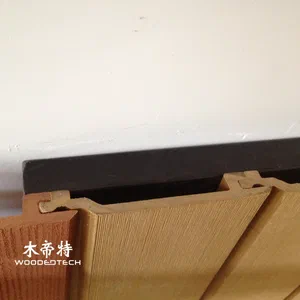
 GD13820 M Shape Co Extruded Composite Deck Planks Feature a Special Profile Design for Distinctive Outdoor Decking Applications
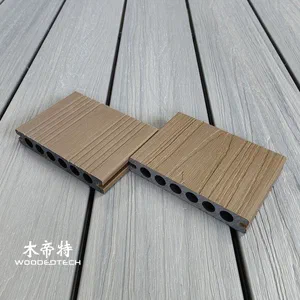 GD13823-3 Teak TK Co Extruded Decking Is a Popular Choice from Composite Decking Suppliers for Outdoor Flooring Projects
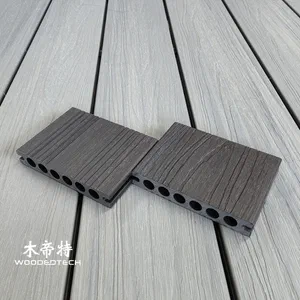 GD13823-3 Walnut WN Co Extruded Decking Features a Dark Rich Color That Helps Resist Visible Dirt and Stains