
Composite Decking Price Compared to Wood: A Comprehensive Analysis for 2023
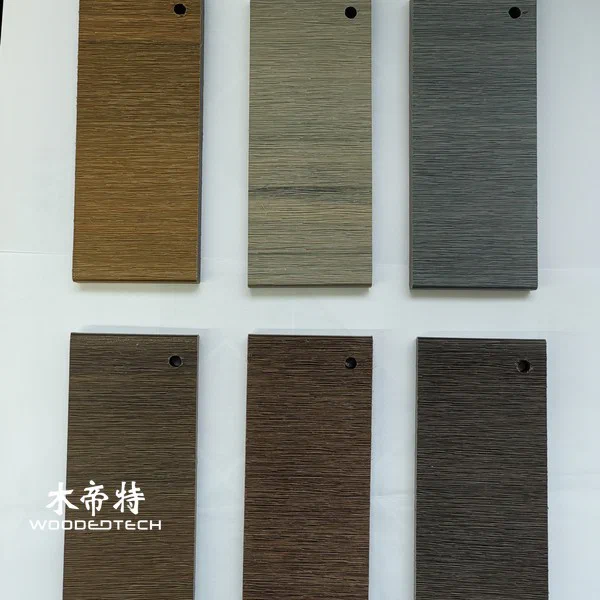
Composite decking has gained popularity as a viable alternative to traditional wood due to its unique benefits and features. This article analyzes the price and performance of composite decking compared to natural wood, traditional timber, aluminum, and other exterior materials. Factors such as advantages, disadvantages, maintenance requirements, and lifecycle costs will be explored to provide a comprehensive view.
Advantages of Composite Decking

Composite decking offers several advantages over natural wood and traditional materials:
- Durability: It is highly resistant to rot, splintering, and insect damage, ensuring a longer lifespan.
- Low Maintenance: Unlike wood, composite decking requires minimal upkeep. It does not need staining or sealing, and regular cleaning is often sufficient.
- Eco-Friendly: Many composite products are made from recycled materials, making them a sustainable choice.
- Variety: Available in various colors and textures, composite decking can mimic the look of wood without the associated issues.
Disadvantages of Composite Decking
Despite its benefits, composite decking has some drawbacks:
- Initial Cost: The upfront investment in composite decking can be higher than that of natural wood. However, this can be offset by lower maintenance costs over time.
- Heat Retention: Composite materials can absorb more heat than wood, which may make surfaces uncomfortably hot in direct sunlight.
- Limited Repairs: If damaged, composite decking is harder to repair compared to natural wood, which can often be sanded or refinished.
Comparing Natural Wood and Traditional Timber
Natural wood offers aesthetic appeal and a warm, traditional feel. However, it comes with several challenges:
- Maintenance: Wood requires regular staining, sealing, and treatment to protect against weathering and pests. This can be time-consuming and costly.
- Longevity: While high-quality wood can last decades with proper care, exposure to the elements can shorten its lifespan significantly.
- Cost Variability: The price of wood can fluctuate based on species, availability, and market conditions, making budgeting difficult.
Aluminum and Other Materials
Aluminum is an alternative material often used in outdoor applications:
- Durability: Aluminum is resistant to corrosion and does not warp, making it suitable for various weather conditions.
- Maintenance: Like composite decking, aluminum requires minimal maintenance, often just a wash to keep it looking good.
- Aesthetic Limitation: While available in different finishes, aluminum may not offer the same warmth and visual appeal as wood or composite decking.
Other materials, such as concrete or tiles, can also be considered for outdoor spaces:
- Longevity: Concrete is extremely durable and requires little maintenance but can be prone to cracking.
- Cost: Initial installation of concrete can be lower than wood or composite but may require more repairs over time.
Lifecycle Costs
When evaluating lifecycle costs, it’s essential to consider both initial investment and long-term maintenance:
- Composite Decking: Higher initial costs but lower maintenance and replacement costs can lead to significant savings over time.
- Natural Wood: Lower upfront costs but higher maintenance and potential replacement expenses can make it more expensive in the long run.
- Aluminum: While it may have a comparable initial cost to composite, the lack of maintenance costs can make it a worthy investment.
Each material presents unique advantages and challenges. Composite decking stands out for its durability, low maintenance, and eco-friendly profile, although its upfront costs may deter some buyers. Natural wood appeals for its aesthetic but requires significant upkeep, while aluminum offers a robust alternative with minimal maintenance. Ultimately, the choice will depend on individual preferences, budget constraints, and long-term goals for outdoor spaces.
Related Articles
Related Products
 GD13820 M Shape Co Extruded Composite Deck Planks Feature a Special Profile Design for Distinctive Outdoor Decking Applications
 GD13823-3 Composite Boards for Decking Are Available in Multiple Stock Colors with 3 Meter Lengths and Single Piece Delivery
 3DGL18024 WPC Longboard Fence Features Premium Co Extruded 3D Embossed Teak Wood Grain Texture with Realistic Natural Wood Fibers