
Composite decking pictures show various outdoor design ideas for modern landscape projects
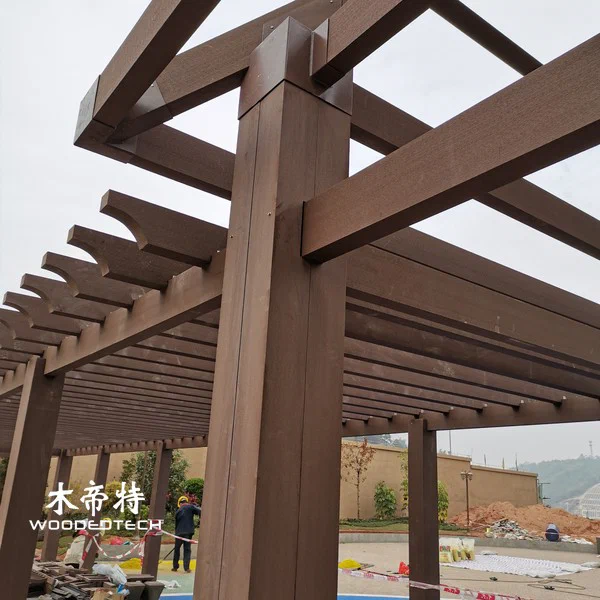
Composite decking pictures often reveal more than color choices; they show how modern outdoor spaces are planned as connected, low-maintenance environments. For landscape projects, the best results come from matching decking, wall panels, fences, pergolas, gazebos, and planters in one clear design language.
Modern design trends in outdoor WPC products
Today’s outdoor designs lean toward calm, architectural looks. Neutral composite decking colors like charcoal, warm gray, teak, and coffee help define a clean base, while lighter cladding and fence tones soften the overall layout. Many projects now use the same finish family across multiple products so the deck, wall, and privacy screen feel intentional rather than mixed together.
Texture is just as important as color. Embossed and wood-grain surfaces add depth without the upkeep of natural timber, and they photograph well in both private homes and commercial landscapes. A subtle textured board can make a small patio feel more refined, while a richer grain pattern brings warmth to pool decks, terraces, and garden walkways.
Profiles, details, and modular planning
Modern composite decking pictures also highlight the role of profile design. Grooved boards, square-edge boards, fluted wall panels, and slim slats each create a different visual rhythm. Using one profile for flooring and a matching or complementary profile for cladding or screening helps unify the space, especially in projects that combine seating areas, pergolas, and feature walls.
Modular products are gaining popularity because they simplify layout and installation. Interlocking deck tiles, prefabricated pergola parts, and repeatable fence panels make it easier to build clean lines, handle corners, and scale the design for different site sizes. For landscape contractors, this also means faster installation and more predictable project results.
How coordinated products improve outdoor spaces
A good outdoor design works in layers. Decking defines the main walking or lounging zone, wall panels add backdrop and privacy, fences frame the boundary, and pergolas or gazebos create shade and structure. Planters, benches, and screens finish the scene and help break large areas into smaller, usable zones.

When these products share the same material family, the space feels balanced and premium. Composite materials are especially effective because they keep a consistent look across sun, rain, and seasonal changes. That makes them a practical choice for residential gardens, resort courtyards, restaurant terraces, and public landscape projects.
The strongest modern trend is not one single product, but a coordinated system. Designers are choosing durable composite solutions that combine simple geometry, natural-looking textures, and flexible modular formats to create outdoor spaces that look polished from every angle.
FAQ
Q: Why are composite decking pictures useful for landscape planning? A: They help buyers visualize how colors, textures, and profiles work together in a real outdoor setting. They also make it easier to compare design styles before selecting products.
Q: Which WPC products are commonly combined in modern projects? A: Decking, wall panels, fences, pergolas, gazebos, and planter boxes are often used together. This creates a consistent look across the full outdoor space.
Q: What design features make composite outdoor products look more modern? A: Neutral colors, wood-grain or embossed textures, and clean modular profiles are the most common choices. These details create a neat, architectural finish with less maintenance.
Related Articles
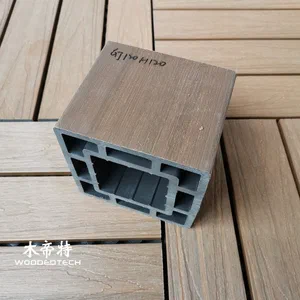 Outdoor kitchen composite decking provides stylish and practical flooring solutions for open air spaces
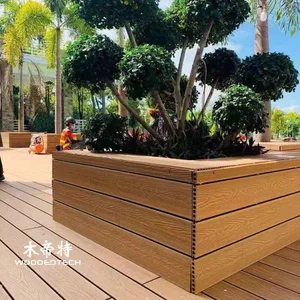 Creative Space Optimization: small composite deck ideas & Designs
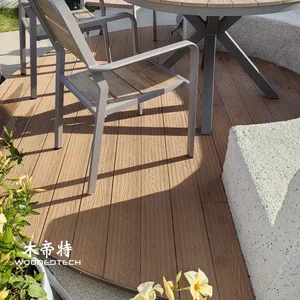 Modern Composite Deck Ideas & Inspiring Designs for Residential Backyards
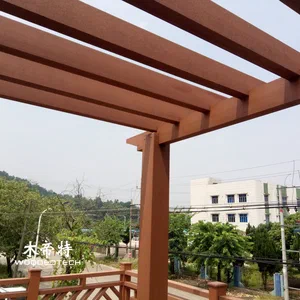 1x6 plastic lumber offers versatile solutions for outdoor construction and landscaping projects
Related Products
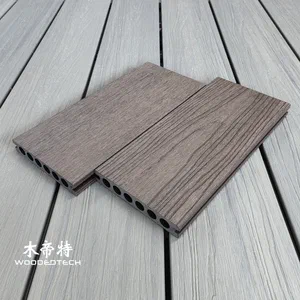 3DGD13823 Second Generation 3D Embossed Rosewood Composite Balcony Decking Delivers Ultra Realistic Wood Grain Texture and a Premium Natural Wood Experience
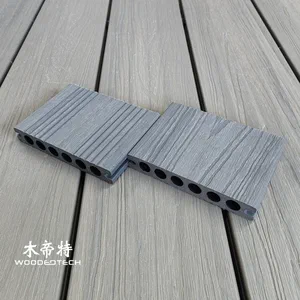 GD13823-3 Light Grey Premium Co Extrusion WPC Composite Decking Offers LG Texture and Excellent UV Resistance for Outdoor Spaces
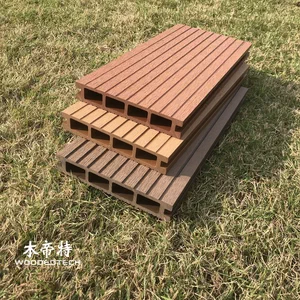 D14025-3 Square Hole Double Sided Grooved WPC Board Factory Producing Outdoor Decking Boards With Good Slip Resistance