
Composite Decking on Concrete Patio: A Guide to Commercial Installation

Installing composite decking over an existing concrete patio is an effective way to upgrade an outdoor commercial space without removing the original surface. A properly installed wood plastic composite (WPC) decking system provides a durable, attractive finish while improving drainage, comfort, and long-term maintenance efficiency. The key is to prepare the concrete correctly, build a stable subframe, and allow sufficient room for expansion and contraction.
1. Inspect and Prepare the Existing Concrete Patio
Before installing composite decking, inspect the concrete patio to confirm that it can support the proposed decking system. Commercial projects often involve larger installation areas and heavier foot traffic, so the condition of the existing base is particularly important.
Check the concrete for:
- Cracks, loose sections, and surface deterioration.
- Uneven areas that could affect subframe stability.
- Standing water or insufficient drainage.
- Existing expansion joints that must remain functional.
- Adequate clearance around doors, drainage outlets, and building thresholds.
Clean the surface thoroughly, removing dirt, oil, moss, and loose materials. Repair damaged sections with a suitable concrete repair product and allow them to cure according to the manufacturer’s instructions.
The patio should have an appropriate drainage slope, typically around 1–2% away from the building where site conditions permit. Do not install decking over a surface with unresolved drainage problems. Water must be able to move freely beneath the decking to prevent moisture accumulation.
2. Prepare the Subframe for Composite Decking
A stable subframe is essential when installing composite decking on concrete. Unlike traditional timber decking installed over soil or joists, a concrete patio requires a support system that creates sufficient ventilation and drainage clearance.
For commercial installations, contractors commonly use treated timber joists or aluminum support profiles, depending on the project specifications.
Follow these steps:
- Measure the patio and establish the decking layout, board direction, and finished floor height.
- Select suitable joists or aluminum profiles designed for outdoor use.
- Position protective rubber pads or adjustable pedestals beneath the support structure where specified.
- Arrange the joists at the spacing recommended by the decking manufacturer. A typical residential-style composite decking layout may use 300–400 mm spacing, but commercial applications, board thickness, loading requirements, and installation orientation may require closer support.
- Check every support point for stability and alignment.
- Secure the subframe using appropriate concrete anchors or approved fixing systems where required.
The subframe must remain level across the finished decking surface while preserving the drainage slope beneath it. Avoid placing joists directly against damp concrete without an appropriate moisture-resistant separation system.
For large commercial patios, aluminum subframes can offer dimensional stability and resistance to moisture-related deterioration. However, the selected profiles and connectors must be compatible with the decking system and expected structural loads.
3. Install Composite Decking Boards Using the Correct Fixing Method
Once the subframe is ready, installation of the composite decking boards can begin. Commercial projects generally use either hidden clip fixing or face fixing, depending on the board design and manufacturer requirements.
Hidden Clip Installation
Hidden clips provide a clean, consistent surface without visible screw heads. They are commonly used with grooved composite decking boards.
Installation steps:
- Position the first board along the starting edge.
- Secure it using the manufacturer’s approved starter clips or edge fasteners.
- Insert hidden clips into the board grooves at each supporting joist.
- Fasten the clips to the subframe using compatible stainless steel screws.
- Slide the next board into position, ensuring that it engages correctly with the clips.
- Continue across the patio, checking alignment and spacing regularly.
Face Fixing
Face fixing is suitable for certain solid composite boards and applications where the manufacturer permits direct fastening.
Use corrosion-resistant screws designed for composite decking. Pre-drilling may be necessary, particularly near board ends, to reduce the risk of splitting or surface damage. Avoid overtightening screws, as excessive pressure can restrict natural material movement.
For commercial installations, use one consistent fixing method across the project unless the manufacturer’s system specifies otherwise.
4. Maintain Expansion Gaps and Allow for Temperature Changes
Expansion gaps are essential for long-term composite decking performance. WPC contains wood fibers and polymers that respond to temperature changes. Although composite materials generally require less maintenance than natural timber, they still expand and contract with changing environmental conditions.
Allow for the following:
- End-to-end gaps between boards according to the manufacturer’s temperature-based installation chart.
- Side gaps between adjacent boards to accommodate movement and drainage.
- Adequate clearance around walls, columns, posts, and other fixed structures.
- Additional movement allowances at perimeter edges and transitions.
The required gap depends on board length, material composition, installation temperature, and product design. Follow the exact manufacturer’s specifications rather than applying one universal measurement.
For commercial patios with long decking runs, incorporate suitable expansion joints and board-end support details. Where boards meet, ensure that each end has independent support and the correct fixing arrangement.
Never force boards tightly together or block drainage openings with sealants. Restricted movement can lead to buckling, excessive stress, or premature fastening failure.

5. Cutting, Trimming, and Finishing the Decking
Accurate cutting is important for achieving a professional finish, particularly around commercial building entrances, drainage channels, columns, and irregular patio edges.
Use a circular saw or mitre saw fitted with a suitable fine-tooth blade recommended for composite materials. Measure each section carefully before cutting and support the board securely to prevent vibration or uneven edges.
Wear appropriate eye protection, hearing protection, and dust protection during cutting. Remove cutting debris regularly to maintain a clean working area.
For a professional finish:
- Keep exposed board ends aligned and consistent.
- Install matching fascia boards around visible perimeter edges.
- Use manufacturer-approved corner and transition accessories.
- Maintain access to drainage outlets and inspection points.
- Check that door thresholds and walking surfaces transition safely.
- Remove loose screws, offcuts, and installation debris.
At the final stage, inspect the entire surface for uneven boards, loose fasteners, sharp edges, and inconsistent gaps. Pay particular attention to high-traffic areas and entrance transitions.
6. Maintenance Tips for Commercial Composite Decking
One of the main advantages of WPC decking is its relatively low maintenance requirement compared with traditional outdoor timber. However, commercial environments experience frequent pedestrian traffic, dirt accumulation, food spills, and exposure to changing weather conditions.
A practical maintenance schedule should include:
- Regular sweeping to remove leaves, sand, and surface debris.
- Washing with water and a mild cleaning solution when necessary.
- Cleaning gaps between boards to prevent dirt and organic material buildup.
- Removing spills promptly to reduce staining.
- Inspecting clips, screws, fascia boards, and perimeter connections periodically.
- Checking drainage and ventilation beneath the decking.
- Replacing damaged boards using the manufacturer’s approved procedures.
Avoid aggressive chemical cleaners, metal wire brushes, and high-pressure washing beyond the product manufacturer’s permitted pressure and distance. For snow and ice removal, use suitable non-damaging tools and approved treatments.
Commercial property managers should also establish periodic inspections, especially in restaurants, hotels, public walkways, and other high-traffic outdoor spaces. These checks help identify loose connections, drainage problems, and surface damage before they develop into larger maintenance issues.
A well-designed composite decking installation on a concrete patio combines proper surface preparation, a durable support structure, compatible fixing systems, and carefully calculated expansion gaps. For commercial contractors, following the decking manufacturer’s installation specifications and relevant local building requirements is essential to achieving a stable, attractive outdoor surface that performs reliably under regular use.
Related Articles


Related Products
 GD13820 M Shape Co Extruded Composite Deck Planks Feature a Special Profile Design for Distinctive Outdoor Decking Applications
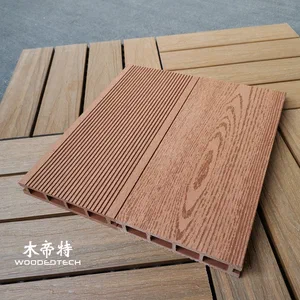 The Classic D14025-4 Red Wood WPC Wood Sheet Features a Timeless 2D Flat Wood Grain Design That Remains Popular After Twenty Years
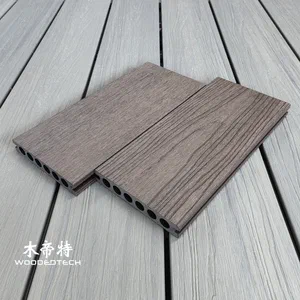 3DGD13823 Second Generation 3D Embossed Rosewood Composite Balcony Decking Delivers Ultra Realistic Wood Grain Texture and a Premium Natural Wood Experience