
Composite Decking Material Pricing: A B2B Industry Cost Analysis for 2026
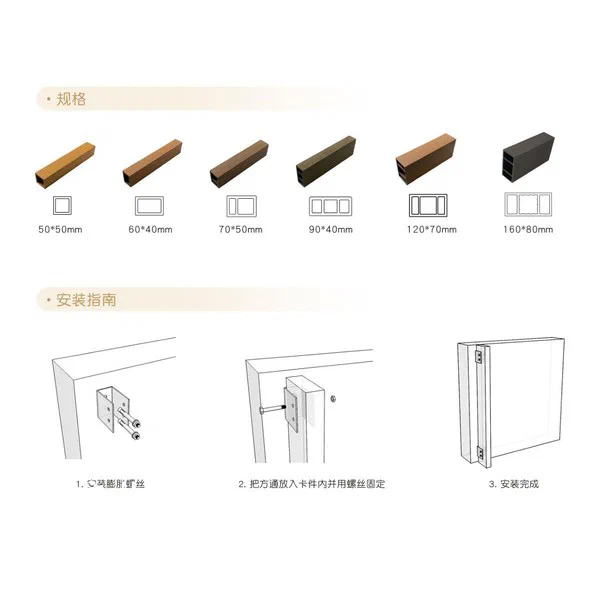
Composite decking material pricing in 2026 is shaped by raw material costs, manufacturing technology, product quality, international freight, and regional demand. For B2B buyers, importers, distributors, and construction material wholesalers, understanding these cost factors is essential to securing competitive purchasing prices while maintaining product performance and profit margins.
2026 Global Composite Decking Market Overview
The global wood plastic composite (WPC) industry continues to benefit from demand for durable, low-maintenance, and environmentally responsible building materials. Residential renovation, commercial landscaping, hospitality development, and outdoor living projects are supporting the adoption of composite decking across major international markets.
Industry forecasts indicate continued expansion. Mordor Intelligence estimates that the global WPC market will reach approximately USD 9.63 billion in 2026, with projected annual growth of 8.64% through 2031. Meanwhile, demand for composite decking and railing is supported by the replacement of traditional timber and increasing investment in outdoor living spaces.

Regional demand patterns differ significantly:
- North America: An established market driven by residential remodeling, premium decking systems, and contractor distribution networks.
- Europe: Demand is supported by sustainability requirements, garden renovation, and growing interest in recyclable exterior materials.
- Asia-Pacific: Rapid urbanization, residential construction, resort development, and expanding manufacturing capacity create substantial growth opportunities.
- Middle East: Hospitality projects, luxury residential developments, and commercial landscaping support demand for weather-resistant outdoor products.
- Latin America: Growing tourism infrastructure and outdoor renovation projects offer opportunities for competitively priced WPC products.
For international suppliers, these differences make regional product positioning and pricing strategies increasingly important.
Key Factors Affecting Composite Decking Material Pricing
Composite decking prices vary according to material composition, production processes, structural design, and surface treatment. Understanding these variables helps wholesale buyers compare supplier quotations accurately.
Raw materials are one of the largest cost components. WPC decking typically combines wood flour or fibers, recycled or virgin plastic polymers, and functional additives. Polyethylene, polypropylene, and PVC formulations have different processing requirements and performance characteristics. Changes in resin prices, recycled plastic availability, wood fiber costs, and additive expenses can directly influence manufacturing costs.
Manufacturing technology also creates significant price differences. Traditional uncapped composite decking generally offers a more economical entry point, while capped and co-extrusion products command higher prices because of their additional protective layers and processing requirements.
Important pricing factors include:
- Material formulation: Polymer type, wood fiber ratio, recycled content, and additive quality.
- Board structure: Hollow, solid, and reinforced profiles have different material consumption and production costs.
- Surface treatment: Embossed wood-grain finishes, brushed textures, and advanced color treatments influence production expenses.
- Protective technology: Capped composite decking and co-extrusion systems offer improved resistance to moisture, staining, and fading.
- Production scale: Larger production runs generally improve manufacturing efficiency and reduce unit costs.
- Customization: Special dimensions, colors, packaging, and OEM specifications can increase quotation prices.
Buyers should evaluate these factors together rather than selecting suppliers based exclusively on the lowest price per board.
Comparing Composite Decking Price Levels in 2026
The market generally falls into three product categories, each targeting different customer segments and project budgets.
| Product category | Typical positioning | Main buyers |
|---|---|---|
| Uncapped WPC decking | Economy | Wholesalers and residential distributors |
| Capped composite decking | Mid-range to premium | Building material importers and contractors |
| Co-extrusion decking | Premium | Commercial developers and high-end distributors |
As a general retail reference, composite decking surface boards in the US market can range from approximately USD 4 to USD 16 per square foot, depending on product type and specifications. This is a consumer-facing material benchmark, not an international factory wholesale quotation.
For B2B procurement, buyers should request factory quotations based on board dimensions, weight per linear meter, material formulation, surface technology, order quantity, and packaging requirements.
The total purchasing cost should also account for inland transportation, export documentation, ocean freight, insurance, customs duties, import taxes, and local distribution expenses. Comparing EXW, FOB, and CIF quotations using consistent specifications provides a more realistic assessment of supplier competitiveness.
Pricing Trends Across WPC Outdoor Building Materials
Composite decking is no longer an isolated product category. International buyers increasingly source complete outdoor building material collections, creating opportunities for manufacturers to supply coordinated solutions.
WPC wall cladding is gaining attention in residential facades, commercial buildings, and hospitality projects. Co-extrusion wall panels, fluted profiles, and wood-grain exterior cladding allow distributors to target customers seeking consistent architectural finishes.
Composite fencing is another promising segment. Privacy fencing, horizontal fence panels, and aluminum-framed composite systems appeal to residential developers and landscape contractors looking for durable alternatives to traditional timber.
Demand for composite pergolas, gazebos, outdoor benches, planters, and decorative screens is also creating opportunities in the wider landscape products market. These products are particularly relevant to resorts, residential communities, public spaces, and commercial outdoor environments.
For manufacturers, offering decking, fencing, cladding, and pergolas through one supply channel can increase average order value, simplify procurement, and strengthen long-term distributor relationships.
Future Market Opportunities for International Buyers and Suppliers
Several developments are likely to influence the competitive landscape beyond 2026.
First, premium product differentiation will become increasingly important. Buyers are showing greater interest in capped composite decking, improved slip resistance, UV-resistant surfaces, realistic wood textures, and more stable outdoor performance. Suppliers investing in extrusion technology and product development can compete on quality rather than relying entirely on low prices.
Second, sustainability will remain an important purchasing consideration. Manufacturers that can demonstrate recycled material content, responsible sourcing, consistent production quality, and relevant environmental certifications will be better positioned to serve environmentally conscious markets.
Third, Asia-Pacific manufacturing capacity creates opportunities for international wholesalers seeking diversified sourcing options. However, factory selection should consider production consistency, quality control, export experience, customization capabilities, and delivery reliability rather than manufacturing location alone.
Finally, private-label and OEM manufacturing offer attractive opportunities for importers developing their own outdoor building material brands. Custom colors, packaging, board profiles, and coordinated product collections can help distributors differentiate their businesses in competitive regional markets.
Building a Competitive B2B Purchasing Strategy for 2026
Successful composite decking procurement requires a balance between purchase price, product performance, and long-term supply reliability. Importers should establish clear technical specifications before requesting quotations and compare samples, production tolerances, installation systems, warranties, and quality inspection procedures.
It is also worth negotiating volume-based pricing, mixed-product container loading, and long-term supply agreements. Combining composite decking with WPC wall cladding, fencing, pergolas, and landscape products can improve container utilization and create additional sales opportunities.
For manufacturers and distributors, the strongest commercial opportunity lies in offering reliable, differentiated outdoor building materials at competitive landed costs. Companies that combine efficient production, consistent quality, flexible OEM services, and a broad product portfolio will be better positioned to capture international demand in the evolving WPC industry.
Related Articles

Related Products
 GD13823-3 Composite Boards for Decking Are Available in Multiple Stock Colors with 3 Meter Lengths and Single Piece Delivery
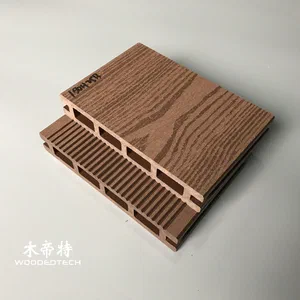 D15025-2 Classic Waterproof Insect Resistant Corrosion Resistant And Termite Resistant Composite Decking Types With Twenty Years Of Sales Experience
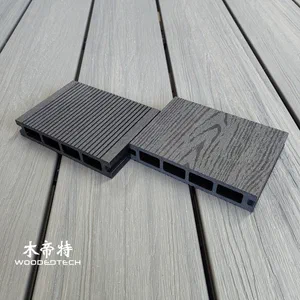 D14025-4 WPC Decking Boards Feature a Flat Wood Grain Surface with Black Ebony Heartwood Ring Grain for Outdoor Applications