
Composite Decking Lengths Provide Flexible Options For Different Outdoor Project Requirements

Designing high-performance outdoor wood plastic composite (WPC) formulas requires a careful balance of various components, including wood fiber content, plastic ratio, additives, and cost control. This balance is crucial for products like decking, wall cladding, fencing, pergolas, and landscape solutions, where durability and aesthetics are paramount.
Key Components in WPC Formulation
The primary ingredients in WPC formulations are wood fibers and plastics. The wood fiber content typically ranges from 30% to 70%, depending on the desired characteristics. A higher wood content can enhance the natural look and feel, but it may also lead to lower resistance to moisture and UV light. On the other hand, increasing the plastic ratio can improve weather resistance and reduce the risk of warping or splintering.
Additives also play a significant role in enhancing the performance of WPC products. Common additives include UV stabilizers, anti-fungal agents, and colorants. These additives help protect the composite from environmental factors that can degrade its appearance and integrity over time.
Cost Control and Product Lifespan
When developing WPC formulas, manufacturers must keep cost control in mind. The choice of wood fiber and plastic types can significantly affect production costs. For example, using recycled plastics can lower costs and appeal to eco-conscious consumers, but it may require careful sourcing to ensure quality.
Balancing cost with performance is essential. A well-designed WPC product should offer a long lifespan, typically exceeding 20 years with proper maintenance. This durability can justify a higher initial investment as it reduces the need for frequent replacements and repairs.
Application-Specific Considerations
Different applications may require specific adjustments in the formulation. For instance, decking products must prioritize slip resistance and durability, while wall cladding might focus more on aesthetic appeal and dimensional stability. Understanding the end-use environment is key to tailoring the composite properties, ensuring that each application meets customer expectations without compromising performance or safety.

Conclusion
The formulation of high-performance WPC products is a complex process that involves a delicate balance between various materials and additives. By carefully considering wood fiber content, plastic ratios, and cost implications, manufacturers can create durable and attractive outdoor solutions that meet diverse project requirements.
FAQ
Q: What is the typical wood fiber content in WPC formulations?
A: Wood fiber content usually ranges from 30% to 70%, depending on the desired properties of the final product.
Q: How can manufacturers control costs when producing WPC?
A: Cost control can be achieved by selecting the right types of wood fibers and plastics, including the use of recycled materials when feasible.
Q: What are the advantages of using WPC for outdoor applications?
A: WPC offers enhanced durability, low maintenance, and resistance to moisture and UV light, making it suitable for various outdoor applications.
Related Articles
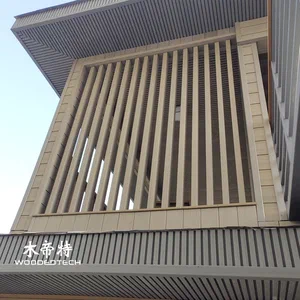 WPC Decking Meaning and Why It Is a Popular Choice for Outdoor Spaces
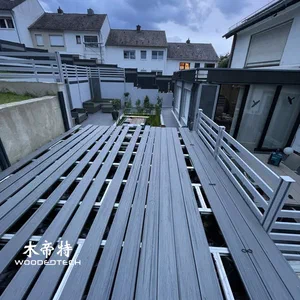 Deck Plastic Wood Combines Natural Appearance with Long Lasting Outdoor Performance
 Durable WPC Outdoor Flooring: High-Performance Weatherproof Decking
 Composite Deck Nosing Provides Professional Edge Finishing Solutions for Outdoor Decking Projects
Related Products
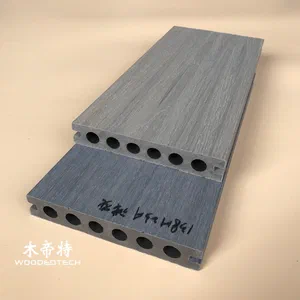 GD13823 Composite Decking Material Features Six Small Round Holes to Reduce Weight While Maintaining Structural Strength
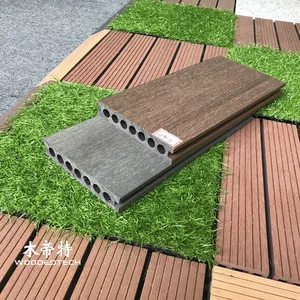 GD13823-2 Wood Versus Composite Decking Features Seven Round Holes with Wood Grain and Brushed Textures on Opposite Sides
 GD14023S Composite Deck Materials Feature a Solid Structure and Side Grooves for Better Adaptability in Extremely Cold Climates