
Composite Decking Lengths: A Guide to Industrial Sourcing and Specifications
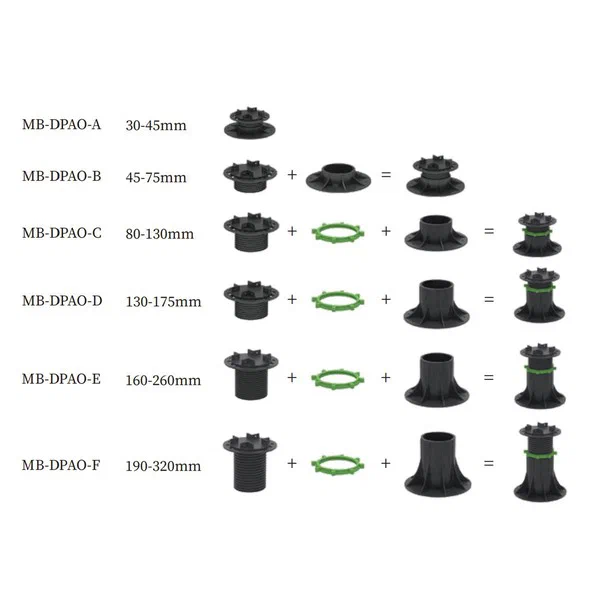
Composite decking lengths are a key specification for overseas buyers sourcing WPC products because they affect shipping efficiency, installation planning, and project costs. Selecting the right supplier requires more than comparing board sizes; buyers should evaluate factory capability, production standards, and customization options before placing bulk orders.
Understanding Composite Decking Length Specifications
Composite decking boards are commonly supplied in standard lengths such as 2.2 m, 2.9 m, 3.6 m, or 4.0 m, while some manufacturers provide customized lengths based on project requirements. The ideal length depends on container loading efficiency, local installation practices, and the final application, including residential decks, commercial walkways, or outdoor landscaping projects.
When reviewing specifications, buyers should confirm:
- Board length, width, and thickness
- Solid or hollow profile structure
- Weight per meter and loading capacity
- Surface treatment, such as wood grain embossing or co-extrusion layers
- Color consistency and production tolerance

A professional WPC factory should provide complete technical data sheets and explain how different lengths influence performance, waste rates, and installation methods.
How to Evaluate a Reliable WPC Factory
Choosing a reliable composite decking supplier requires checking the factory’s manufacturing experience, quality control system, and export capability. Overseas buyers should request factory profiles, production line videos, product samples, and previous project references.
A trustworthy manufacturer should have:
- Stable raw material supply and formula control
- Modern extrusion equipment for consistent board dimensions
- Quality inspection procedures from production to final packing
- Experience handling international shipping requirements
Factory visits or third-party inspections can help verify whether the supplier can maintain consistent quality for long-term orders. A low quotation without strong production control may create problems such as uneven colors, inaccurate dimensions, or higher replacement costs.
Confirming Specifications and Reducing Purchasing Risks
Before production begins, buyers should finalize every detail in a written specification agreement. This should include decking lengths, packaging requirements, acceptable color variation, testing standards, and delivery schedules.
Common purchasing risks include ordering based only on photos, ignoring expansion requirements, and failing to confirm container loading calculations. Experienced suppliers can help buyers select suitable board lengths to reduce cutting waste and maximize shipping space.
For distributors and importers, working with an OEM wood plastic composite supplier that offers flexible production and private labeling support can create long-term advantages. Reliable manufacturers can provide customized profiles, branded packaging, and consistent supply for different markets.
A detailed pre-production confirmation process helps avoid disputes and ensures the delivered composite decking matches the expectations of contractors, retailers, and end users.
FAQ
Q: What composite decking length is best for wholesale orders? A: The best length depends on market demand, shipping limits, and installation preferences. Many buyers choose standard lengths for easier inventory management while using custom sizes for specific projects.
Q: How can buyers check a WPC decking factory’s reliability? A: Buyers should review factory qualifications, production capacity, quality inspection methods, samples, and export experience before cooperation.
Q: Can composite decking lengths be customized? A: Yes, many WPC manufacturers can produce customized lengths according to project requirements, container planning, and installation needs.
Related Articles
Related Products
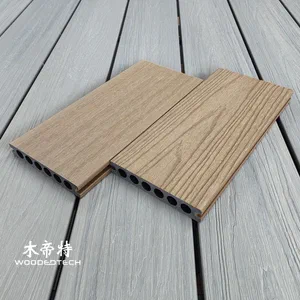 3DGD13823 Second Generation 3D Embossed Teak Decking Composite Material Features Ultra Realistic Wood Grain Texture for Elegant Outdoor Flooring
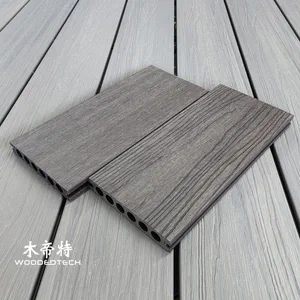 3DGD13823 Second Generation 3D Embossed Walnut WPC Decking Combines Ultra Realistic Wood Grain Texture with the Natural Beauty of Walnut for Outdoor Spaces
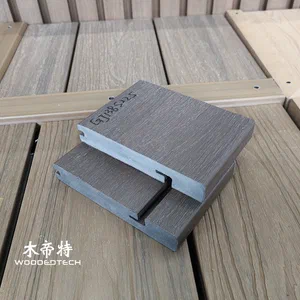 GD13822.5S Fully Capped Solid Starter Wood Polymer Composite Decking Provides a Stable Starting Structure for the First Decking Board