
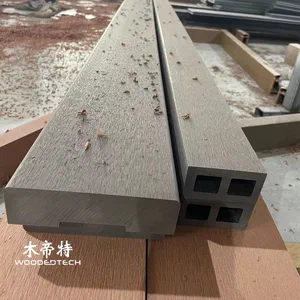
Composite Decking Joists 4m
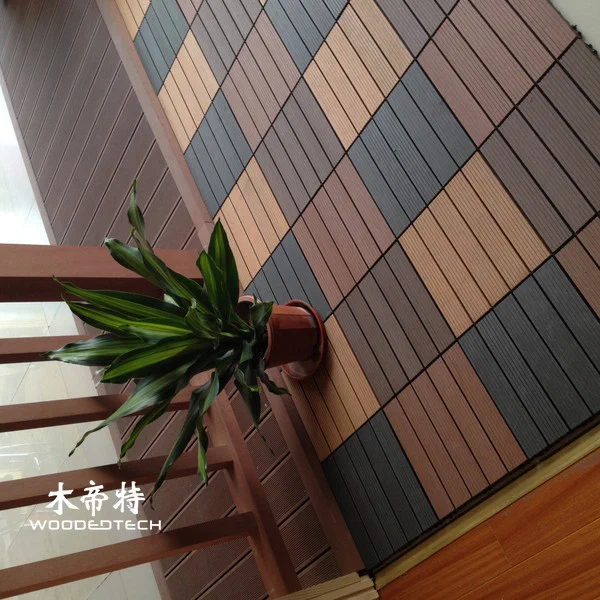
Designing high-performance outdoor wood plastic composite (WPC) formulas for applications such as decking, wall cladding, fencing, pergolas, and landscape products requires a careful balance of various factors. This article focuses on creating an effective formula specifically for composite decking joists of 4 meters in length, emphasizing wood fiber content, plastic ratios, additives, cost control, and product lifespan.
The formulation begins with selecting the right wood fiber type and content. The ideal wood fiber should be sourced from recycled materials to enhance sustainability while maintaining strength and durability. Typically, a wood fiber content between 30% to 70% is used, depending on the desired properties. Higher wood content can improve aesthetics and provide a more natural look, but it may also increase susceptibility to moisture and decay. A balanced approach is crucial to ensure structural integrity and longevity.
Equally important is the plastic component of the formula. Generally, polyethylene or polypropylene is used due to their resistance to moisture and UV radiation. The plastic content should be adjusted to complement the wood fiber, typically ranging from 30% to 70%. This ratio influences the overall performance of the composite, affecting factors such as flexibility, impact resistance, and thermal expansion. A higher plastic ratio can enhance durability and ease of maintenance, while a lower ratio may result in a more natural appearance and better biodegradability.
Additives play a vital role in enhancing the properties of WPC decking. Common additives include:
- UV stabilizers to prevent color fading and degradation.
- Anti-fungal agents to resist mold and mildew growth.
- Flame retardants for improved safety standards.
- Colorants to achieve desired aesthetics.
Selecting high-quality additives can elevate the performance of the decking while also extending its lifespan. However, it’s essential to consider the cost of these additives, as they can significantly impact the final pricing of the product.

Cost control is a critical aspect of WPC formulation development. Manufacturers must balance the quality of raw materials and additives with production costs to remain competitive in the market. Sourcing materials locally can reduce transportation costs and lead to better pricing negotiations. Additionally, optimizing production processes can minimize waste and improve efficiency, contributing to overall cost savings.
The lifespan of composite decking is influenced by multiple factors, including environmental conditions, maintenance practices, and the initial quality of the materials used. A well-designed WPC formula should withstand various weather conditions, resist fading, and require minimal upkeep. Ensuring that the product is manufactured to meet industry standards for durability and performance can significantly enhance its market appeal and customer satisfaction.
Related Articles
 Innovative Applications of Plastic Wood Cover in Industrial Manufacturing: 2023 Insights
 Optimizing WPC's: The Future of Composite Materials in Industrial Applications
 The Advantages of Composite Decking Timber Frame Solutions for Industrial Applications
 Understanding Composite Decking Boards Sizes: A Comprehensive Guide for 2023
Related Products
 GD13820 M Shape Co Extruded Composite Deck Planks Feature a Special Profile Design for Distinctive Outdoor Decking Applications
 GD13823-3 Composite Boards for Decking Are Available in Multiple Stock Colors with 3 Meter Lengths and Single Piece Delivery
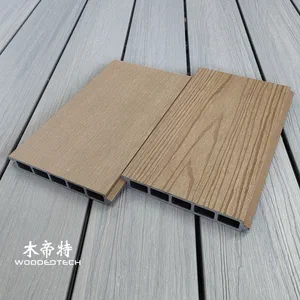 3DGL18024 WPC Longboard Fence Features Premium Co Extruded 3D Embossed Teak Wood Grain Texture with Realistic Natural Wood Fibers