
Composite decking instructions help installers complete outdoor flooring projects correctly
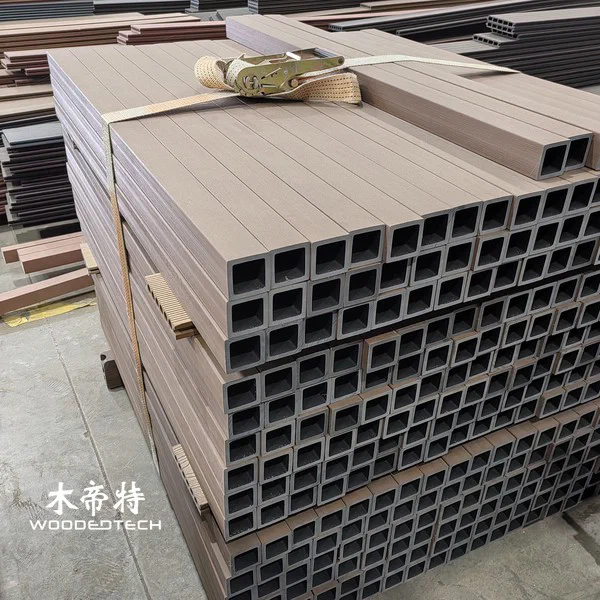
Composite decking and WPC wall cladding only perform well when the substructure, fixing pattern, and movement gaps are handled correctly. These materials are forgiving in service, but they still need accurate installation to avoid board lift, noise, water traps, and surface damage.
1. Prepare the subframe
Start with a level, stable base. For decking, use pressure-treated timber, aluminum, or approved composite joists set on firm supports with enough drainage below them. Keep the frame square, check the span against the board supplier’s limits, and never lay boards directly on soil or uneven concrete.
For wall cladding, make sure the backing battens are straight, dry, and fixed securely to the wall. Leave ventilation behind the system so moisture can escape. If the wall is exposed to driving rain, use a breathable membrane and confirm the fixing points are sound before you start.
2. Fix the boards correctly
Use the fastening system specified for the product. Hidden clips are common for composite decking boards because they give a clean surface and allow movement. Face fixing may be used at edges, steps, and trim areas, but holes should be drilled cleanly and not over-tightened.

On wall cladding, follow the manufacturer’s clip or tongue-and-groove method so each board locks evenly. Keep all rows aligned, and check level frequently. Fasteners should hold the board securely without pinching it, because WPC expands and contracts with temperature changes.
3. Leave expansion gaps and cut carefully
Expansion gaps are not optional. Leave space at board ends, against walls, and around posts so the system can move without buckling. The exact gap depends on board length, color, and local temperature, so follow the product data rather than guessing.
When cutting, use a fine-tooth blade and support the board fully to reduce chipping. Cut slowly and keep the saw clean. Seal or trim exposed cut ends where the manufacturer recommends it, especially on visible edges and around wall panel terminations.
4. Finish with inspection and maintenance
Walk the installation and check for loose clips, uneven joints, and trapped debris. Make sure water can drain away from the deck and that wall cladding is not blocking ventilation points. A proper final check prevents most early-service problems.
Maintenance is simple:
- Sweep off grit and leaves regularly
- Wash with mild soap and water
- Remove stains quickly before they set
- Do not use harsh solvents or abrasive pads
- Inspect fixings and trim after severe weather
FAQ
Q: Can composite decking be installed on existing concrete? A: Yes, if the surface is sound, level, and allows drainage. Use a proper sleeper or joist system so the boards are never fixed directly to concrete.
Q: How much gap should be left between composite boards? A: Leave the gap required by the supplier, because expansion varies by profile and climate. Using a consistent spacer during installation helps keep joints uniform.
Q: Do WPC wall cladding boards need ventilation behind them? A: Yes, most systems need an օդ gap or batten cavity to control moisture and heat. Ventilation helps the cladding stay straight and perform longer.
Related Articles
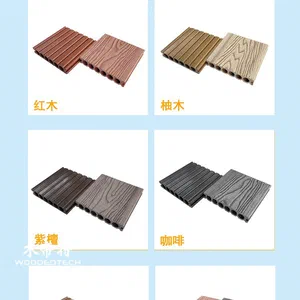 Composite decking questions help customers understand materials installation and maintenance requirements
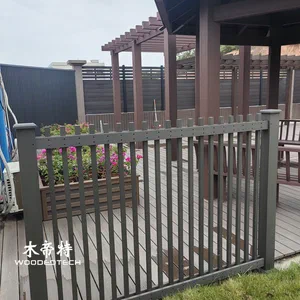 Composite decking spacing guidelines ensure proper installation and long term outdoor performance
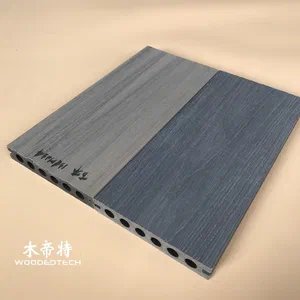 Joists for composite decking provide stable support systems for outdoor deck installation
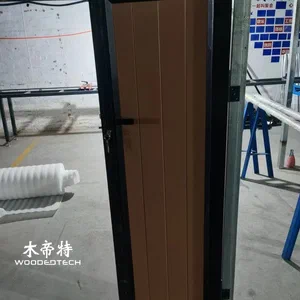 Composite decking 3mm hidden fasteners provide neat installation solutions for seamless outdoor deck surfaces
Related Products
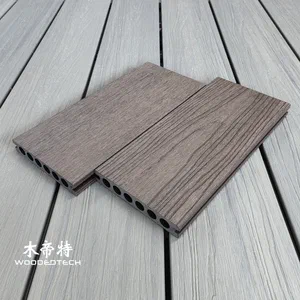 3DGD13823 Second Generation 3D Embossed Rosewood Composite Balcony Decking Delivers Ultra Realistic Wood Grain Texture and a Premium Natural Wood Experience
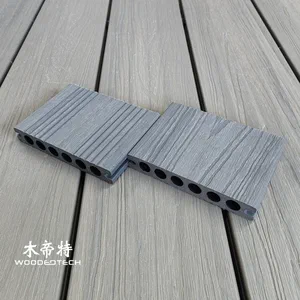 GD13823-3 Light Grey Premium Co Extrusion WPC Composite Decking Offers LG Texture and Excellent UV Resistance for Outdoor Spaces
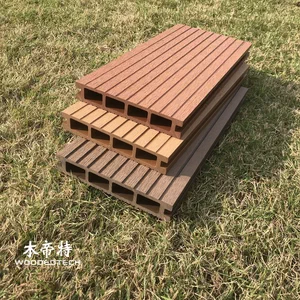 D14025-3 Square Hole Double Sided Grooved WPC Board Factory Producing Outdoor Decking Boards With Good Slip Resistance