
Composite Decking Heat Resistant Performance for Comfortable Outdoor Living Areas
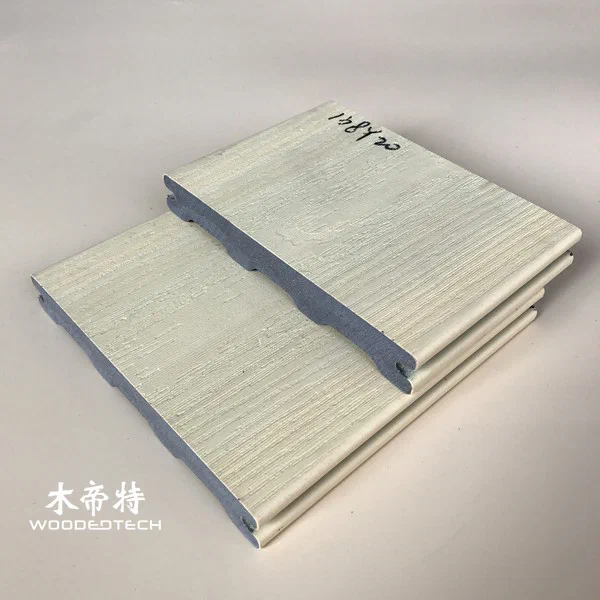
Composite decking heat resistant performance matters for any outdoor project where comfort, safety, and long service life are priorities. For hotels, resorts, restaurants, property developers, and landscape contractors, the right decking choice helps keep pool decks, terraces, and rooftop areas more usable during hot weather.
Composite decking is designed to outperform traditional timber in stability and maintenance, but heat resistance depends on material formulation, color, surface texture, and installation details. Darker boards absorb more solar heat, while lighter shades and capped surfaces can reduce surface temperature gain. Proper ventilation under the deck, correct joist spacing, and avoiding trapped heat beneath enclosed structures also improve comfort in real-world use.
What Affects Heat Performance
In B2B outdoor projects, heat resistance is not just about how hot the board feels at midday. It also affects dimensional stability, barefoot comfort, and how well the surface holds up around pools, courtyards, and commercial seating zones. High-quality capped composite decking typically offers better resistance to UV exposure, staining, and moisture, which supports consistent performance in demanding climates.
Key factors buyers should evaluate include:
- board color and solar absorption
- capped vs uncapped surface protection
- slip resistance for wet areas
- board thickness and profile
- local climate and sun exposure
- installation airflow and substructure design
Choosing the Right Product for Comfortable Outdoor Living
For projects where user comfort is a selling point, product selection should balance appearance and temperature control. Light wood tones, textured finishes, and best capped composite decking options are often preferred for hospitality and residential amenity spaces because they help soften direct heat and provide a premium look. In poolside applications, pairing decking with shaded zones, pergolas, or partial cover can improve usability during peak summer hours.
Buyers should also compare composite decking durability alongside heat performance. A board that stays structurally stable under high temperature is more reliable than one that merely looks attractive in a catalog. For large-scale procurement, requesting sample boards for field testing is a practical way to assess surface feel, fade resistance, and overall performance before placing volume orders.
Commercial Value for Export and Wholesale Buyers

For distributors and project specifiers, heat-resistant composite decking supports stronger customer satisfaction and fewer complaints after installation. It is especially suitable for outdoor living areas where barefoot comfort, low maintenance, and long-term appearance matter. As with any exterior material, performance should be matched to the project’s design, budget, and climate rather than selected on looks alone.
When sourced from a trusted supplier, composite decking can provide a dependable, marketable solution for modern outdoor spaces, from private villas to commercial terraces. Clear technical data, sample support, and consistent production quality are what turn a good product into a repeatable business offer.
FAQ
Q: Is composite decking cooler than wood in direct sun? A: Not always. Composite decking can feel warmer than some woods in strong sun, but lighter colors, capped surfaces, and good airflow can improve comfort.
Q: What is the best composite decking for hot climates? A: Light-colored capped composite decking is often a strong choice because it offers better UV protection and a more stable surface finish.
Q: How can installers reduce heat buildup under decking? A: Use proper substructure ventilation, avoid enclosed cavities, and consider shade elements such as pergolas or canopies.
Related Articles
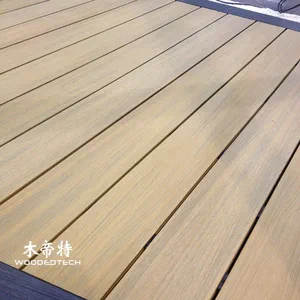
Related Products
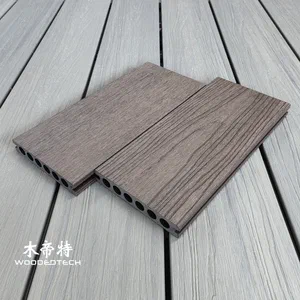 3DGD13823 Second Generation 3D Embossed Rosewood Composite Balcony Decking Delivers Ultra Realistic Wood Grain Texture and a Premium Natural Wood Experience
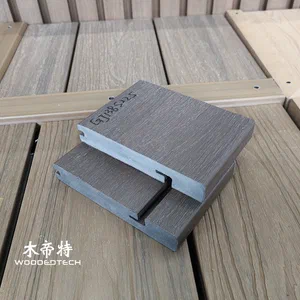 GD13822.5S Fully Capped Solid Starter Wood Polymer Composite Decking Provides a Stable Starting Structure for the First Decking Board
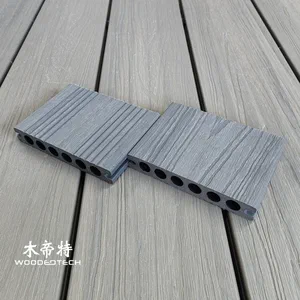 GD13823-3 Light Grey Premium Co Extrusion WPC Composite Decking Offers LG Texture and Excellent UV Resistance for Outdoor Spaces