
Composite decking hardware: Industrial solutions for 2026
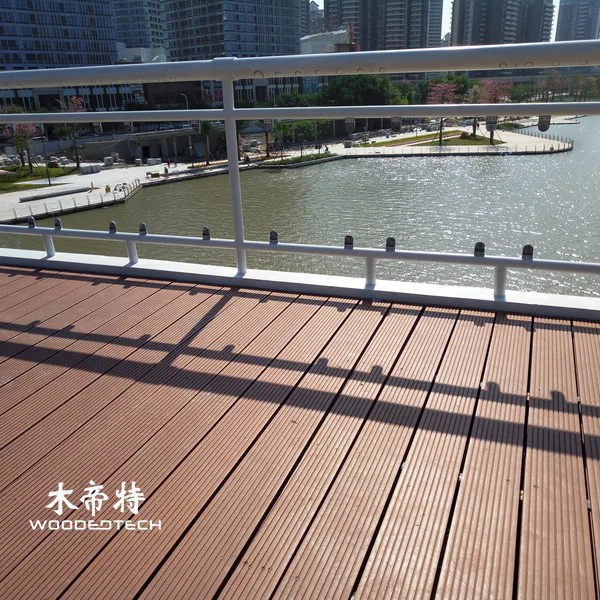
Composite decking hardware solutions in 2026 depend heavily on the engineering of the WPC profile itself. Profile geometry, internal structure, rib layout, and surface design directly affect load capacity, material efficiency, production cost, and installation reliability.
Profile design: balancing strength and manufacturing efficiency
For industrial composite decking production, the extrusion profile is the foundation of product performance. Engineers adjust wall thickness, width, height, and internal cavities to achieve the required strength while controlling raw material consumption. A well-designed profile can reduce weight without sacrificing bending resistance, making transportation and installation easier.
Hollow structures are widely used in WPC decking because they provide a favorable strength-to-weight ratio. Internal chambers reduce material usage and lower production costs while maintaining sufficient support for residential and commercial applications. However, hollow profiles require careful rib placement because weak internal designs may create deformation under long-term loads.
Solid structures provide higher density and impact resistance. They are often selected for heavy-traffic areas, public projects, stairs, and applications where installers need stronger fixing performance. The additional material increases cost and weight, but it offers better stability and easier machining during installation.
Rib designs and internal reinforcement
Rib design is a key factor in WPC extrusion mold development. Internal ribs increase stiffness by distributing stress across the profile, especially when the decking board experiences concentrated loads. Proper rib spacing prevents excessive bending while maintaining efficient material usage.
Different projects require different reinforcement strategies. A commercial deck may need thicker ribs and stronger screw-holding areas, while a residential deck can use a lighter structure to improve cost efficiency. Mold engineers also consider expansion, contraction, drainage, and compatibility with clips or hidden fastening systems when designing the internal structure.
Composite decking hardware performance is closely connected to these design choices. A profile that matches the correct clips, fasteners, and support systems allows faster installation and reduces the risk of movement or surface damage.
Surface patterns and functional performance
Surface treatment is not only about appearance. Embossed textures, wood grain patterns, and anti-slip structures influence traction, maintenance, and customer perception. A deeper pattern can improve grip in outdoor environments, but excessive texture may increase production complexity and cleaning difficulty.
Modern WPC extrusion designs combine realistic wood appearance with practical performance. Mold precision determines whether the surface pattern remains consistent across large production volumes. For manufacturers, optimizing texture depth, cooling processes, and mold durability helps control quality and long-term costs.

Industrial composite decking solutions in 2026 focus on creating profiles that balance aesthetics, durability, installation speed, and manufacturing efficiency. By selecting the right combination of hollow or solid structures, reinforcement ribs, and surface designs, WPC manufacturers can develop products that meet different market requirements while maintaining competitive production costs.
FAQ
Q: How do hollow and solid WPC decking profiles differ? A: Hollow profiles use less material and reduce weight, while solid profiles provide higher density, impact resistance, and stronger fixing performance.
Q: Why are ribs important in WPC extrusion molds? A: Ribs improve internal strength, reduce deformation, and help optimize material usage during production.
Q: Do surface patterns affect composite decking performance? A: Yes. Surface textures influence slip resistance, maintenance requirements, appearance, and overall outdoor usability.
Related Articles
 Composite Decking 4 x 4 Provides Flexible Structural Options for Outdoor Construction Projects
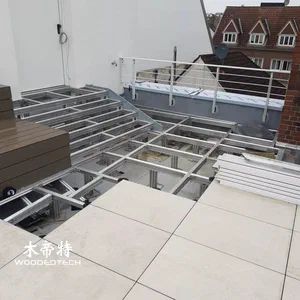 2x6 composite decking provides a practical size option for residential and commercial outdoor decks
 WPC hollow decking offers lightweight outdoor flooring solutions with customizable surface textures
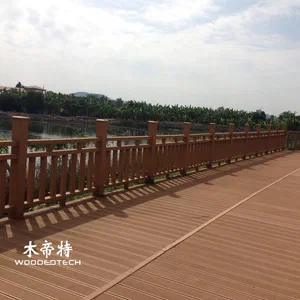 Composite Decking Kits 5m x 3m: Industrial Supply Guide 2026
Related Products
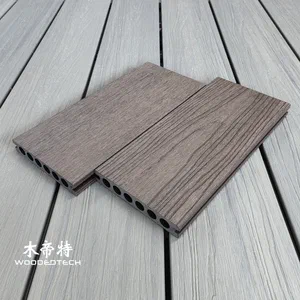 3DGD13823 Second Generation 3D Embossed Rosewood Composite Balcony Decking Delivers Ultra Realistic Wood Grain Texture and a Premium Natural Wood Experience
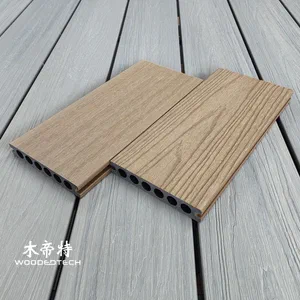 3DGD13823 Second Generation 3D Embossed Teak Decking Composite Material Features Ultra Realistic Wood Grain Texture for Elegant Outdoor Flooring
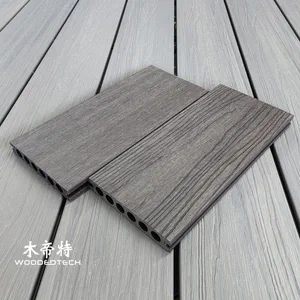 3DGD13823 Second Generation 3D Embossed Walnut WPC Decking Combines Ultra Realistic Wood Grain Texture with the Natural Beauty of Walnut for Outdoor Spaces