
composite decking framework provides a stable foundation system for outdoor deck installation
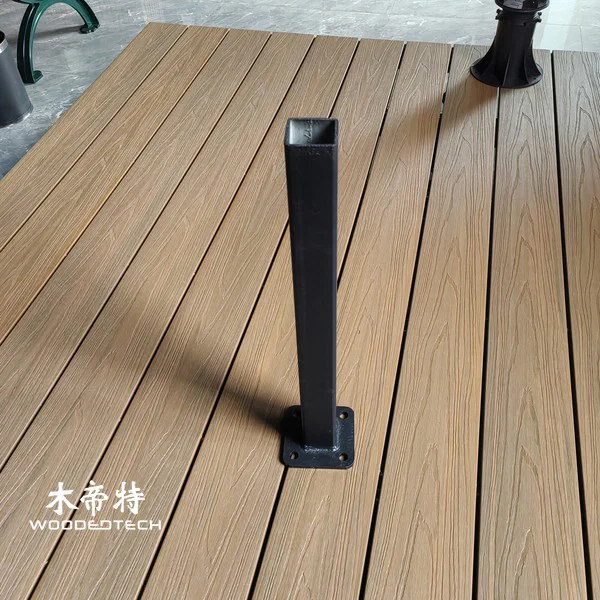
Composite decking framework is the structural base that keeps an outdoor deck level, rigid, and safe under daily use. Its performance depends on the profile design, whether the board is hollow or solid, how ribs are arranged inside the section, and the surface pattern chosen for traction and appearance.
How profile design shapes deck performance
In WPC extrusion mold design, the profile is the first decision that controls everything else. A wider profile can improve load distribution and reduce the number of support points needed, while a slimmer profile may lower material use and shipping weight. For outdoor decking projects, the profile must also match joist spacing, fastening method, and the expected span between supports.
A well-designed profile helps the board stay dimensionally stable in heat, moisture, and long-term service. That matters on a deck framework because any unwanted deflection or twist can create uneven walking surfaces and increase installation time.
Hollow vs. solid structures
Hollow WPC profiles are popular when weight and cost are priorities. They use less material, so they are easier to carry, cut, and install on larger projects. They also reduce freight costs, which can be a real advantage for export orders. The tradeoff is that hollow boards need careful internal support design to avoid crushing, weak screw-holding, or vibration under load.
Solid structures provide higher strength and a more substantial feel. They are better suited for high-traffic areas, stairs, edging, and locations where installers need stronger fastening performance. Solid boards are heavier and usually more expensive, but they give a more forgiving installation process and better impact resistance.
Why rib design matters
Internal ribs are the hidden part of the profile that controls stiffness. Good rib layout improves bending resistance without adding too much weight. If ribs are too thin or too widely spaced, the board may sag between joists or show surface deformation over time.
From a mold engineering view, rib geometry also affects cooling and extrusion stability. Balanced ribs help reduce shrinkage differences, keep wall thickness uniform, and support cleaner cutting and drilling on site. For deck frameworks, this means easier alignment and a lower risk of installation problems.
Surface patterns and installation performance
Surface treatment affects more than looks. Grooved, embossed, or wood-grain patterns can improve slip resistance and make the deck feel more natural. A textured surface can also hide minor scratches and reduce visible wear in outdoor use.
However, surface pattern depth must be controlled carefully. If it is too aggressive, cleaning becomes harder and dirt can build up in the texture. If it is too shallow, the board may lose grip in wet conditions. The best pattern balances appearance, safety, and maintenance.
Choosing the right structure for the project

For a stable foundation system, the right choice depends on where the deck will be used and how it will be installed:
- Hollow profiles: lighter, more economical, easier for large-area decking
- Solid profiles: stronger, better for heavy loads and stair applications
- Rib-reinforced profiles: ideal when stiffness and material efficiency must both be controlled
- Textured surfaces: improve slip resistance and user comfort
A good composite decking framework is not just about using WPC material. It is about matching profile geometry, internal reinforcement, and surface design to the real demands of outdoor installation.
FAQ
Q: Are hollow WPC decking boards strong enough for outdoor decks? A: Yes, if the profile is properly ribbed and installed over the correct joist spacing. They are best for standard residential decks and light to medium traffic.
Q: Why are solid WPC boards used for some decking projects? A: Solid boards offer better strength, impact resistance, and fastener holding. They are often chosen for stairs, commercial areas, and heavy-load zones.
Q: Does surface texture affect deck safety? A: Yes, the right texture improves grip in wet conditions and supports safer walking. It also affects cleaning, appearance, and long-term wear.
Related Articles
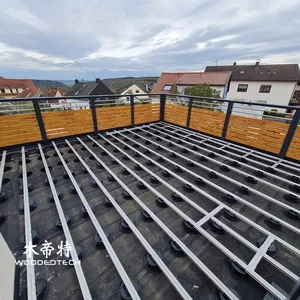 buy wpc decking plank from a professional manufacturer for customized outdoor decking solutions
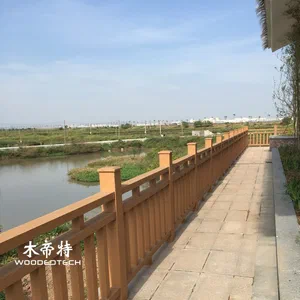 composite decking clearance provides affordable options for outdoor renovation projects
 core decking wpc provides a stable outdoor flooring solution with reliable composite performance
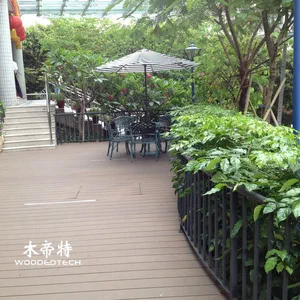 labor cost to install composite decking varies based on project size design and installation conditions
Related Products
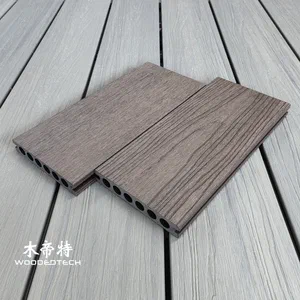 3DGD13823 Second Generation 3D Embossed Rosewood Composite Balcony Decking Delivers Ultra Realistic Wood Grain Texture and a Premium Natural Wood Experience
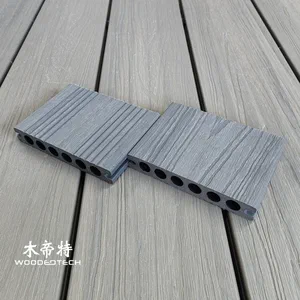 GD13823-3 Light Grey Premium Co Extrusion WPC Composite Decking Offers LG Texture and Excellent UV Resistance for Outdoor Spaces
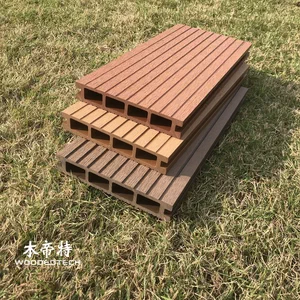 D14025-3 Square Hole Double Sided Grooved WPC Board Factory Producing Outdoor Decking Boards With Good Slip Resistance