
Composite Decking for Mobile Homes: Durable Solutions for Modern Housing
Mobile homes need outdoor decking that can withstand changing weather, regular use, and the practical demands of modern residential living. Composite decking offers a durable, low-maintenance alternative to traditional timber, making it suitable for mobile home entrances, front porches, outdoor steps, patios, and surrounding living spaces. With a range of colors, textures, and installation profiles, wood plastic composite (WPC) decking can improve both the appearance and functionality of mobile home outdoor areas.
Why Composite Decking Works Well for Mobile Homes
Mobile homes often have limited outdoor space, so every exterior feature needs to be practical and well-designed. Traditional wood decking can require frequent staining, sealing, and repairs, particularly when exposed to rain, sunlight, and temperature changes. Composite decking is manufactured using a combination of wood fibers and polymers, creating boards designed for outdoor exposure with less routine maintenance.
For mobile home applications, WPC decking offers several practical advantages:
- Weather resistance: Quality composite boards are designed to resist moisture absorption, cracking, and splintering under normal outdoor conditions.
- Low maintenance: Regular cleaning with water and a suitable cleaning solution is generally sufficient to maintain the surface.
- Consistent appearance: Factory-produced colors and wood-grain textures create a uniform finish across porches, steps, and patios.
- Reduced maintenance costs: Homeowners can spend less time on sanding, painting, and sealing compared with conventional timber.
- Design flexibility: Different board profiles, colors, and surface finishes make it easier to coordinate decking with mobile home exterior finishes.
For properties exposed to strong sunlight or frequent rainfall, capped or co-extrusion composite decking is worth considering. These products feature an additional protective polymer layer that helps improve resistance to moisture, staining, and fading. However, actual performance depends on the product specification and installation quality.
Best Outdoor Applications Around Mobile Homes
Front Porches and Entrance Platforms
A front porch is one of the most useful additions to a mobile home. It provides a comfortable transition between indoor and outdoor spaces while creating an attractive entrance. Composite deck boards can be installed as a raised platform, a small seating area, or an extended porch connected to the main entrance.
For these applications, choose boards with a suitable load rating and a slip-resistant surface. Matching composite railing can improve the appearance of the entrance while providing additional support. If the porch is elevated, the supporting frame, foundations, stairs, and guardrails must be independently designed to meet applicable building requirements.
Outdoor Steps and Access Areas
Steps are essential for many mobile homes, particularly those positioned above ground level. Composite decking can be used for stair treads, landings, and connecting platforms to create a consistent exterior design.
For better safety, select textured or slip-resistant boards and consider contrasting colors along stair edges. The supporting structure should provide adequate strength and stability, with appropriate nosing details and secure fastening. Composite boards should not be treated as a substitute for a properly engineered stair support system.
Patios and Outdoor Living Spaces
A composite patio creates additional usable space for dining, relaxing, and entertaining. Even a relatively small mobile home can benefit from a compact deck that accommodates outdoor furniture, planters, and a barbecue area.
For limited spaces, lighter decking colors can help create a more open visual effect, while darker wood-grain finishes provide a contemporary appearance. Modular composite deck tiles may also be suitable for certain existing hard surfaces, provided the substrate is stable, level, and properly drained.
Balconies and Side Extensions
Some modern mobile home designs include side platforms, balconies, or extended outdoor walkways. WPC decking can provide a coordinated surface across these areas while maintaining a consistent appearance with the main entrance.
Before installation, check the supporting structure’s load capacity, ventilation, drainage, and movement requirements. Composite decking expands and contracts with temperature changes, so installers must follow the manufacturer’s recommended expansion gaps and fixing specifications.

Choosing the Right Composite Decking for Mobile Home Projects
Not every composite decking product is suitable for every outdoor environment. Product selection should consider the local climate, expected foot traffic, installation height, and maintenance requirements.
For residential mobile homes, hollow composite boards can be a practical choice for suitable applications where reduced weight and material efficiency are important. Solid composite decking may be preferable where the project requires a particular structural arrangement or more substantial board construction. Neither profile should be assumed to provide greater load capacity without checking its tested specifications and support requirements.
Surface treatment is another important consideration. Embossed wood-grain finishes provide a natural timber appearance, while co-extrusion decking offers an additional protective surface layer. For exposed entrances, stairs, and frequently used walkways, prioritize tested slip resistance rather than selecting a product based on appearance alone.
Color selection should also complement the mobile home’s exterior. Grey, light oak, and natural brown are versatile options for contemporary housing, while darker finishes can create a more distinctive architectural appearance.
Professional Installation Considerations
Correct installation is essential to achieving long-term performance. Before installing composite decking around a mobile home, the project team should assess ground conditions, drainage, structural support, and the connection between the deck and the building.
A suitable installation approach includes:
- Preparing a stable and level foundation or support system.
- Selecting joists and framing materials suitable for outdoor exposure.
- Following the manufacturer’s maximum joist spacing and board span specifications.
- Leaving the specified expansion gaps at board ends, edges, and fixed structures.
- Using compatible clips, screws, and accessories to prevent loose connections.
- Providing adequate airflow beneath the deck to reduce moisture accumulation.
- Maintaining appropriate drainage so rainwater does not collect around the mobile home’s foundation or underside.
One important consideration is that mobile homes may move slightly due to foundation settlement, transport-related requirements, or changes in ground conditions. Therefore, an attached deck should not automatically be fixed rigidly to the home. Where independent support is appropriate, the decking structure should be designed to accommodate differential movement and comply with local regulations.
Building codes, permit requirements, handrail dimensions, stair geometry, and guardrail heights vary by location. Projects in the United States should also consider applicable local manufactured-housing and building requirements before construction begins.
A Practical Long-Term Investment for Modern Housing
Composite decking gives mobile home owners a practical way to expand outdoor living space without taking on the regular maintenance associated with traditional timber. From compact entrance platforms and garden patios to extended walkways and outdoor seating areas, WPC decking can support a wide range of residential applications.
For distributors, contractors, and mobile home manufacturers, offering different board profiles, surface finishes, colors, and matching railing accessories also creates opportunities to develop coordinated exterior packages. Selecting products with verified performance data, reliable installation guidance, and suitable warranty coverage helps ensure that each project meets its intended requirements. With appropriate product selection and professional installation, composite decking can become a durable and attractive part of modern mobile home design.
Related Articles
 Replacing Old Deck Boards with Composite: A Guide to Durable Decking Solutions
 Composite Decking and Installation Provide Complete Solutions for Building Durable Outdoor Floors
 How To Use WPC decking blog Information For Better Outdoor Project Planning
 DIY Composite Decking Guide for Easy Outdoor Deck Installation
Related Products
 GD13820 M Shape Co Extruded Composite Deck Planks Feature a Special Profile Design for Distinctive Outdoor Decking Applications
 GD13823-3 Composite Boards for Decking Are Available in Multiple Stock Colors with 3 Meter Lengths and Single Piece Delivery
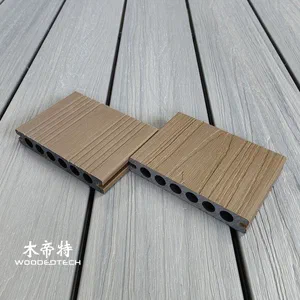 GD13823-3 Teak TK Co Extruded Decking Is a Popular Choice from Composite Decking Suppliers for Outdoor Flooring Projects