
Composite Decking Examples: Industrial Applications and Material Selection Guidelines
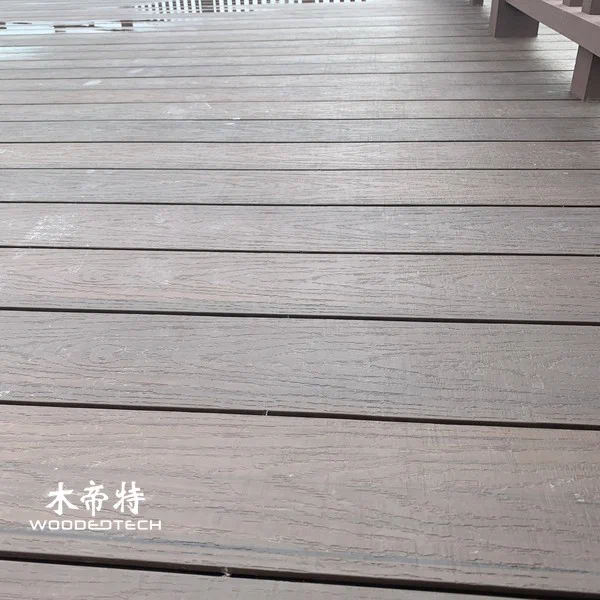
Outdoor composite decking is used in residential, commercial, and public environments where weather resistance, consistent appearance, and manageable maintenance are important. Selecting the right wood plastic composite (WPC) decking requires matching board construction, surface texture, load capacity, drainage, and installation methods to the demands of each application.
Residential Gardens and Balconies
In residential gardens, WPC decking creates defined outdoor living areas for dining, relaxation, and entertaining. It works well around patios, garden pathways, raised platforms, and outdoor seating zones. Homeowners can choose wood-grain finishes and natural colors to complement landscaping, garden furniture, and exterior walls.

For balconies, lightweight installation systems and modular deck tiles can simplify upgrades, particularly where existing surfaces must remain accessible. Before installation, confirm the balcony’s permitted dead load, drainage outlets, waterproofing condition, and required movement gaps. Decking should not obstruct drainage or be fixed through a waterproof membrane without an approved detail.
Hotels, Commercial Landscapes, and Public Parks
Hotels and resorts often use composite decking for poolside lounges, outdoor restaurants, terraces, and garden walkways. Commercial landscapes may also incorporate WPC boards into courtyards, pedestrian routes, and seating areas. These applications benefit from coordinated colors, repeatable dimensions, and a uniform finish across large installations.
Public parks and recreational facilities typically experience heavier foot traffic, frequent cleaning, and exposure to changing weather. Specify boards and substructures rated for the intended traffic and loading conditions. For long spans, elevated platforms, or areas accessible to maintenance vehicles, obtain verified load data rather than assuming standard residential decking is suitable. Allow sufficient access beneath raised decks for inspection and cleaning.
Swimming Pool Areas and Public Facilities
Swimming pool surrounds require particular attention to slip resistance, moisture exposure, drainage, and barefoot comfort. Choose decking with documented slip-resistance performance under relevant wet conditions, and assess the surface temperature in locations exposed to intense sunlight. Chlorinated water, cleaning chemicals, and standing water should be considered when reviewing manufacturer compatibility guidance.
For public facilities, including promenades, visitor centers, outdoor recreation areas, and accessible walkways, specify stable substructures, secure fastening systems, and suitable edge details. Stair treads, ramps, handrails, and transitions must comply with applicable local building and accessibility requirements. WPC decking alone does not guarantee code compliance or eliminate slip hazards.
Material Selection and Application Guidelines
The main material options differ in surface protection, construction, and suitability for demanding environments.
- Uncapped composite decking: Often a practical choice for residential gardens and sheltered outdoor areas where budget is a priority.
- Capped composite decking: Features a protective outer layer that can improve resistance to staining, moisture absorption, and fading, depending on product specifications.
- Co-extruded WPC decking: Uses an outer polymer layer designed for additional surface protection, making it worth evaluating for exposed commercial and poolside applications.
- Solid composite decking: May suit applications requiring greater material density, but actual load capacity depends on the board profile, span, support spacing, and installation design.
Before purchasing, compare technical data sheets covering water absorption, UV resistance, slip performance, fire classification where required, dimensional tolerances, and warranty conditions. Also verify joist spacing, expansion gaps, ventilation, fastening compatibility, and maintenance requirements. For B2B projects, request samples and test reports before approving large-volume orders, especially when products will be installed across multiple sites.
FAQ
Q: Is WPC decking suitable for commercial projects?
A: Yes, provided the selected product and supporting structure meet the project’s traffic, loading, fire, slip-resistance, and durability requirements.
Q: Which composite decking is best for swimming pool areas?
A: Capped or co-extruded decking may be suitable, but selection should be based on verified wet slip-resistance data, drainage design, surface temperature, and chemical compatibility.
Q: What should importers check before ordering WPC decking in bulk?
A: Review product specifications, test reports, installation instructions, color consistency, packaging, warranty terms, and compliance requirements for the destination market.
Related Articles
Related Products
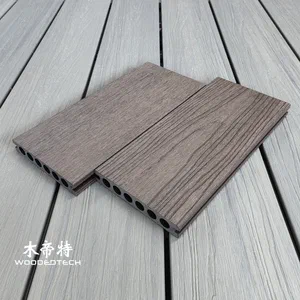 3DGD13823 Second Generation 3D Embossed Rosewood Composite Balcony Decking Delivers Ultra Realistic Wood Grain Texture and a Premium Natural Wood Experience
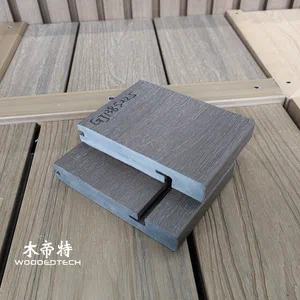 GD13822.5S Fully Capped Solid Starter Wood Polymer Composite Decking Provides a Stable Starting Structure for the First Decking Board
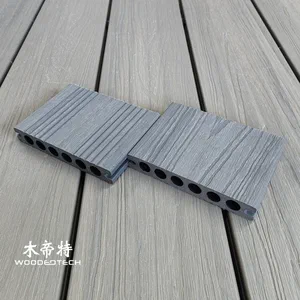 GD13823-3 Light Grey Premium Co Extrusion WPC Composite Decking Offers LG Texture and Excellent UV Resistance for Outdoor Spaces