
Composite Decking Decks: Key Considerations for Commercial Projects
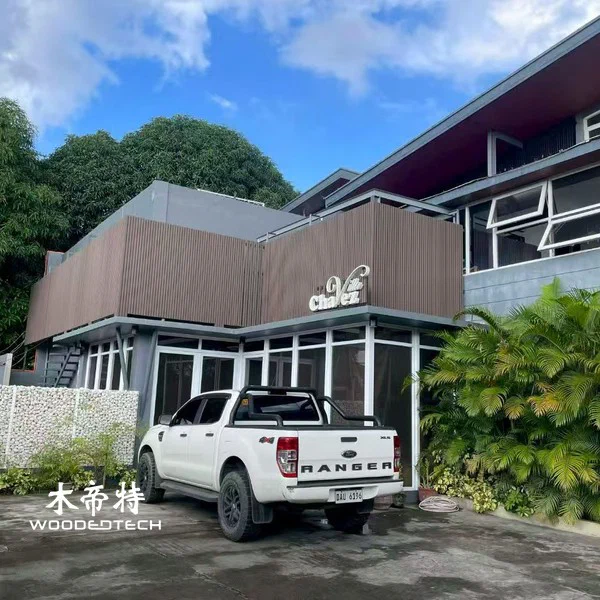
Composite decking decks are a practical exterior flooring solution for commercial projects where durability, appearance, and long-term maintenance costs must be balanced. Compared with natural wood, timber, aluminum, and other outdoor materials, wood plastic composite decking offers a stable, low-maintenance option for hotels, public spaces, restaurants, and commercial landscapes.
Material comparison for commercial outdoor decks
Natural wood provides a premium appearance and authentic texture, making it popular for luxury outdoor areas. However, it requires regular sealing, staining, and protection against moisture, insects, UV exposure, and decay. Timber species such as hardwood can offer strong performance, but high-quality materials often come with higher purchase costs and ongoing maintenance expenses.
WPC decking combines wood fibers and recycled polymers to create a material designed for outdoor conditions. It resists moisture, cracking, splintering, and insect damage better than traditional wood. Unlike aluminum decking, which is highly durable but can feel less natural and may become hot under direct sunlight, WPC provides a wood-like appearance with improved comfort underfoot.
Compared with concrete, stone, and ceramic outdoor flooring, composite decking offers easier installation and a warmer visual effect. These traditional materials may provide excellent strength but can involve heavier structures, more complex installation, and higher labor requirements for renovations or commercial upgrades.
Advantages and limitations of composite decking
For commercial applications, outdoor wpc decking is valued for consistent performance and reduced maintenance needs. Key benefits include:

- Resistance to rot, moisture, and everyday weather exposure
- Lower maintenance compared with natural wood
- Wide selection of colors, textures, and wood grain finishes
- Better slip resistance options for public areas
- Long service life with proper installation
However, composite decking also has limitations. Initial costs are usually higher than basic timber products, and lower-quality boards may experience fading, expansion, or surface issues over time. Choosing reliable composite decking manufacturers and suitable product grades is important for projects with heavy foot traffic.
Lifecycle cost considerations
Commercial buyers should evaluate total lifecycle costs rather than only the initial material price. Wood may appear affordable at installation but can require frequent cleaning, coating, repairs, and replacement of damaged boards. Aluminum has excellent longevity and minimal maintenance, but its higher material cost and different appearance may not suit every design concept.
WPC decking typically delivers value through reduced maintenance labor, fewer repairs, and stable appearance over many years. Capped composite decking can provide additional protection with a polymer surface layer that improves resistance to stains, moisture, and color fading, making it suitable for demanding commercial environments.
For architects, developers, and contractors, selecting the right decking material depends on project location, traffic levels, design goals, and maintenance budgets. A well-designed composite deck system can provide the appearance of wood while meeting the practical requirements of modern commercial outdoor spaces.
FAQ
Q: Is composite decking more cost-effective than natural wood for commercial projects? A: Composite decking often has a higher upfront cost but can reduce long-term expenses through lower maintenance and fewer repairs.
Q: How long does commercial composite decking typically last? A: Quality composite decking can provide decades of service when properly installed and maintained according to manufacturer guidelines.
Q: What factors should be considered when choosing composite decking? A: Buyers should consider durability, surface treatment, climate conditions, installation requirements, warranty coverage, and lifecycle costs.
Related Articles
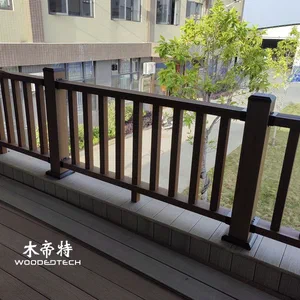
Related Products
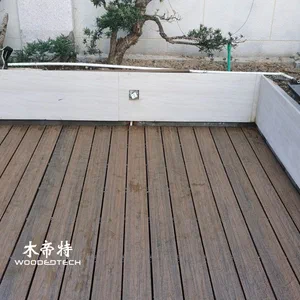
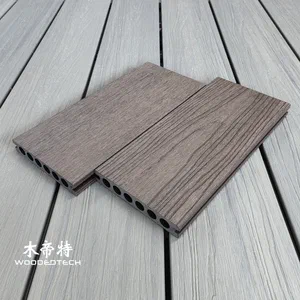 3DGD13823 Second Generation 3D Embossed Rosewood Composite Balcony Decking Delivers Ultra Realistic Wood Grain Texture and a Premium Natural Wood Experience
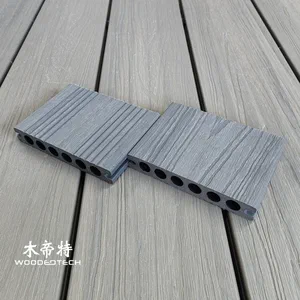 GD13823-3 Light Grey Premium Co Extrusion WPC Composite Decking Offers LG Texture and Excellent UV Resistance for Outdoor Spaces
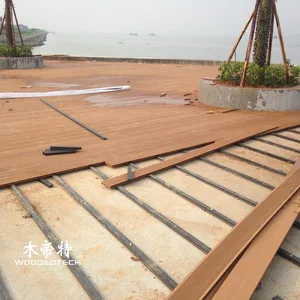
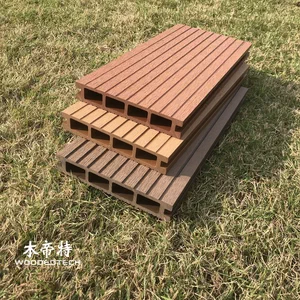 D14025-3 Square Hole Double Sided Grooved WPC Board Factory Producing Outdoor Decking Boards With Good Slip Resistance