
composite decking deck boards provide attractive outdoor flooring with low maintenance advantages
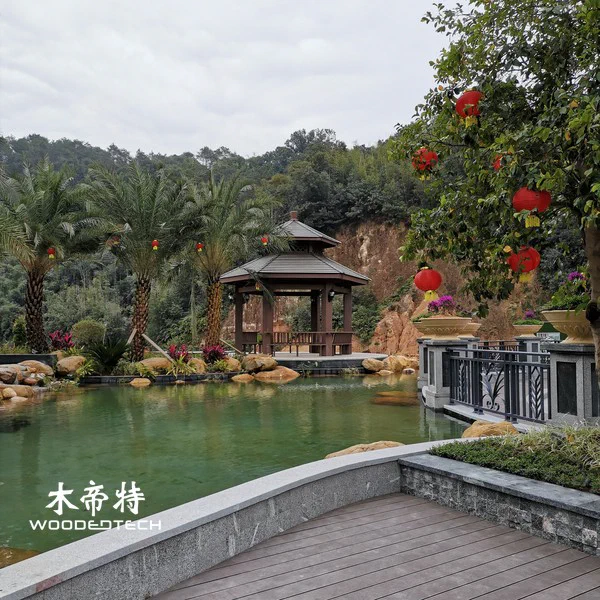
Outdoor WPC is widely used as an environmentally friendly alternative because it combines recycled plastic and wood fibers into a long-lasting material for exterior use. For buyers looking at composite decking deck boards, the appeal is not only the wood-like appearance but also the lower environmental load over the product’s life.
Why recycled content matters
Most outdoor WPC products are made with a blend of recycled plastics and reclaimed wood flour or fibers. That helps divert waste from landfills and reduces demand for virgin timber, which is especially important in outdoor flooring projects that require large surface areas. When a deck board is produced from recycled inputs, it supports a more circular material cycle without sacrificing visual quality.
Less wood, more efficiency
Compared with solid timber decking, WPC uses far less natural wood. This reduces pressure on forests while still delivering the warmth and texture buyers want for patios, terraces, pool areas, and garden walkways. It is a practical choice for projects that need the look of wood but also need to meet sustainability goals and material-use targets.

Built for durability and longer service life
Environmental value is not only about what a material is made from; it is also about how long it lasts. Outdoor WPC is designed to resist moisture, cracking, warping, and insect damage better than many traditional wood options. Because composite decking boards keep their shape and performance for years, replacement cycles are longer and fewer resources are consumed over time.
Low maintenance, lower impact
One of the biggest advantages of composite decking is reduced upkeep. Unlike wood, it usually does not need frequent sanding, staining, sealing, or repainting. That means fewer chemical coatings, less water use, and less labor over the life of the deck, while the surface remains attractive for everyday outdoor use.
For contractors, distributors, and project owners, this also means easier installation planning and lower lifecycle cost. The product supports sustainable building goals while still offering consistent color, comfortable underfoot performance, and reliable outdoor use in commercial and residential settings.
A practical option for modern outdoor flooring
Composite decking deck boards provide a balanced solution for buyers who want attractive outdoor flooring with low maintenance advantages. They are well suited to sustainable construction projects, especially where durability, recycled content, and reduced timber consumption all matter. For exterior spaces that need to look good and perform for years, WPC is a sensible material choice.
FAQ
Q: Why is outdoor WPC considered eco-friendly? A: It often uses recycled plastic and reclaimed wood fibers, which reduces waste and lowers demand for new raw materials. Its long service life also helps cut replacement frequency.
Q: Does composite decking really reduce wood consumption? A: Yes. WPC uses less natural wood than traditional timber decking because wood fibers are blended with recycled polymers. That makes it a more resource-efficient option.
Q: Is low maintenance part of its environmental benefit? A: Yes. Less sanding, staining, and repainting means fewer chemicals and less upkeep over time. This lowers the overall environmental impact of the deck.
Related Articles
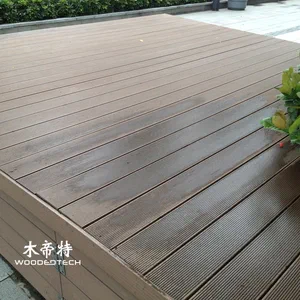 ground level composite deck provides a comfortable outdoor space with easy maintenance benefits
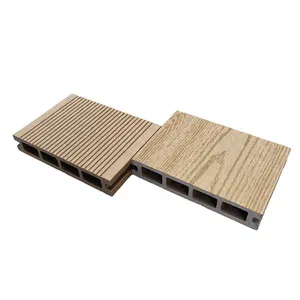 Outdoor WPC Decking for Beautiful Durable and Low Maintenance Outdoor Living
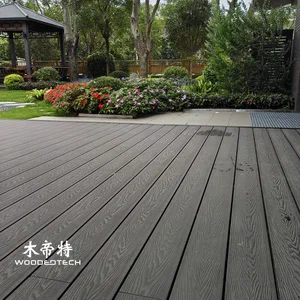 WPC Decking Materials for Strong Low Maintenance Outdoor Decking Solutions
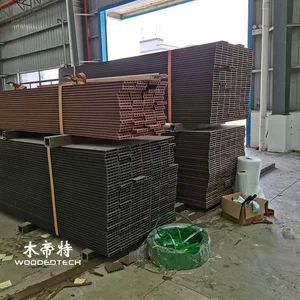 Decking E WPC Is an Ideal Outdoor Solution for Durable and Low Maintenance Spaces
Related Products
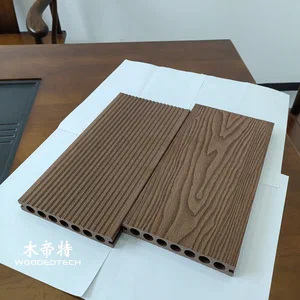 3D15023 First Generation 3D Embossed Composite Deck Boards With Stable Quality And High Performance For Premium Outdoor Projects
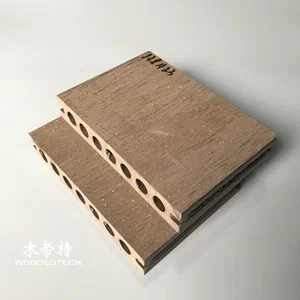 D13823 Round Hole Double Sided Flat WPC Bamboo Decking Boards With Strong Quality And Various Wood Grain Surface Treatments
 B1409.5 Siding WPC Exterior Boards Provide Waterproof Insect Resistant and Durable Outdoor Wall Solutions