
Composite Decking Dark Brown: Performance, Applications, and Market Trends
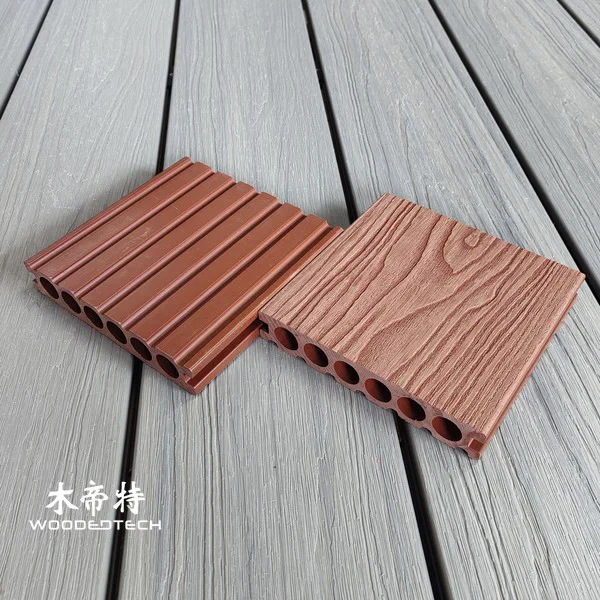
Dark brown composite decking combines the natural appearance of timber with the durability and low-maintenance characteristics of wood plastic composite (WPC). As global demand for sustainable outdoor building materials grows, this color is gaining attention in residential landscaping, commercial outdoor spaces, hospitality projects, and property development. For manufacturers, distributors, and importers, dark brown decking offers opportunities to serve buyers seeking timeless aesthetics, reliable outdoor performance, and competitive lifecycle costs.
Why Dark Brown Composite Decking Remains a Strong Market Choice
Color selection plays an important role in outdoor construction because decking must complement building facades, garden layouts, outdoor furniture, and surrounding landscapes. Dark brown is particularly versatile, offering a traditional wood-inspired appearance that works with contemporary architecture as well as classic residential designs.
Unlike some lighter decking colors, dark brown creates a visually defined outdoor surface and pairs naturally with stone paving, white exterior walls, black aluminum frames, and green landscaping. Popular shades include walnut, chocolate brown, coffee, and deep teak-inspired tones. Manufacturers can also offer embossed wood-grain textures to create a more realistic timber appearance.
For international buyers, a consistent color range is important when purchasing composite decking in bulk. Commercial projects often require multiple batches, so reliable pigmentation, surface finishing, and production quality control help reduce visible differences between installed boards.
Performance Characteristics and Material Advantages
Dark brown composite decking is generally manufactured using a combination of wood fiber or wood flour, thermoplastic polymers, and processing additives. The precise formulation influences strength, moisture resistance, dimensional stability, and long-term outdoor performance.
Compared with conventional timber decking, quality composite boards offer several practical advantages:
- Reduced routine maintenance without regular staining, painting, or sealing.
- Improved resistance to moisture, rot, and insect damage compared with untreated wood.
- Consistent board dimensions and a uniform appearance.
- Wood-inspired textures with a choice of solid or hollow profiles.
- Compatibility with concealed fastening systems and modular installation designs.
However, dark-colored decking requires particular attention to heat management. Dark brown surfaces generally absorb more solar energy than lighter colors and may become hot under direct sunlight. This is an important consideration for swimming pool surrounds, rooftop terraces, balconies, and commercial pedestrian areas.
Thermal expansion is another factor that buyers should evaluate. Composite materials expand and contract with temperature changes, so correct joist spacing, expansion gaps, ventilation, and installation clearances are essential. Product specifications should also identify slip resistance, water absorption, UV resistance, and applicable fire-performance classifications rather than relying on general durability claims.
Global Market Trends and Regional Demand
The composite decking market is benefiting from the broader shift toward outdoor living spaces, residential renovation, and lower-maintenance building materials. Research from BCC Research estimated that the global wood plastic composites market would increase from approximately US$4.7 billion in 2024 to US$6.9 billion by 2029, representing an estimated annual growth rate of 8.1%. Decking, fencing, cladding, and other construction applications are important parts of this expansion.
Regional demand patterns create different opportunities for exporters. North America remains an important market because homeowners are replacing aging timber decks and investing in outdoor renovations. In the United States, industry research identifies continued material conversion from traditional wood to composite and PVC decking, particularly in replacement projects. Europe offers opportunities linked to sustainable construction, product traceability, and demand for weather-resistant exterior materials. Meanwhile, Asia-Pacific markets are supported by urban development, expanding residential construction, hospitality investment, and increasing interest in modern landscape design.
Dark brown is well positioned across these markets because it is a relatively timeless color rather than a short-lived design trend. Distributors can offer it as a core stock color alongside light grey, charcoal, teak, and natural wood tones. This approach helps retailers serve different architectural preferences without maintaining an unnecessarily large inventory.
Technology Development and Product Differentiation
Manufacturing technology is creating new opportunities for composite decking suppliers. Co-extrusion, also known as capped composite decking production, combines a composite core with a protective outer polymer layer. This structure can improve resistance to staining, moisture penetration, surface fading, and everyday wear, depending on the materials and manufacturing quality.
For dark brown products, surface technology is particularly important because customers expect the color and wood-grain finish to remain attractive after prolonged outdoor exposure. Manufacturers can differentiate their products through:
- Multi-tone pigmentation that creates a more natural timber appearance.
- Deep embossed wood-grain patterns for improved visual texture.
- UV-resistant surface formulations to help limit color degradation.
- Grooved and solid board profiles for different structural requirements.
- Slip-resistant surface designs for wet or high-traffic environments.
The development of capped and co-extruded products also supports premium product positioning. Buyers increasingly evaluate decking according to its expected service life, maintenance requirements, warranty conditions, and total installation cost rather than comparing board prices alone. Suppliers that provide clear technical documentation and independently tested performance data can build stronger relationships with professional contractors and international distributors.
Expanding Applications Beyond Traditional Decking
One significant opportunity for WPC manufacturers is to develop coordinated outdoor product collections rather than selling individual decking boards. Dark brown composite decking can be combined with matching WPC wall cladding, privacy fencing, pergolas, railing systems, garden benches, and decorative landscape products.
This creates opportunities in several application areas:

- Residential landscaping: Garden patios, balconies, pool surrounds, terraces, and outdoor entertainment areas.
- Hospitality projects: Hotel terraces, resort walkways, restaurant patios, and outdoor recreational facilities.
- Commercial developments: Shopping centers, office landscaping, public seating areas, and pedestrian platforms.
- Landscape architecture: Garden pathways, raised platforms, pergola flooring, and integrated outdoor furniture.
For example, a resort developer may prefer dark brown decking combined with matching composite fencing and a pergola to create a consistent outdoor appearance. Supplying these products as a coordinated package can increase average order value and give manufacturers an advantage over suppliers specializing in decking alone.
There is also growing potential for customized composite products. Importers and project contractors may require specific board dimensions, surface patterns, colors, railing configurations, or private-label packaging. Manufacturers with flexible extrusion capabilities and OEM production services can target these buyers more effectively.
Future Market Opportunities for International Suppliers
Several developments are likely to shape the next stage of the composite decking industry.
First, sustainability will become an increasingly important purchasing consideration. Buyers are paying closer attention to recycled plastic content, responsibly sourced wood fibers, product lifespan, and manufacturing transparency. Suppliers should provide accurate material information and avoid unsupported environmental claims. Products designed for durability and potential material recovery may gain an advantage as environmental requirements become more demanding.
Second, premium product development will offer opportunities beyond basic WPC decking. Co-extruded boards, realistic 3D wood-grain surfaces, improved UV protection, and specialized slip-resistant finishes can help manufacturers compete in higher-value market segments. Dark brown products with natural-looking textures are particularly suitable for customers seeking the appearance of hardwood without the same maintenance requirements.
Third, integrated outdoor living solutions can create additional revenue opportunities. As buyers increasingly combine decking with exterior wall cladding, composite pergolas, fencing, and landscape accessories, suppliers capable of providing multiple compatible products can become more valuable sourcing partners.
Finally, international distributors will continue to prioritize dependable supply chains. Consistent color matching, stable production capacity, export packaging, technical support, and clear installation guidance are essential for building long-term B2B relationships. Manufacturers should also understand destination-market requirements for fire performance, structural applications, slip resistance, and environmental compliance.
Dark brown composite decking has a strong commercial position because it combines familiar timber aesthetics with the practical benefits of modern composite materials. For international manufacturers and exporters, the greatest opportunity lies in combining reliable product performance with advanced surface technology, sustainable material development, and coordinated outdoor product ranges. Companies that invest in quality control, customization, and distributor support will be better positioned to compete as global demand for durable outdoor building materials continues to develop.
Related Articles
 Composite Decking Kits 5m x 3m: Industrial Supply Guide 2026
 4.8 Meter Composite Decking Boards Provide Long Board Options for Professional Outdoor Installations
 Disadvantages Of Composite Decking Help Buyers Better Understand Product Features and Limitations
 Picture Frame Composite Deck Creates Elegant Border Designs for Premium Outdoor Flooring Projects
Related Products
 GD13820 M Shape Co Extruded Composite Deck Planks Feature a Special Profile Design for Distinctive Outdoor Decking Applications
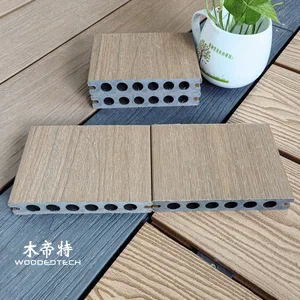 GD13823 Double Sided Flat Surface Co Extruded WPC Decking Features a Popular Width and Thickness with Round Hollow Structure
 GD13823-3 Composite Boards for Decking Are Available in Multiple Stock Colors with 3 Meter Lengths and Single Piece Delivery