
Composite Decking Cost vs Wood: Evaluating Procurement and Lifecycle Expenses
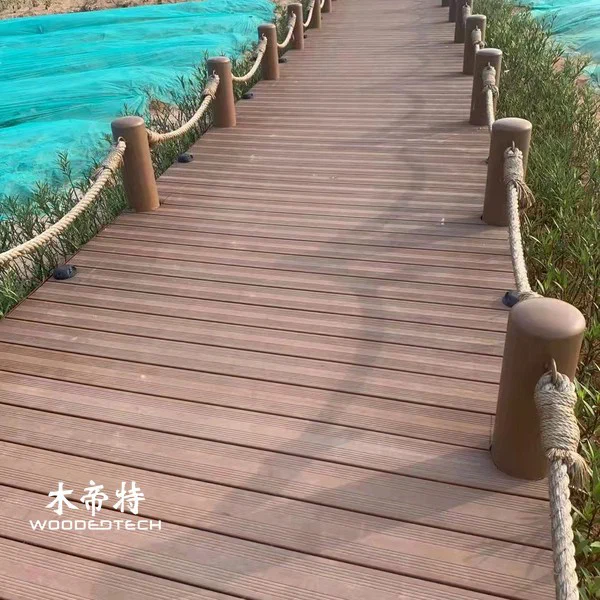
Outdoor composite decking generally costs more upfront than standard pressure-treated wood but can offer lower maintenance expenses and more predictable long-term performance. When comparing composite decking cost vs wood, procurement decisions should account for material prices, installation requirements, maintenance, replacement cycles, and total lifecycle costs rather than focusing only on the initial purchase price.
1. Initial Procurement Costs: Composite Decking vs Natural Wood
The initial material cost is often the first consideration for contractors, distributors, and commercial project buyers. Natural wood, particularly pressure-treated pine, is usually more affordable to purchase than WPC (wood plastic composite) decking. However, hardwood species such as teak, ipe, and cedar can be considerably more expensive, especially when consistent grades, certified sourcing, and specific dimensions are required.
WPC decking typically occupies a middle-to-premium price position. Its cost depends on the wood fiber and polymer ratio, manufacturing process, board structure, surface treatment, and protective technology. Hollow WPC boards generally require less raw material than solid boards, making them a cost-effective option for suitable residential applications. Solid composite decking offers greater mass and can be preferable for projects requiring specific structural or load-bearing characteristics, subject to the manufacturer’s specifications.
For procurement teams buying in bulk, the comparison should also include shipping volume, container loading efficiency, packaging, minimum order quantities, and supplier consistency. A lower factory quotation does not necessarily mean a lower delivered cost. Buyers should evaluate the complete landed cost, including freight, import duties, handling, and potential material losses during installation.
2. Installation Costs and Construction Requirements
Installation expenses vary according to the decking material, substructure, site conditions, and labor availability. Natural wood is familiar to most installers and can often be cut and fixed using conventional carpentry tools. However, timber may require additional preparation, sealing, sanding, and protective treatment before or after installation.
WPC decking uses a different installation approach. Many systems incorporate concealed clips, dedicated fasteners, and matching joists or support accessories. These components can improve installation consistency and create a uniform surface, although installers must follow the manufacturer’s recommended joist spacing, fixing methods, and expansion allowances.
Temperature-related expansion is particularly important when installing composite boards outdoors. WPC products can expand and contract with temperature changes, so adequate end gaps, ventilation, drainage, and perimeter clearance are essential. Ignoring these requirements can result in board movement, surface deformation, or installation failures.
Aluminum decking and ceramic or porcelain outdoor tiles offer alternative construction options. Aluminum is lightweight, dimensionally stable, and resistant to rot, but specialized systems and higher material costs can increase the initial investment. Porcelain tiles provide excellent surface durability but generally require a suitable supporting structure and more demanding installation preparation.
3. Maintenance Requirements and Long-Term Expenses
Maintenance is one of the most significant differences between composite decking and natural wood.
Natural timber requires regular attention to preserve its appearance and protect it against moisture, ultraviolet exposure, fungal decay, and insect damage. Depending on the wood species, climate, and exposure conditions, owners may need to clean, sand, stain, or reseal the surface periodically. These activities create recurring material and labor expenses, particularly for large commercial decks, hospitality facilities, and outdoor public spaces.
Outdoor WPC decking generally requires less routine maintenance. Regular sweeping and occasional washing with water and a suitable cleaning solution are usually sufficient to remove dust, leaves, and surface dirt. Unlike untreated timber, composite boards do not require routine staining or painting to maintain their basic protective function.
However, low maintenance does not mean maintenance-free. Food stains, grease, mold caused by accumulated organic debris, and surface scratches may still require attention. Product quality also matters. Poorly formulated composites may experience excessive fading, moisture-related damage, or surface deterioration over time.
Aluminum decking has relatively low maintenance requirements because it does not rot or attract insects. Nevertheless, buyers should consider surface coating performance, corrosion resistance, thermal comfort, and the cost of specialized replacement components. Porcelain and stone surfaces are also durable, although grout, joints, and supporting systems may require maintenance.
4. Lifecycle Cost Comparison Across Exterior Materials
A practical procurement evaluation should compare the total cost of ownership over the expected service life of the installation. This includes initial material costs, installation, routine maintenance, repairs, and eventual replacement.
| Material | Initial cost | Maintenance | Main lifecycle consideration |
|---|---|---|---|
| Pressure-treated wood | Low | High | Regular sealing and potential replacement |
| Cedar and hardwood | Medium to high | Medium to high | Species-dependent durability and maintenance |
| Outdoor WPC | Medium to high | Low | Product formulation and weather resistance |
| Aluminum | High | Low | Initial investment and surface performance |
| Porcelain tiles | Medium to high | Low to medium | Installation and supporting structure |
| Natural stone | High | Low to medium | Material weight, installation, and repairs |
For example, a commercial timber deck may initially appear more economical, but repeated staining, labor charges, board replacement, and surface restoration can gradually increase its total ownership cost. A WPC installation may require a larger initial budget but reduce recurring maintenance expenses throughout its service life.
For a more accurate comparison, procurement teams should calculate:
Total lifecycle cost = Initial material cost + Installation cost + Maintenance cost + Repair cost + Replacement cost.
The evaluation should use the same project area, expected service period, and installation conditions for every material. It should also consider the time value of money when comparing projects with different maintenance schedules.
5. How WPC Quality Influences Long-Term Value
Not all composite decking products deliver the same lifecycle performance. The quality of raw materials and manufacturing controls directly influences durability, appearance, and maintenance requirements.
Wood fiber moisture content, polymer quality, additive selection, pigment stability, and extrusion consistency all affect the finished product. Excessive moisture in wood powder can contribute to processing defects, while unsuitable polymer ratios may reduce mechanical performance and dimensional stability.

For outdoor applications, buyers should pay particular attention to UV resistance, water absorption, flexural strength, impact resistance, and resistance to temperature fluctuations. Co-extrusion decking adds a protective outer layer designed to improve resistance to staining, fading, and surface wear. However, its performance still depends on the quality of the core material and the bonding between layers.
Before placing a bulk order, request technical datasheets, representative samples, and relevant test reports. Independent testing based on applicable standards, such as ASTM D7032 for composite decking systems, can provide useful evidence of product performance. Buyers should also review warranty conditions, recommended installation methods, and the supplier’s quality control procedures.
6. Making the Right Procurement Decision
The best decking material depends on the project’s budget, intended use, environmental exposure, and maintenance capacity. Pressure-treated wood remains attractive for cost-sensitive projects with accessible maintenance services. Premium hardwood suits applications where natural appearance is a priority and the budget allows for ongoing care. Aluminum and porcelain may be appropriate where specific architectural or performance requirements justify their higher installation costs.
For residential gardens, balconies, pool surrounds, hotels, and commercial outdoor spaces, WPC decking offers a practical balance between appearance, durability, and maintenance requirements. Its long-term economic advantage becomes more significant when recurring timber treatments and labor expenses are substantial.
For importers, wholesalers, contractors, and construction material distributors, supplier selection is just as important as material selection. Comparing factory prices alongside product specifications, production capacity, packaging, shipping efficiency, and after-sales support provides a more reliable basis for purchasing decisions. A well-engineered WPC product with consistent quality can deliver better procurement value than a cheaper alternative that requires frequent repairs or premature replacement.
Related Articles
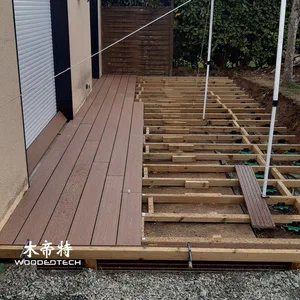
Related Products
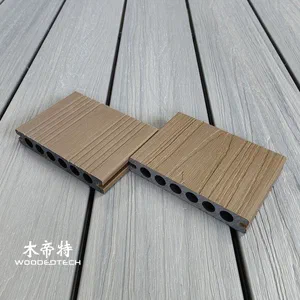 GD13823-3 Teak TK Co Extruded Decking Is a Popular Choice from Composite Decking Suppliers for Outdoor Flooring Projects
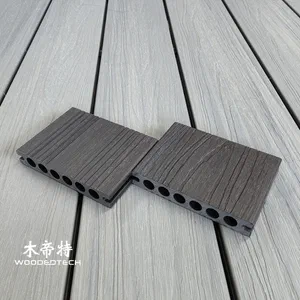 GD13823-3 Walnut WN Co Extruded Decking Features a Dark Rich Color That Helps Resist Visible Dirt and Stains
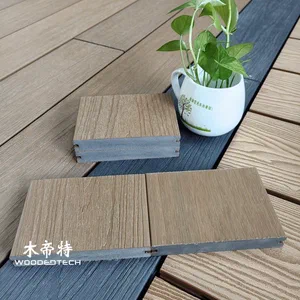 The GD14020S Composite Decking on Sale Features a Solid Core Structure Designed to Withstand Extreme Outdoor Temperature Changes and Freezing Conditions