
Composite Decking Cost vs Wood: A B2B Guide to Long-Term Value
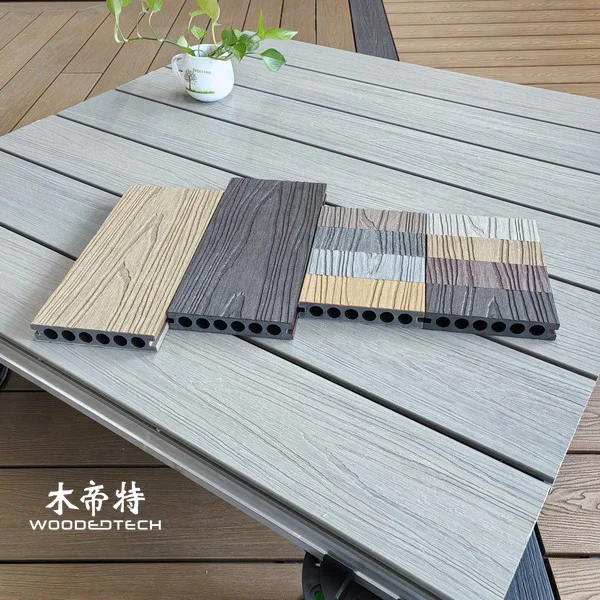
Composite decking typically costs more upfront than standard timber decking, but its lower maintenance requirements can reduce total ownership costs over time. For B2B buyers, including distributors, contractors, developers, and project procurement teams, comparing composite decking cost vs wood requires evaluating purchase prices, installation, maintenance, service life, and replacement frequency.
Initial Material Costs and Installation
Natural wood remains a competitive choice for projects with tight initial budgets. Pressure-treated pine is generally less expensive than premium hardwoods, while teak and other durable species command higher prices. However, timber costs vary considerably by species, grade, origin, and treatment requirements.
Wood plastic composite decking, or WPC decking, usually carries a higher initial material price than basic treated timber. Its price depends on the recycled or virgin polymer content, wood fiber ratio, surface finish, board structure, and protective cap technology. Hollow boards may reduce material costs, while solid and co-extruded boards often cost more.
Installation costs also influence the overall budget. Both timber and composite decking require suitable substructures, drainage, and adequate ventilation. WPC systems may use concealed fasteners and standardized accessories, helping create a consistent finish, although installers must account for thermal expansion and manufacturer-specific spacing requirements.
Maintenance Requirements and Long-Term Value
Traditional timber needs periodic sealing, staining, or painting, depending on the species and exposure conditions. Moisture can cause swelling, warping, and decay, while sunlight gradually changes its color. In commercial environments such as hotels, restaurants, and public walkways, maintenance closures and labor costs can add significantly to ownership expenses.
Composite decking generally requires routine cleaning with water and a suitable cleaner rather than regular staining or sealing. Quality capped composite boards offer additional protection against moisture, staining, and fading, although performance varies by product. Scratches, surface wear, heat retention, and fading remain possible, and damaged boards may still require replacement.

Aluminum decking offers excellent resistance to rot, insects, and corrosion when appropriately specified and finished. However, its higher initial cost, different underfoot feel, and potential heat retention may make it less suitable for some projects. Concrete and porcelain pavers can provide long service lives, but their heavier construction, foundation requirements, and repair complexity should be considered.
Comparing Lifecycle Costs Across Materials
For procurement teams, the most useful metric is total cost of ownership rather than purchase price alone. A lifecycle assessment should include materials, installation, cleaning, refinishing, repairs, replacement, and disposal over the intended service period.
Consider a commercial deck with a 15-year evaluation period. Timber may offer the lowest initial investment, but repeated refinishing and board replacement can narrow the price difference. WPC decking may become more economical where labor is expensive, maintenance access is difficult, or consistent appearance is important. Aluminum or masonry may offer better value in specialized applications where durability and structural requirements justify their higher installation costs.
Buyers should request comparable quotations using the same deck area, substructure specification, loading requirements, warranty conditions, and expected service life. Confirm that quoted prices include accessories, fasteners, freight, installation, and applicable taxes. Ask suppliers for test reports, warranty exclusions, maintenance guidance, and evidence supporting durability claims.
Choosing the Right Material for B2B Projects
WPC decking is particularly attractive for hospitality developments, residential communities, balconies, poolside areas, and public spaces where predictable appearance and reduced routine maintenance matter. Timber remains suitable for projects prioritizing natural character, easy local sourcing, or lower initial expenditure. Aluminum and mineral-based surfaces are worth considering when fire performance, structural design, or specific environmental conditions drive the specification.
For distributors and importers, evaluating factory capacity, batch consistency, production lead times, packaging, replacement-board availability, and export documentation is equally important. A competitive supplier should provide transparent pricing and technical data so buyers can assess both immediate margins and long-term project performance.
FAQ
Q: Is composite decking cheaper than wood over time?
A: It can be, particularly when reduced staining, sealing, and repair costs offset the higher initial purchase price. Actual savings depend on product quality, local labor rates, climate, and service life.
Q: What factors affect composite decking cost the most?
A: Material composition, board profile, protective capping, surface finish, accessories, shipping, and installation requirements all influence the final cost.
Q: What should B2B buyers request from a composite decking supplier?
A: Request itemized quotations, technical specifications, durability test reports, warranty terms, maintenance instructions, and information on production capacity and replacement-board availability.
Related Articles

Related Products
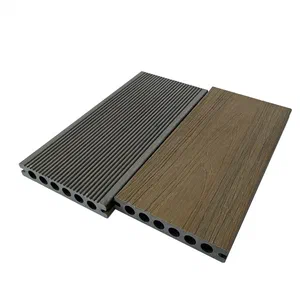 GD14023 Composite Decking Versus Wood Decking Features a Round Hole Structure with Semi Capped Co Extrusion
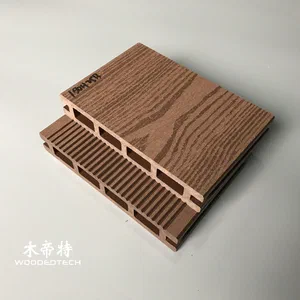 D15025-2 Classic Waterproof Insect Resistant Corrosion Resistant And Termite Resistant Composite Decking Types With Twenty Years Of Sales Experience
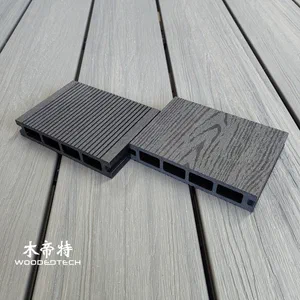 D14025-4 WPC Decking Boards Feature a Flat Wood Grain Surface with Black Ebony Heartwood Ring Grain for Outdoor Applications