
Composite Decking Cost Varies Based on Material Structure Surface Design and Installation Requirements

:::writing{variant=“document” id=“58391” title=“Composite Decking Cost Varies Based on Material Structure Surface Design and Installation Requirements”} Outdoor composite decking cost depends on more than the board price. Material structure, surface treatment, installation complexity, and long-term maintenance needs all affect the final investment. Compared with natural wood, timber, aluminum, and other exterior materials, WPC decking offers a balanced solution for durability, appearance, and lifecycle value.
How Material Structure Affects Composite Decking Cost
Composite decking is made from wood fibers, polymers, and additives, but different structures create different price levels. Hollow WPC boards are usually more economical because they use less material, while solid composite decking provides higher strength and better impact resistance for commercial or high-load areas.
Capped composite decking generally costs more than uncapped boards because the protective polymer layer improves resistance against moisture, stains, UV exposure, and fading. Co-extrusion technology adds another protective surface layer, increasing durability and creating a more realistic wood grain appearance. These features may raise the initial cost but reduce replacement and maintenance expenses over time.
Compared with natural wood and traditional timber, WPC decking has a higher upfront price in many markets. However, wood requires regular sealing, staining, painting, and protection against insects and rot. Outdoor WPC decking usually needs only basic cleaning with water and mild detergent, making maintenance costs significantly lower throughout its service life.

Comparing WPC Decking with Other Exterior Materials
Natural wood provides authentic texture and a traditional appearance, but its performance depends heavily on climate conditions and maintenance. Timber decks can develop cracks, warping, mold, and decay when exposed to moisture and sunlight for long periods.
Aluminum decking offers excellent strength, fire resistance, and weather durability with minimal maintenance. However, it typically has a higher purchase cost and a more industrial appearance, which may not suit projects requiring a natural wood aesthetic.
Concrete and stone surfaces are durable and stable but often involve higher installation labor, heavier structural requirements, and limited design flexibility. WPC decking combines wood-like visual appeal with improved moisture resistance, making it suitable for gardens, balconies, pool areas, and commercial outdoor spaces.
Lifecycle Cost and Installation Considerations
The total cost of composite decking includes materials, substructure, labor, accessories, and future maintenance. Installation requirements such as joist spacing, drainage design, edge finishing, and project size can significantly influence the budget.
Although premium WPC products may require a larger initial investment, their resistance to rot, insects, weather changes, and surface damage can extend service life compared with untreated wood. For property developers, contractors, and outdoor project suppliers, selecting the right composite structure and surface design helps achieve better long-term value.
FAQ
Q: Is composite decking more expensive than wood? A: Composite decking often has a higher initial cost than wood, but lower maintenance requirements can make it more cost-effective over its lifecycle.
Q: What factors increase composite decking prices? A: Board structure, capped surfaces, co-extrusion technology, design patterns, installation methods, and project size all influence composite decking costs.
Q: How does WPC decking compare with aluminum decking? A: WPC provides a warmer wood-like appearance and easier customization, while aluminum offers exceptional strength and fire resistance.
:::
Related Articles
 What Is The Difference Between Composite Deck Vs Wood Cost For Buyers
 Composite Deck Cost Depends on Decking Materials Installation Methods and Project Size
 plastic wood flooring cost depends on material structure surface design and project requirements
 0.5 Composite Deck Board Provides a Compact Profile Choice for Specific Outdoor Flooring Designs
Related Products
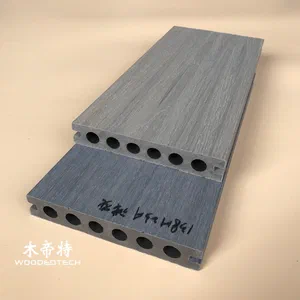 GD13823 Composite Decking Material Features Six Small Round Holes to Reduce Weight While Maintaining Structural Strength
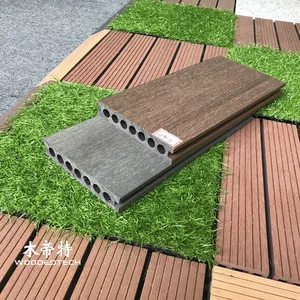 GD13823-2 Wood Versus Composite Decking Features Seven Round Holes with Wood Grain and Brushed Textures on Opposite Sides
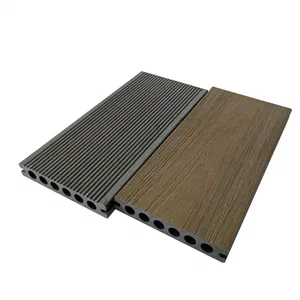 GD14023 Composite Decking Versus Wood Decking Features a Round Hole Structure with Semi Capped Co Extrusion