
Composite Decking Affordable Solutions: Cost-Effective Options for B2B Buyers
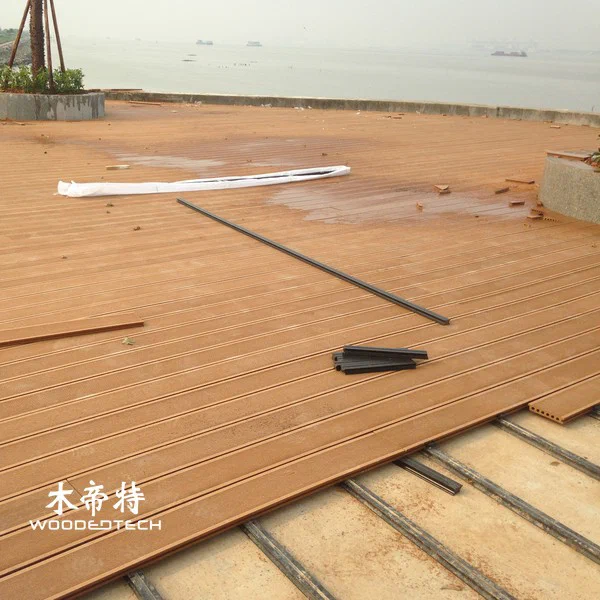
Composite decking offers B2B buyers a practical way to balance material costs, product performance, and long-term project value. By selecting the right WPC decking structure, surface treatment, and manufacturing specifications, distributors, contractors, and importers can source affordable composite decking without compromising essential quality. The key is to evaluate the total cost of ownership rather than focusing solely on the initial purchase price.
What Makes Composite Decking a Cost-Effective Choice?
Wood plastic composite (WPC) decking combines wood fiber and thermoplastics to create an outdoor flooring material designed to withstand regular use and changing weather conditions. Compared with traditional timber, composite decking generally requires less routine maintenance, eliminating the need for frequent sanding, staining, or painting.
For commercial buyers, these characteristics can reduce maintenance expenses over the product’s service life. Hotels, residential developments, public walkways, garden projects, and swimming pool areas can benefit from a decking solution that maintains its appearance with relatively simple cleaning.
The initial cost of composite decking may be higher than some untreated wood products, but its overall value depends on several factors, including durability, installation requirements, maintenance frequency, and expected replacement cycles. Buyers should consider these factors when comparing different outdoor decking materials.
Affordable Composite Decking Options for Wholesale Buyers

Not every project requires premium decking boards. Choosing an appropriate product structure is one of the most effective ways to control procurement costs.
Hollow Composite Decking
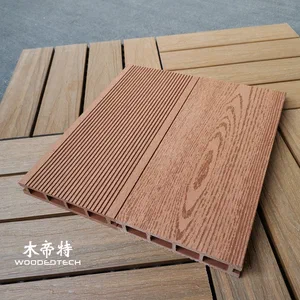
Hollow composite decking boards feature internal cavities that reduce material consumption and overall product weight. This structure can lower manufacturing costs and make transportation and handling more economical.
Hollow boards are suitable for many residential balconies, garden decks, and light-to-medium-duty outdoor applications. However, buyers should check wall thickness, internal reinforcement, load-bearing performance, and installation requirements before placing bulk orders.
Solid Composite Decking
Solid composite decking contains more material than hollow profiles, generally making it heavier and more suitable for applications requiring greater structural strength.
Although the initial purchase price is usually higher, solid boards can be a practical option for commercial walkways, high-traffic outdoor spaces, and projects with demanding load requirements. Comparing the intended application with the board’s mechanical performance helps buyers avoid unnecessary material expenses.
Uncapped and Capped Composite Decking
Uncapped composite decking offers a more economical entry-level option because it does not have an additional protective polymer layer surrounding the board.
Capped composite decking uses an outer protective layer designed to improve resistance to moisture, staining, fading, and surface wear. It typically costs more but may offer better long-term value in demanding outdoor environments.
For distributors, maintaining both product categories can help serve different customer budgets and project specifications.
Key Factors That Affect Composite Decking Prices
Understanding the factors behind composite decking prices helps importers negotiate more effectively and select suitable products for different markets.
- Raw material composition: Wood fiber quality, recycled plastic content, polymer type, and additives influence manufacturing costs and product performance.
- Board structure: Hollow, solid, and reinforced profiles require different material quantities and extrusion processes.
- Surface treatment: Brushed, embossed, wood-grain, and co-extrusion finishes involve different production requirements.
- Dimensions: Board width, thickness, length, and customized profiles affect material consumption and production efficiency.
- Order quantity: Larger wholesale orders can improve production efficiency and reduce average unit costs.
- Packaging and logistics: Carton design, pallet configuration, loading capacity, and shipping arrangements influence landed costs.
Buyers should request a detailed quotation that separates product prices, packaging costs, tooling charges where applicable, and shipping expenses. Comparing suppliers on the same technical specifications provides a more reliable basis for procurement decisions.
How to Reduce Procurement Costs Without Sacrificing Quality
Working directly with a wood plastic composite decking manufacturer can help B2B buyers improve purchasing efficiency. Factory-direct sourcing may reduce intermediary costs and provide better communication regarding specifications, production schedules, and quality requirements.
However, the lowest quotation does not always represent the best purchasing decision. Buyers should evaluate the manufacturer’s extrusion equipment, raw material control, production capacity, quality inspection procedures, and experience with international orders.
Several purchasing strategies can help control costs:
- Standardize board dimensions and colors across multiple projects to simplify production planning.
- Select commonly available profiles instead of introducing custom molds for small orders.
- Consolidate shipments to improve container utilization and reduce transportation costs per unit.
- Request samples before mass production to verify color consistency, surface texture, and structural quality.
- Confirm installation accessories, clips, joists, and fasteners to avoid unexpected additional purchases.
- Establish clear inspection standards covering dimensions, appearance, moisture resistance, and mechanical properties.
For wholesalers and private-label brands, OEM and ODM manufacturing services can also support product differentiation. A reliable factory can help develop customized profiles, packaging, colors, and surface finishes while maintaining practical production costs.
Choosing the Right WPC Decking Manufacturer
Supplier selection has a direct impact on product consistency, delivery reliability, and long-term business profitability. International buyers should look beyond advertised prices and assess whether a manufacturer can support repeat orders and different project requirements.
A professional WPC factory should have established raw material sourcing, controlled extrusion processes, and documented quality inspection procedures. Important production checks include board dimensions, density consistency, bending performance, surface appearance, and dimensional stability under temperature changes.
Export experience is another important consideration. Manufacturers familiar with international B2B transactions are generally better equipped to coordinate packaging specifications, shipping documentation, product labeling, and order schedules.
Before confirming a wholesale agreement, buyers should request product samples, technical data sheets, available certifications, and clear warranty terms. It is also worth checking whether the supplier can provide matching decking accessories and technical guidance for installation.
Building Long-Term Value with Affordable Composite Decking
Affordable composite decking is not simply the cheapest product available. It is the product that meets project requirements at a competitive purchase price while delivering dependable performance throughout its intended service life.
For importers, distributors, contractors, and construction material wholesalers, selecting the right combination of board structure, material formulation, surface treatment, and order quantity can significantly improve procurement efficiency.
A capable WPC decking manufacturer can support this process through stable production, flexible customization, consistent quality control, and competitive factory-direct pricing. By evaluating both upfront costs and long-term operating expenses, B2B buyers can build a more profitable composite decking supply strategy for residential, commercial, and landscaping markets.
Related Articles
 Evaluating Composite Decking Affordable Options for Large-Scale Commercial Projects
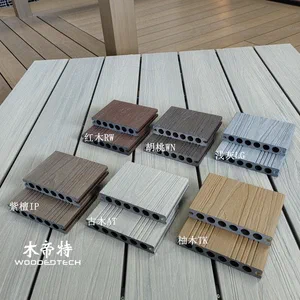 Affordable Composite Decking: A Practical Guide for Commercial Projects
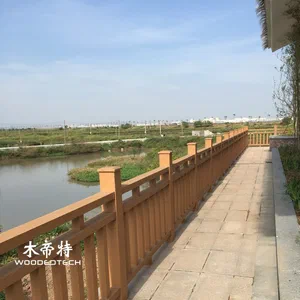 composite decking clearance provides affordable options for outdoor renovation projects
 Competitive composite decking prices: Wholesale Rates for Your Project
Related Products
 GD13820 M Shape Co Extruded Composite Deck Planks Feature a Special Profile Design for Distinctive Outdoor Decking Applications
 GD13823-3 Composite Boards for Decking Are Available in Multiple Stock Colors with 3 Meter Lengths and Single Piece Delivery
 The Classic D14025-4 Red Wood WPC Wood Sheet Features a Timeless 2D Flat Wood Grain Design That Remains Popular After Twenty Years