
Composite Decking Accessories: Industrial Solutions for 2026
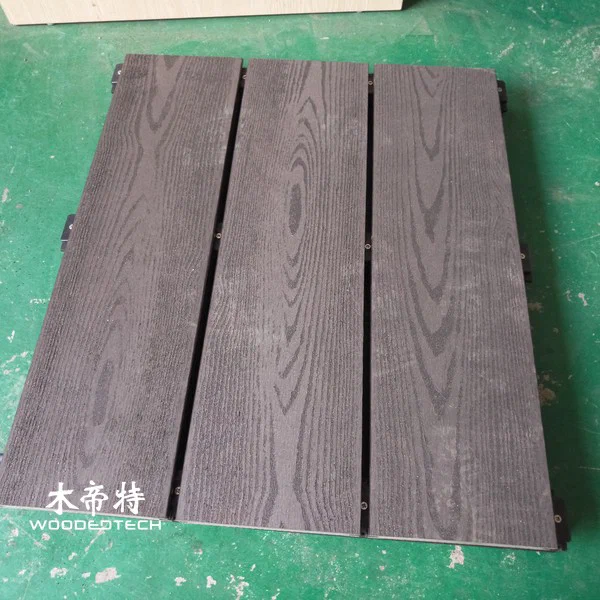
Composite decking accessories are essential components of a reliable outdoor decking system, helping ensure structural stability, installation efficiency, and long-term performance. For international distributors, contractors, and project developers in 2026, selecting compatible accessories from an experienced wood plastic composite decking manufacturer can reduce installation risks, simplify procurement, and improve project quality.
Essential Accessories for Commercial Composite Decking Projects
A complete WPC decking system requires more than decking boards. Each accessory serves a specific function, from supporting the substructure to securing boards and finishing exposed edges. Common components include:

- WPC or aluminum joists: Provide a stable supporting framework and help maintain consistent spacing.
- Hidden fastening clips: Secure grooved composite decking boards while creating uniform gaps for drainage and thermal movement.
- Stainless steel screws: Offer reliable fastening performance when selected for the installation environment.
- Starter and end clips: Secure the first and last boards for a neat, professional finish.
- Edge trims and fascia boards: Cover exposed edges, conceal the substructure, and create clean transitions.
- Stair nosing and risers: Improve the appearance of steps and help create consistent stair finishes.
For commercial developments, hospitality facilities, public walkways, and residential communities, accessory compatibility is particularly important. Components should match the board profile, thickness, installation method, and expected loading conditions. Using a coordinated accessory system also helps reduce on-site adjustments and unnecessary material waste.
Material Selection and Manufacturing Quality
Material choice directly affects accessory durability and maintenance requirements. Stainless steel fasteners are commonly preferred for moisture-prone environments, while aluminum joists can provide a dimensionally stable alternative to timber framing when properly designed for the application. Polymer and composite trims should be evaluated for weather resistance, color consistency, and compatibility with the decking surface.
Manufacturers should also consider the different requirements of capped composite decking and uncapped WPC decking. Board geometry, groove dimensions, and fastening positions may vary between product ranges, making universal compatibility an assumption buyers should avoid. For outdoor installations, UV exposure, temperature fluctuations, drainage, and coastal corrosion risks should be included in product selection.
For OEM and private-label orders, a capable supplier should provide dimensional drawings, material specifications, installation instructions, and sample components for fit testing. Consistent production tolerances and quality-control procedures help ensure accessories fit the intended decking profiles across repeat shipments.
Procurement Priorities for International Buyers in 2026
Bulk buyers should evaluate complete system costs rather than comparing accessory unit prices alone. A low-cost clip or joist may create additional labor expenses if it requires special tools, causes alignment problems, or does not fit the selected decking boards.
Before placing an order, confirm the following:
- Compatibility with the specified WPC decking profile and substructure.
- Material grade, corrosion resistance, and intended application.
- Required quantities, packaging specifications, and replacement-part availability.
- Installation documentation, product samples, and quality inspection procedures.
- Lead times, shipping arrangements, and customization options.
For distributors serving multiple markets, standardized accessory kits can simplify inventory management and make project quotations more consistent. Manufacturers offering coordinated decking boards, fasteners, trims, and structural components can also help buyers consolidate sourcing and reduce compatibility issues.
FAQ
Q: What accessories are required for composite decking installation?
A: Most installations require suitable joists, fastening clips or approved screws, starter and end fasteners, and edge trims. Stairs, railings, and fascia components may also be needed depending on the project design.
Q: Are composite decking accessories interchangeable between brands?
A: Not always. Clip dimensions, board grooves, joist spacing, and fastening requirements differ between systems, so buyers should verify compatibility with the manufacturer before ordering.
Q: What should wholesale buyers check when sourcing WPC decking accessories?
A: Confirm material specifications, dimensional tolerances, corrosion resistance, installation compatibility, packaging, and production capacity. Samples and technical documentation are useful for verifying suitability before bulk purchasing.
Related Articles

Related Products
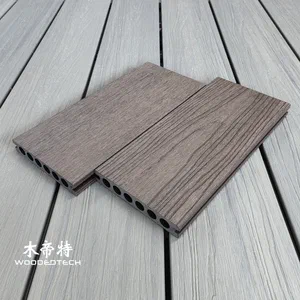 3DGD13823 Second Generation 3D Embossed Rosewood Composite Balcony Decking Delivers Ultra Realistic Wood Grain Texture and a Premium Natural Wood Experience
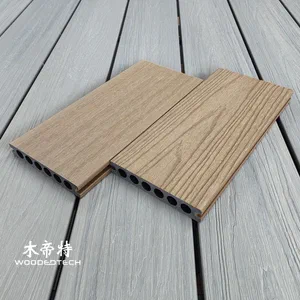 3DGD13823 Second Generation 3D Embossed Teak Decking Composite Material Features Ultra Realistic Wood Grain Texture for Elegant Outdoor Flooring
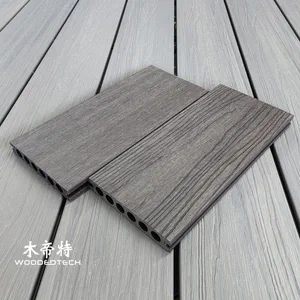 3DGD13823 Second Generation 3D Embossed Walnut WPC Decking Combines Ultra Realistic Wood Grain Texture with the Natural Beauty of Walnut for Outdoor Spaces