
Composite Decking 4 x 4 Provides Flexible Structural Options for Outdoor Construction Projects

:::writing{variant=“document” id=“58391” title=“Composite Decking 4 x 4 Provides Flexible Structural Options for Outdoor Construction Projects”} Composite decking 4 x 4 profiles provide versatile structural solutions for outdoor construction by balancing load capacity, material efficiency, and installation needs. Through optimized WPC extrusion mold design, manufacturers can create profiles with different internal structures and surface treatments to match residential, commercial, and landscape applications.
Profile Design Determines Structural Performance
The design of a WPC profile directly affects how a composite decking component handles pressure, bending forces, and long-term outdoor exposure. Engineers adjust profile dimensions, wall thickness, and internal geometry during extrusion mold development to achieve the required strength while controlling material consumption.
A solid structure provides maximum density and high impact resistance, making it suitable for heavy-duty applications where strong support is required. However, solid profiles use more raw materials and typically result in higher production costs and greater weight during transportation and installation.

Hollow structures reduce material usage while maintaining reliable mechanical performance through engineered internal support. Properly designed hollow chambers improve stiffness, reduce weight, and make handling easier for installers. Rib placement inside hollow profiles is especially important because it prevents deformation and improves load distribution.
Hollow, Solid, and Rib Designs Affect Cost and Installation
For composite decking 4 x 4 applications, manufacturers often select between solid, hollow, and reinforced rib structures according to project requirements.
- Solid profiles offer superior strength, impact resistance, and screw-holding performance.
- Hollow profiles provide lower weight, easier installation, and improved material efficiency.
- Ribbed designs increase stability by adding internal reinforcement without significantly increasing material usage.
A well-designed extrusion mold allows WPC profiles to maintain dimensional accuracy, ensuring consistent connections between boards, fasteners, and supporting systems. This improves installation efficiency and reduces adjustment work on-site.
Surface Patterns Improve Function and Appearance
Surface design is another important factor in WPC decking performance. Embossed wood grain patterns create a natural appearance while improving surface texture and slip resistance. Grooved patterns can support drainage and provide better traction in outdoor environments.
The choice of surface treatment also influences maintenance requirements, weather resistance, and product appearance over time. Advanced mold designs can integrate decorative textures directly into the extrusion process, creating durable finishes without additional production steps.
FAQ
Q: What is the advantage of a hollow WPC profile? A: Hollow WPC profiles reduce weight and material costs while maintaining strength through optimized internal structures and rib reinforcement.
Q: Are solid composite decking profiles stronger than hollow profiles? A: Solid profiles generally provide higher impact resistance, but well-engineered hollow profiles can deliver excellent performance for many outdoor applications.
Q: How do surface patterns improve composite decking? A: Surface patterns enhance appearance, improve traction, and help create a more durable outdoor flooring solution.
:::
Related Articles
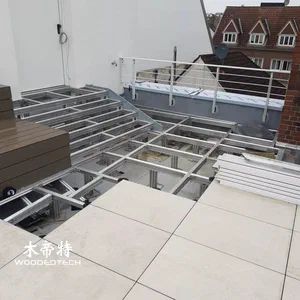 2x6 composite decking provides a practical size option for residential and commercial outdoor decks
 WPC hollow decking offers lightweight outdoor flooring solutions with customizable surface textures
 0.5 Composite Deck Board Provides a Compact Profile Choice for Specific Outdoor Flooring Designs
 Composite Deck Over Concrete Porch Creates a Comfortable Outdoor Surface Upgrade Solution
Related Products
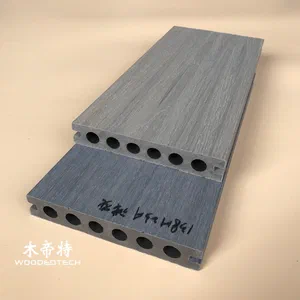 GD13823 Composite Decking Material Features Six Small Round Holes to Reduce Weight While Maintaining Structural Strength
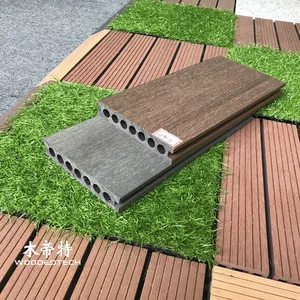 GD13823-2 Wood Versus Composite Decking Features Seven Round Holes with Wood Grain and Brushed Textures on Opposite Sides
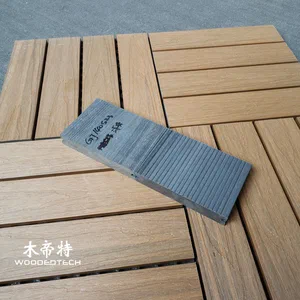 GD14023S Composite Deck Materials Feature a Solid Structure and Side Grooves for Better Adaptability in Extremely Cold Climates