
Composite decking 3mm hidden fasteners provide neat installation solutions for seamless outdoor deck surfaces
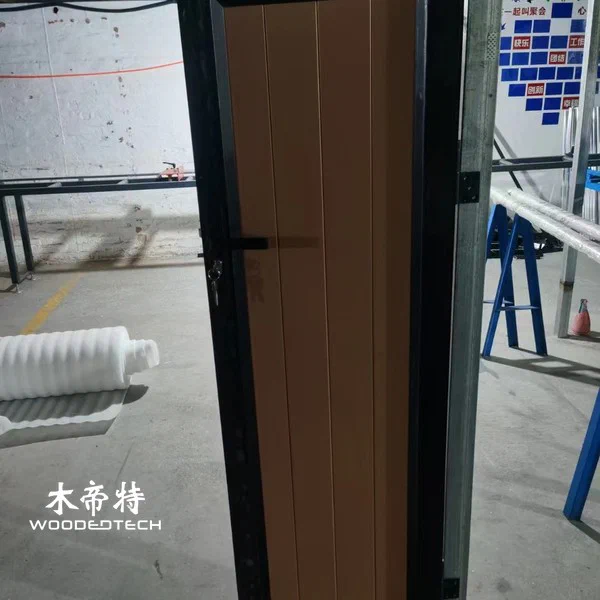
Composite decking with 3mm hidden fasteners delivers a clean, seamless finish for modern outdoor decks while keeping the surface safe and easy to maintain. This guide covers the practical steps for installing WPC decking and wall cladding with the right subframe, fixing method, spacing, and finishing details.
Preparing the subframe

A good installation starts with a level, stable subframe. For decking, use treated timber or aluminum joists set on a firm base with correct drainage and ventilation underneath; for wall cladding, fix battens to a flat, dry, and structurally sound wall. Check alignment before any boards go on, because hidden fasteners will not correct a crooked frame.
Keep joist spacing within the product recommendation, as WPC boards need consistent support to avoid bounce and long-term movement. Allow airflow under deck boards and behind cladding panels, and avoid direct contact with standing water or soil.
Installing WPC decking with 3mm hidden fasteners
Begin with the starter clip or edge board system, then lay the first decking board square to the frame. Use 3mm hidden fasteners between boards so the gap stays even and the face remains free from visible screw heads. Tighten each fastener only enough to hold the board securely; over-tightening can restrict natural movement.
Leave expansion gaps at all fixed edges, around posts, and at wall abutments. WPC expands and contracts with temperature, so the board ends should never be pushed tightly together. At board joins, stagger the joints and support each end on a joist to keep the surface firm and neat.
When fixing the last board, use the matching end clip or face-screw method if the system requires it. Keep the line straight and check the groove engagement along the full length before moving to the next row.
Cutting and fitting cladding
For wall cladding, cut boards with a fine-tooth blade to reduce chipping and get a clean edge. Measure twice, especially around corners, windows, and trim profiles, where small errors become very visible. Use the approved concealed clip, tongue-and-groove, or screw-fix method depending on the profile design.
Maintain a small expansion gap at the top, bottom, and at corner trims. If the project uses vertical cladding, make sure the battens are spaced correctly and the boards are fixed from the recommended starting point so the reveal stays even.
Maintenance tips
WPC decking and cladding are low maintenance, but they still need routine care. Sweep away grit, wash with mild soap and water, and remove leaves or dirt that can trap moisture. Avoid harsh solvents, wire brushes, and pressure washing too close to the surface.
Inspect fasteners, joints, and edge trims once or twice a year. If a board is damaged, replace it early rather than letting water or debris build up around the area.
FAQ
Q: Why use 3mm hidden fasteners for composite decking? A: They create a consistent gap between boards and keep the deck surface clean without visible fixings. This also helps the deck look more modern and professional.
Q: Do WPC boards need expansion gaps? A: Yes, expansion gaps are essential at board ends, edges, and around fixed objects. They allow the material to move naturally with temperature changes.
Q: Can the same method be used for wall cladding? A: The same installation principles apply, but cladding needs the correct batten layout and fixing profile. Always follow the board-specific installation system for the best result.
Related Articles
 Composite decking questions help customers understand materials installation and maintenance requirements
 Composite wood decking installation provides step by step solutions for building beautiful outdoor decks
 core decking wpc provides a stable outdoor flooring solution with reliable composite performance
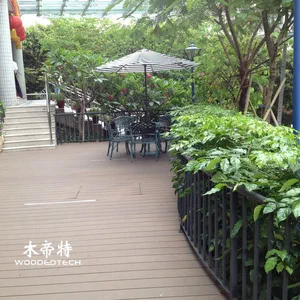 labor cost to install composite decking varies based on project size design and installation conditions
Related Products
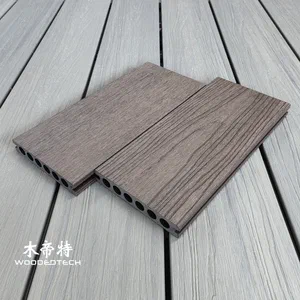 3DGD13823 Second Generation 3D Embossed Rosewood Composite Balcony Decking Delivers Ultra Realistic Wood Grain Texture and a Premium Natural Wood Experience
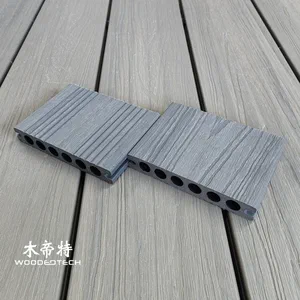 GD13823-3 Light Grey Premium Co Extrusion WPC Composite Decking Offers LG Texture and Excellent UV Resistance for Outdoor Spaces
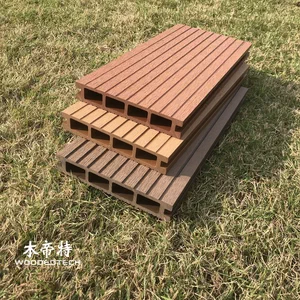 D14025-3 Square Hole Double Sided Grooved WPC Board Factory Producing Outdoor Decking Boards With Good Slip Resistance