
Composite Deck Wood: Industrial Applications, Benefits, and Material Selection
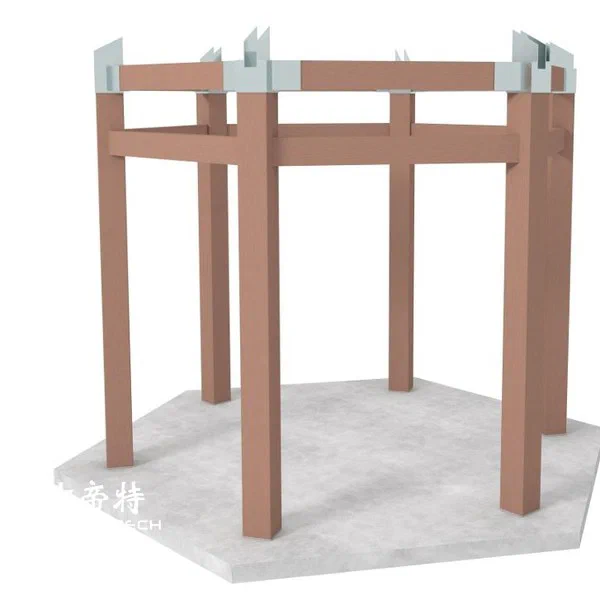
Composite deck wood, commonly known as wood plastic composite (WPC) decking, combines wood fibres or wood flour with thermoplastics to create an exterior building material designed for demanding outdoor environments. It is widely used in commercial buildings, public spaces, hospitality projects, residential developments, and landscaping. Compared with natural timber, aluminum, and conventional exterior flooring, WPC offers a practical balance of weather resistance, appearance, maintenance requirements, and long-term operating costs.
Understanding Composite Deck Wood and Its Industrial Applications
WPC decking is manufactured by combining wood-based materials with polymers such as polyethylene (PE), polypropylene (PP), or polyvinyl chloride (PVC), together with stabilisers, pigments, and other additives. The resulting material retains a wood-like appearance while reducing some of the weaknesses associated with natural timber.
Industrial and commercial applications require more than an attractive surface. Materials must withstand regular foot traffic, moisture exposure, temperature changes, and continuous outdoor use. Composite deck boards are therefore commonly specified for:
- Commercial walkways, terraces, and rooftop recreation areas
- Hotel swimming pool surrounds and outdoor dining spaces
- Shopping centres, public parks, and pedestrian platforms
- Residential balconies, garden decks, and communal areas
- Marina walkways and waterfront landscaping, subject to appropriate product specifications
- Outdoor seating areas, resort facilities, and recreational developments
For large projects, material consistency is particularly important. Factory-produced WPC boards offer more uniform dimensions, colours, and surface finishes than many natural timber products. Hollow profiles can reduce material weight, while solid composite decking is often preferred where greater rigidity or demanding installation conditions require it.
Comparing WPC with Natural Wood, Timber, and Aluminum
Selecting exterior decking involves evaluating the purchase price alongside durability, installation requirements, maintenance, and replacement frequency. Different materials perform better under different environmental and operational conditions.
| Material | Main advantages | Main disadvantages | Maintenance |
|---|---|---|---|
| WPC decking | Moisture resistance, consistent appearance, low maintenance | Thermal expansion, potential fading, lower heat resistance than some alternatives | Periodic cleaning and inspection |
| Natural hardwood | Authentic grain, premium appearance, natural strength | Higher cost, weathering, possible cracking and splintering | Regular oiling or sealing |
| Softwood timber | Affordable, easy to cut and install | Greater vulnerability to rot, insects, and moisture | Frequent treatment and repainting |
| Aluminum decking | Lightweight, corrosion-resistant when properly specified, non-combustible | Higher initial cost, metallic appearance, heat transfer | Cleaning and coating inspection |
| Concrete or stone | High compressive strength, long service life | Heavy structure, hard surface, complex installation | Cleaning and occasional repairs |
| Ceramic outdoor tiles | Wide design selection, colour stability, easy cleaning | Brittle under impact, substrate requirements, possible slip hazards | Routine cleaning and grout maintenance |
Natural hardwood remains a strong choice for projects where authentic timber character is a priority. However, outdoor exposure gradually affects its appearance and structural condition. Rain, sunlight, humidity, and insects can contribute to surface deterioration. Regular sealing, staining, sanding, or oiling adds to the ownership cost.
Traditional softwood timber offers a lower initial investment, making it attractive for budget-sensitive developments. Its disadvantage is the need for more frequent protective treatment and potential board replacement. For commercial facilities with high foot traffic, maintenance interruptions can become an important operational expense.
Aluminum provides excellent dimensional stability and does not suffer from timber rot or insect damage. It is particularly suitable for projects requiring non-combustible decking systems. However, its industrial appearance and surface temperature under direct sunlight may not suit every architectural concept. It can also require a higher initial investment.
WPC occupies a middle position between these alternatives. It offers a wood-inspired appearance without requiring the same routine surface treatments as conventional timber. Nevertheless, it should not automatically be considered stronger, cooler, or more fire-resistant than every competing material. Actual performance depends on the formulation, profile structure, surface treatment, and installation system.
Key Advantages of Outdoor WPC Decking
One of the main reasons architects and contractors specify outdoor WPC is its resistance to moisture-related deterioration. Unlike untreated timber, properly formulated composite boards do not absorb water in the same way as natural wood fibres. This helps reduce problems associated with swelling, decay, and fungal damage.
Another important advantage is reduced maintenance. Most WPC decking systems require periodic washing with water and a suitable cleaning solution rather than regular sanding, painting, or oiling. This can be particularly valuable for hotels, commercial terraces, and public facilities where maintenance teams manage extensive outdoor surfaces.
Modern manufacturing technologies also provide greater flexibility in appearance. Embossed surfaces, wood-grain textures, multiple colour options, and co-extrusion technology allow manufacturers to produce boards with improved surface protection and more consistent finishes.
Capped WPC decking features a protective polymer layer around the composite core. This can improve resistance to staining, moisture penetration, and fading compared with some uncapped products. However, performance varies between manufacturers, so buyers should review independent test results rather than relying solely on product descriptions.
Environmental considerations also influence material selection. Many WPC products incorporate recycled plastics and recovered wood materials, helping reduce demand for virgin resources. However, environmental performance depends on recycled content, manufacturing energy, product lifespan, and end-of-life recycling arrangements.
Maintenance Requirements and Lifecycle Costs
The initial purchase price is only one part of the total cost of an exterior decking system. A more reliable comparison considers the entire lifecycle, including installation, cleaning, repairs, protective treatments, and eventual replacement.
WPC generally requires less routine maintenance than natural timber. Regular sweeping, occasional washing, and inspections of fasteners, support structures, and drainage conditions are usually sufficient. Commercial installations should receive additional inspections because heavy traffic, furniture movement, and environmental exposure can accelerate surface wear.
Natural timber often involves higher recurring expenses. Depending on the species and climate, protective coatings may need to be reapplied periodically. Boards can also require sanding, repairs, or replacement when cracking, splintering, or decay develops.
Aluminum typically has relatively low maintenance requirements, although protective finishes and connections should be inspected. Concrete and stone offer long service potential but may involve higher structural preparation, transport, and installation costs.
A practical lifecycle cost assessment should include:
- Material purchase price per square metre
- Substructure, fasteners, and installation labour
- Cleaning and protective treatment expenses
- Expected repair and replacement requirements
- Downtime and labour costs for commercial maintenance
- Disposal or recycling costs at the end of service life
WPC may have a higher upfront cost than basic softwood decking but can become more economical when reduced maintenance and replacement expenses are considered. Actual savings depend on local labour rates, climate, product quality, and the expected service period. Buyers should compare documented warranty conditions and realistic service-life estimates rather than assuming every composite product offers the same durability.
Selecting the Right Composite Decking for Industrial Projects
Material selection should begin with the project’s operating conditions. A hotel terrace, public walkway, industrial platform, and residential balcony have different requirements for loading, slip resistance, appearance, and maintenance.
For high-traffic commercial environments, buyers should evaluate board density, profile thickness, bending strength, fastening performance, and resistance to surface wear. Solid profiles may be appropriate for demanding applications, while hollow boards can offer weight and material savings when correctly supported.
Moisture exposure is another important consideration. Pool surrounds and waterfront installations require suitable drainage, corrosion-resistant fixings, and surfaces tested for slip resistance under relevant wet conditions. WPC should not be described as completely waterproof without considering its profile design, joints, and installation details.
Temperature changes also matter. Composite boards expand and contract, so installation systems must provide the correct expansion gaps and fastening arrangements. Ignoring manufacturer installation instructions can lead to buckling, gaps, or connection failures.
Fire performance should be checked separately for projects subject to strict building regulations. Standard WPC decking is not automatically fire-resistant or non-combustible. Architects and contractors should request relevant fire-test documentation and verify compliance with local building codes.

For importers, distributors, and construction companies, supplier evaluation is equally important. Request technical datasheets, product samples, load-test results, weathering reports, installation manuals, and warranty documentation. Consistent production quality, reliable delivery capacity, and the availability of replacement profiles can make a significant difference to long-term project management.
Choosing composite deck wood is ultimately a decision about balancing appearance, technical performance, installation conditions, and ownership costs. When the material specification matches the project environment, quality outdoor WPC decking can provide a durable, attractive, and relatively low-maintenance alternative to traditional timber while offering architects and developers greater consistency across large exterior installations.
Related Articles
 Composite Decking vs Concrete: 2026 Industrial Material Analysis
 WPC Deck Panel: Technical Guide to Industrial Applications and Selection
 Composite Decking Lengths Provide Flexible Options For Different Outdoor Project Requirements
 WPC Decking Meaning and Why It Is a Popular Choice for Outdoor Spaces
Related Products
 GD13820 M Shape Co Extruded Composite Deck Planks Feature a Special Profile Design for Distinctive Outdoor Decking Applications
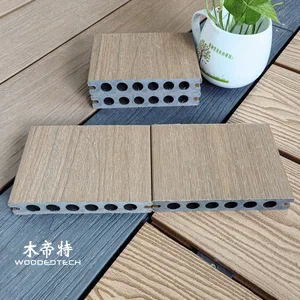 GD13823 Double Sided Flat Surface Co Extruded WPC Decking Features a Popular Width and Thickness with Round Hollow Structure
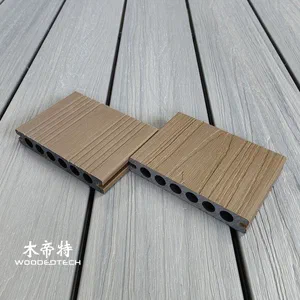 GD13823-3 Teak TK Co Extruded Decking Is a Popular Choice from Composite Decking Suppliers for Outdoor Flooring Projects