
Composite Deck vs Wood: An In-Depth Comparison for Industrial Applications in 2023
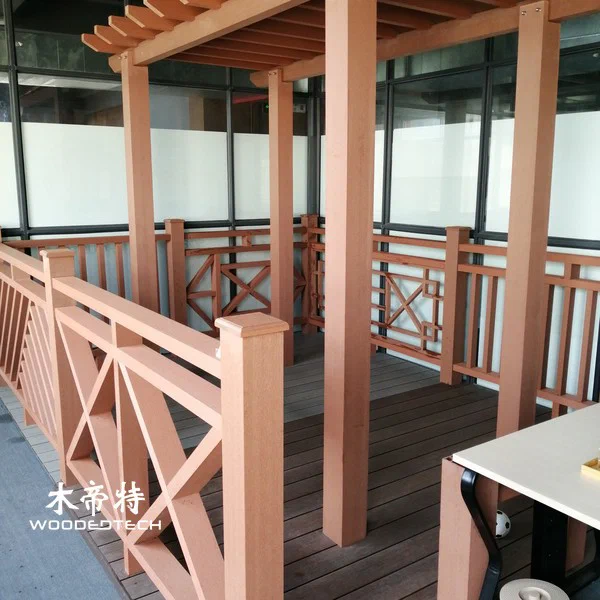
When choosing materials for outdoor applications, both composite decking (WPC) and natural wood offer unique benefits and drawbacks. This comparison will explore these materials against traditional timber, aluminum, and other exterior materials, focusing on their advantages, disadvantages, maintenance requirements, and lifecycle costs.
Advantages of Composite Decking
Composite decking, or wood plastic composite (WPC), is engineered from a mix of wood fibers and plastic, making it resistant to rot, splintering, and pest damage. Key benefits include:
- Low maintenance: Unlike natural wood, WPC requires minimal upkeep, needing only periodic cleaning.
- Durability: WPC is designed to withstand harsh weather conditions without warping or fading.
- Eco-friendly options: Many composites use recycled materials, appealing to environmentally conscious buyers.
- Aesthetic appeal: Composite decking comes in a variety of colors and finishes, mimicking the look of natural wood.
Disadvantages of Composite Decking
Despite its benefits, composite decking does have some downsides. These include:
- Higher initial cost: WPC often has a higher upfront price compared to traditional lumber.
- Heat retention: Composite materials can become hot under direct sunlight, which may be uncomfortable for bare feet.
- Limited lifespan compared to some high-quality natural woods: While durable, composite decking generally has a shorter lifespan than certain types of treated timber.
Advantages of Natural Wood
Natural wood is a classic choice for outdoor applications, offering a timeless look and feel. Its advantages include:
- Aesthetic versatility: Wood offers a natural beauty that can enhance any outdoor space.
- Cost-effectiveness: Depending on the type of wood, initial costs can be lower than those of composite materials.
- Repairability: Damaged wood can often be sanded down or refinished, extending its lifespan.
Disadvantages of Natural Wood
However, natural wood also comes with challenges:
- High maintenance: Wood requires regular staining, sealing, and repairs to protect against weathering, pests, and rot.
- Vulnerability: Wood is susceptible to warping, splintering, and insect infestations, which can compromise its integrity.
- Environmental impact: The harvesting of timber can contribute to deforestation if not sourced sustainably.
Traditional Timber vs. Aluminum

When comparing traditional timber to aluminum, several factors come into play.
Advantages of Aluminum
- Durability: Aluminum is resistant to corrosion and does not rust, making it suitable for various climates.
- Low maintenance: Like composite, aluminum requires minimal upkeep.
- Lightweight: Aluminum is easier to handle and install than heavy wood.
Disadvantages of Aluminum
- Aesthetic limitations: Aluminum may not provide the warm, natural look of wood, which can be a drawback for some designs.
- Potential for heat and cold transfer: Aluminum can become extremely hot in the sun and cold in winter, affecting comfort.
Lifecycle Costs Consideration
Lifecycle costs are crucial in evaluating these materials. Composite decking’s higher initial cost may be offset by lower maintenance and repair expenses over time. Natural wood, while cheaper upfront, may incur significant ongoing costs for maintenance and eventual replacement. Aluminum offers durability but may also involve higher initial investments without the long-term aesthetic appeal of wood.
Summary of Maintenance Requirements
- Composite Decking: Requires occasional cleaning; no staining or sealing.
- Natural Wood: Needs regular sealing, staining, and repairs to maintain appearance and integrity.
- Aluminum: Minimal maintenance required; occasional cleaning to remove dirt and debris.
In the context of industrial applications, understanding these material characteristics will help in making informed decisions based on performance, aesthetics, and budget considerations. Choosing the right outdoor material ultimately hinges on specific project needs, climate considerations, and desired longevity.
Related Articles
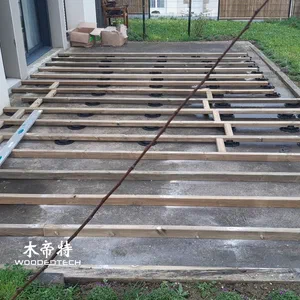 Understanding WPC Wood Planks Price: A Comprehensive Guide for 2023
 Composite Deck Cost vs Wood: A Comparative Analysis for Industrial Buyers in 2023
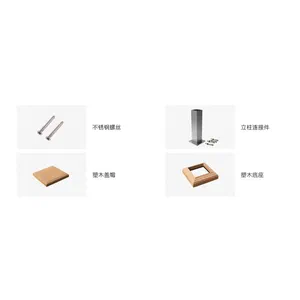 Composite Decking vs Wood Decking: Evaluating Long-Term Value for Industrial Applications
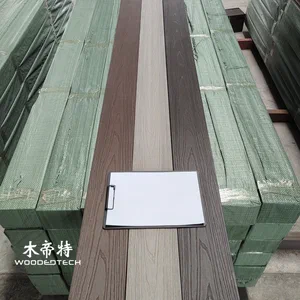 Maximizing ROI: The Benefits of Using Composite Decking Planks in Commercial Projects
Related Products
 GD13820 M Shape Co Extruded Composite Deck Planks Feature a Special Profile Design for Distinctive Outdoor Decking Applications
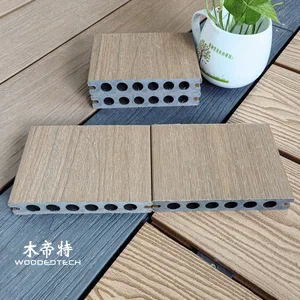 GD13823 Double Sided Flat Surface Co Extruded WPC Decking Features a Popular Width and Thickness with Round Hollow Structure
 GD13823-3 Composite Boards for Decking Are Available in Multiple Stock Colors with 3 Meter Lengths and Single Piece Delivery