
Composite Deck Screw Tool: Industrial Solutions for Contractors
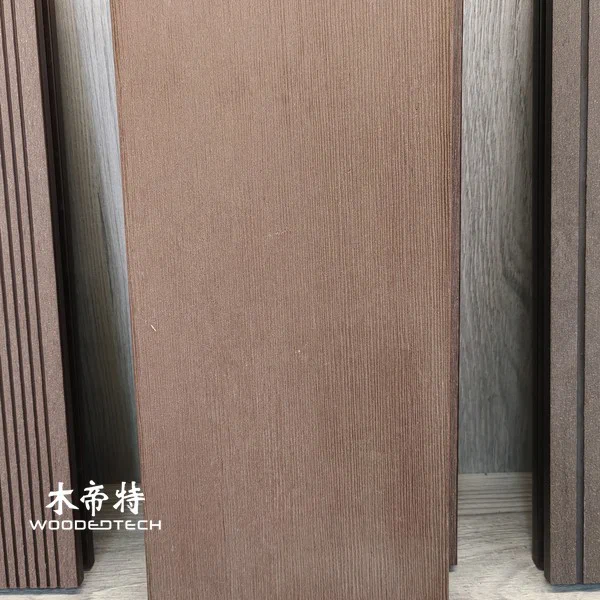
A composite deck screw tool is an essential installation solution for contractors working with WPC decking and wall cladding systems. Designed to improve fixing accuracy, speed, and surface quality, the right tool helps achieve professional results across large commercial and residential projects.
Professional Preparation Before Installation
Before using a composite deck screw tool, contractors should prepare a stable and accurate subframe. For WPC decking, install joists on a level surface with correct spacing according to the decking manufacturer’s requirements. The subframe should be dry, strong, and properly aligned to prevent movement after installation.
For WPC wall cladding, ensure the supporting structure is flat and capable of carrying the cladding load. Install vertical or horizontal battens depending on the panel direction, while maintaining ventilation gaps behind the boards to reduce moisture buildup.
A professional installation process requires checking all materials before work begins:
- Composite decking or wall cladding boards
- Stainless steel screws or compatible fixing clips
- Composite deck screw tool
- Measuring equipment and cutting tools
- Protective equipment for safe operation
Fixing Methods and Screw Tool Application
The composite deck screw tool allows contractors to control screw depth and maintain consistent spacing between boards. This prevents over-tightening, which can damage the WPC surface, and ensures screws sit at the correct position for a clean finish.
For hidden fixing systems, use approved clips installed along the side grooves of decking boards. For visible fixing methods, pre-drill when required and use corrosion-resistant screws designed for outdoor environments. The screw tool should provide stable pressure and alignment to avoid slipping during installation.
When installing wall cladding, secure each panel firmly while allowing natural expansion and contraction. Fixings should be evenly distributed across the supporting framework to maintain a straight appearance and long-term durability.

Expansion Gaps, Cutting, and Finishing Details
WPC materials expand and contract with temperature changes, so expansion gaps are necessary. Leave recommended spacing between board ends, walls, posts, and fixed structures. Contractors should avoid installing boards tightly against surrounding surfaces because restricted movement may cause warping or stress.
Cutting composite boards requires sharp blades suitable for WPC materials. Measure carefully before cutting, and seal or finish exposed edges when required to protect the internal structure. A clean cutting process improves the final appearance of decking areas and exterior wall surfaces.
For large projects, using a professional screw tool system helps maintain installation speed while reducing errors. Consistent fixing depth and alignment create a more uniform surface, which is especially important for commercial applications.
Maintenance Tips for Installed WPC Systems
Although WPC decking and cladding require less maintenance than natural wood, regular care improves service life. Clean surfaces with mild soap and water to remove dirt, leaves, and outdoor residue. Avoid harsh chemicals that may affect the material finish.
Inspect screws, clips, and connection points periodically, especially after extreme weather conditions. Replace damaged fixings and check that expansion gaps remain clear. Proper installation combined with routine maintenance helps WPC systems maintain their appearance and structural performance for years.
FAQ
Q: Why do contractors use a composite deck screw tool? A: It improves screw placement accuracy, controls fixing depth, and helps create a consistent professional finish during WPC installation.
Q: Can the same screw tool be used for decking and wall cladding? A: Many tools can support both applications, but contractors should confirm compatibility with the specific fixing system and board design.
Q: What type of screws are recommended for WPC installation? A: Stainless steel or corrosion-resistant screws designed for outdoor composite materials are commonly recommended for long-term performance.
Related Articles
 Composite Deck Over Concrete Porch Creates a Comfortable Outdoor Surface Upgrade Solution
 Joist for Composite Deck Supports Stable Installation of Long Lasting Outdoor Decking Systems
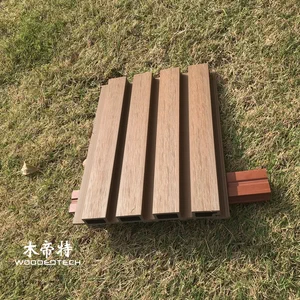 Framing for Composite Decking to Build Stable and Long Lasting Outdoor Decks
 Composite Decking Spacers: Installation Standards and Buying Criteria
Related Products
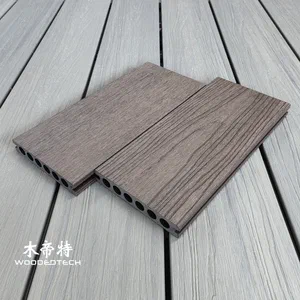 3DGD13823 Second Generation 3D Embossed Rosewood Composite Balcony Decking Delivers Ultra Realistic Wood Grain Texture and a Premium Natural Wood Experience
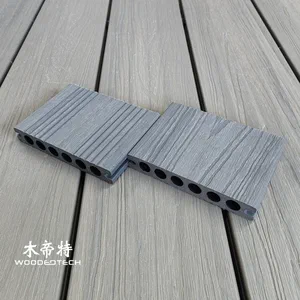 GD13823-3 Light Grey Premium Co Extrusion WPC Composite Decking Offers LG Texture and Excellent UV Resistance for Outdoor Spaces
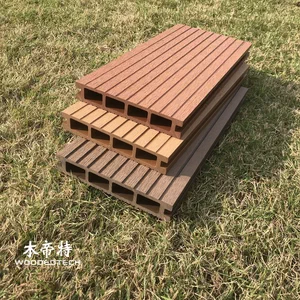 D14025-3 Square Hole Double Sided Grooved WPC Board Factory Producing Outdoor Decking Boards With Good Slip Resistance