
Composite Deck Screw Selection: Specifications, Performance and Installation Standards
Selecting the correct screws for composite decking is essential for achieving a secure, durable and professional installation. Screw material, dimensions, thread design and head type all affect fastening strength, corrosion resistance and the finished deck surface. Using fasteners designed specifically for composite materials also helps prevent board damage, surface splitting and premature loosening.
1. Why Screw Selection Matters for Composite Decking
Composite decking boards have different physical properties from natural timber. Their wood fibers and polymer content create a material that responds differently to drilling, fastening and temperature changes. Standard wood screws may not provide the required holding performance and can cause raised edges, surface cracking or visible fastening marks.
The right composite deck screws should provide reliable grip without restricting the natural expansion and contraction of the boards. They should also withstand outdoor exposure, including rain, humidity, UV-related temperature changes and, in coastal environments, salt air.
For contractors, distributors and project developers, choosing suitable fasteners is not simply a finishing decision. It directly affects installation efficiency, structural reliability and long-term maintenance requirements.
2. Composite Deck Screw Specifications
Before purchasing fasteners, check the screw specifications against the decking manufacturer’s installation requirements. Different board profiles, subframe materials and installation systems may require different fastening solutions.
Key specifications include:
- Material: Stainless steel is generally preferred for outdoor applications. Grade 304 stainless steel suits many standard environments, while Grade 316 offers improved resistance to chloride exposure in coastal or highly corrosive locations.
- Length: Screw length should provide sufficient penetration into the supporting joist without extending through the opposite side. The required length depends on board thickness and the manufacturer’s fastening recommendations.
- Diameter: Select a diameter that provides adequate holding strength without creating excessive stress around the fixing point.
- Thread design: Deep or specially engineered threads can improve engagement with the supporting material. Some composite-specific screws also feature cutting points that reduce installation resistance.
- Head design: Countersunk and trim-head screws help create a cleaner surface finish. The head must be compatible with the decking profile and intended installation method.
- Drive type: Torx or other compatible star-drive systems offer improved torque transfer and reduce the risk of driver slippage.
For aluminum or steel subframes, use fasteners specifically approved for the relevant metal thickness and profile. Timber joists may require a different thread configuration.
3. Types of Fastening Systems
There are two common approaches to fixing composite decking: concealed clips and face-fixed screws.
Concealed Decking Clips
Hidden fastening systems are widely used with grooved composite decking boards. Clips fit into the grooves along the board edges and connect the decking to the supporting joists.
Their main advantages include:
- A clean, screw-free walking surface.
- Consistent spacing between adjacent boards.
- Reduced visibility of installation hardware.
- Faster installation when the decking profile is designed for the clip system.
Starter clips and end clips are normally required at the perimeter. Always use compatible clips and screws supplied or approved by the decking manufacturer.
Face-Fixing Composite Deck Screws

Face fixing is suitable for certain solid boards, stair applications, perimeter details and projects where concealed clips are not appropriate.
The screws should be installed at the specified fixing positions, maintaining consistent distances from board edges and ends. Pre-drilling may be necessary, particularly near board ends or when using certain solid composite profiles.
Avoid overtightening. Excessive torque can damage the board surface, strip the supporting material or prevent the decking from moving as designed.
4. Installation Standards and Fastening Procedures
Correct installation begins with proper subframe preparation. The supporting joists must be level, stable and adequately spaced according to the decking manufacturer’s specifications and applicable local building requirements. Check that the frame provides sufficient drainage and ventilation beneath the boards.
Before fixing the decking, confirm the required screw positions and expansion gaps. Composite boards expand and contract with temperature changes, so fastening must allow for the movement specified by the manufacturer.
A practical installation sequence is:
- Inspect the decking boards, joists, screws and installation clips before starting.
- Confirm that the subframe is level, structurally sound and correctly spaced.
- Position the first board and install the appropriate starter clips or approved face-fixing screws.
- Install subsequent boards using compatible hidden clips or the specified screw arrangement.
- Maintain consistent side gaps and end-to-end expansion clearances according to the manufacturer’s temperature and installation guidelines.
- Check alignment and fastening security throughout the installation.
- Install perimeter trims, fascia boards and finishing components using their approved fixing methods.
For face-fixed boards, keep screws perpendicular to the decking surface and maintain the recommended edge distances. Where pre-drilling is required, use an appropriate drill bit and avoid oversized holes that could reduce fastening stability.
5. Cutting, Drilling and Common Installation Mistakes
Composite decking can generally be cut using standard woodworking tools fitted with suitable carbide-tipped blades. For clean cuts, support the board properly and use a blade appropriate for the material and profile.
When drilling screw holes, follow the manufacturer’s recommendations for pilot-hole diameter and depth. Remove drilling debris before installing fasteners, especially around concealed clips and board grooves.
Common installation mistakes include:
- Using ordinary indoor or non-corrosion-resistant screws outdoors.
- Selecting screws that are too short to achieve sufficient holding strength.
- Mixing incompatible clips, screws and decking profiles.
- Driving screws too close to board edges.
- Applying excessive fastening torque.
- Ignoring expansion gaps at board ends and fixed structures.
- Installing decking without sufficient drainage and ventilation.
These mistakes can lead to loose boards, surface damage, uneven gaps and unnecessary repair costs.
6. Maintenance and Long-Term Fastener Performance
Although composite decking generally requires less maintenance than traditional timber, its fastening system still needs periodic inspection. Outdoor exposure, temperature fluctuations and heavy foot traffic can affect the condition of screws, clips and supporting structures over time.
Inspect the deck periodically, paying particular attention to perimeter fixings, stairs, high-traffic areas and locations exposed to standing water. Check for loose boards, damaged clips, corrosion, unusual movement and visible screw heads.
Replace damaged or corroded fasteners with compatible products that meet the original installation specifications. Do not simply install larger screws into damaged fixing points without checking whether the supporting joist or decking board has also been compromised.
For cleaning, use a soft brush and suitable decking cleaner. Avoid aggressive chemicals that may damage the composite surface or accelerate corrosion of exposed metal components.
For commercial projects, establishing a regular inspection schedule helps maintain installation quality and reduces unexpected repair expenses. Keeping records of screw grades, dimensions, fastening layouts and installation methods also makes future maintenance easier.
The best composite deck screw is one that matches the board profile, subframe material, environmental conditions and manufacturer’s installation standards. Choosing suitable stainless steel fasteners, compatible concealed clips and correctly sized fixing hardware helps create a stable, attractive and long-lasting outdoor decking system. For WPC manufacturers, wholesalers and installation contractors, specifying the complete fastening system before installation is an effective way to improve project consistency and reduce after-sales issues.
Related Articles
Related Products
 GD13820 M Shape Co Extruded Composite Deck Planks Feature a Special Profile Design for Distinctive Outdoor Decking Applications
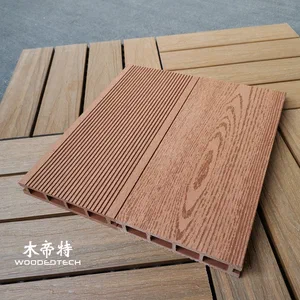 The Classic D14025-4 Red Wood WPC Wood Sheet Features a Timeless 2D Flat Wood Grain Design That Remains Popular After Twenty Years
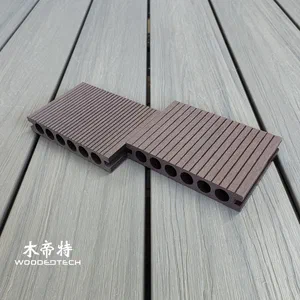 The D14025-6 Composite Decking 2 x 4 Features a Practical Walnut Design with Double-Sided Large and Small Grooves for Versatile Outdoor Applications