
Composite Deck Railing Ideas: Design Trends and Material Solutions for 2026
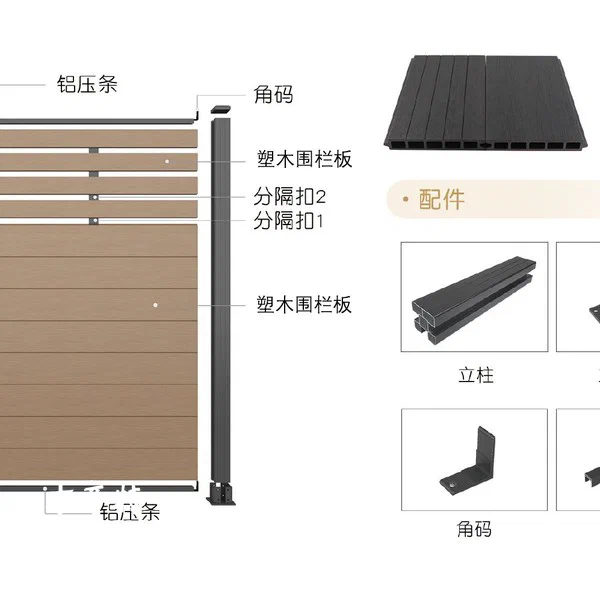
Composite deck railing in 2026 combines clean architectural lines, natural wood-inspired finishes, and durable materials to create outdoor spaces that look refined and remain easy to maintain. From minimalist horizontal systems to mixed-material designs with aluminum posts and composite infill, modern railing solutions offer flexibility for residential decks, commercial terraces, balconies, and poolside areas.
1. Minimalist Railing Designs with Clean Lines
Minimalist design remains a strong direction for composite deck railing in 2026. Homeowners and landscape designers increasingly prefer simple profiles, balanced proportions, and uncluttered structures that complement contemporary architecture. Slim posts, straight top rails, and evenly spaced balusters create an open appearance without making the deck feel enclosed.
Horizontal railing systems are particularly popular for modern outdoor projects. Their continuous lines visually extend the deck and work well alongside composite decking boards, exterior wall panels, and contemporary garden fences. For projects requiring a more distinctive appearance, square balusters and rectangular handrails provide a geometric alternative to traditional rounded profiles.
Designers should also consider how railing proportions relate to the surrounding architecture. A low-profile system may suit a compact residential balcony, while a stronger post-and-rail structure can create a more substantial appearance on a large elevated deck.
2. Natural Colors and Wood-Grain Textures
Color selection plays an important role in the overall appearance of composite railing. In 2026, natural and understated shades are increasingly favored over highly saturated finishes. Popular options include charcoal, teak, walnut, light oak, and warm brown.
These colors allow railing systems to coordinate with different decking styles and exterior materials. Dark gray and black create a strong contrast against light-colored composite decking, while teak and walnut finishes offer a warmer appearance for garden terraces and traditional homes.
Surface texture is equally important. Realistic wood-grain embossing gives composite railing a more natural appearance without requiring the regular staining and painting associated with timber. Fine-grain finishes create a subtle, contemporary look, while deeper embossed patterns provide stronger visual character.
For manufacturers and distributors, offering coordinated color collections across decking, railing, fencing, and wall cladding makes it easier to develop consistent outdoor product ranges.
3. Mixed-Material Solutions: Composite and Aluminum
Combining composite materials with aluminum components is another important design direction. Aluminum posts and structural connectors provide a clean architectural finish, while composite handrails and decorative infill introduce the appearance of natural wood.
This combination offers several practical advantages:
- Aluminum posts provide structural support and a modern appearance.
- Composite handrails offer comfortable contact surfaces and wood-inspired aesthetics.
- Coordinated connectors and brackets create a more consistent installation.
- Different material finishes allow designers to create contrasting or matching combinations.
A composite aluminum fence or railing system can also connect visually with garden boundaries, privacy screens, and outdoor stairways. This makes mixed-material solutions particularly suitable for projects where several exterior products need to share the same design language.
However, material selection should consider compatibility between components, corrosion resistance, fastener quality, and the manufacturer’s tested load requirements.
4. Modular Profiles and Custom Railing Configurations
Modular composite railing systems are becoming increasingly important for residential developments and commercial outdoor projects. Instead of designing every railing section from scratch, manufacturers can develop standardized posts, rails, balusters, brackets, and connectors that work together.
A well-designed modular system offers several benefits:
- Standardized components simplify product selection and installation.
- Multiple panel widths accommodate different deck layouts.
- Interchangeable infill options support different architectural styles.
- Matching stair railing components create a consistent appearance.
- Replacement parts are easier to identify and source.
For B2B buyers, modularity can also reduce inventory complexity. A smaller range of standard components can serve multiple project types, while customized profiles and colors provide additional options for specific markets.

Manufacturers should pay attention to extrusion consistency, connection tolerances, dimensional stability, and packaging. These details directly affect installation efficiency and the finished appearance.
5. Privacy, Glass, and Decorative Infill Trends
Modern composite deck railing is no longer limited to conventional vertical balusters. Designers are increasingly exploring different infill materials and patterns to balance privacy, visibility, and architectural character.
Horizontal composite slats are suitable for homeowners who want additional privacy without installing a completely solid fence. Glass panels provide an open view and work particularly well on elevated terraces and balconies. Decorative composite screens and grille panels can introduce geometric patterns while creating partial separation between outdoor areas.
These designs can coordinate with WPC privacy screens, exterior louvers, and vertical composite battens. Using matching profiles across different applications creates a unified exterior design.
For safety, railing height, opening dimensions, glass specifications, structural connections, and applicable local building codes must be considered during product development. Decorative appearance should never replace tested performance.
6. Low-Maintenance Materials and Long-Term Performance
Appearance is only one part of a successful railing design. Buyers also need to evaluate material composition, weather resistance, UV stability, moisture absorption, and long-term maintenance requirements.
Capped composite railing and co-extrusion technology are useful solutions for projects that require additional surface protection. A protective outer layer can improve resistance to moisture, staining, and everyday environmental exposure, depending on the formulation and manufacturing process.
When comparing composite railing products, B2B buyers should examine:
- Material ratios and raw material consistency.
- UV resistance and color stability test results.
- Water absorption and dimensional stability.
- Surface wear and scratch resistance.
- Connection strength and structural test documentation.
- Warranty conditions and recommended maintenance procedures.
Manufacturers should provide clear technical specifications rather than relying only on appearance samples. Actual performance depends on product construction, installation conditions, climate, and maintenance practices.
The strongest composite railing product ranges for 2026 will combine attractive finishes, practical modular structures, and dependable material performance. For outdoor product distributors, contractors, and project developers, offering coordinated railing systems alongside composite decking, fencing, pergolas, and wall panels creates more opportunities to deliver complete outdoor solutions. With carefully developed profiles, natural color collections, and reliable installation accessories, composite railing can become both a functional safety feature and an important architectural element in modern outdoor spaces.
Related Articles
 Composite Decking Handrail Completes Outdoor Deck Safety and Design Requirements
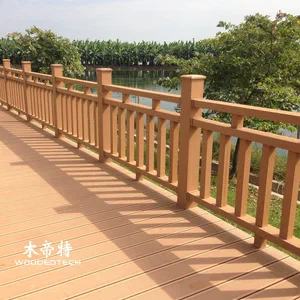 Composite Decking Railing: A Complete Guide for B2B Buyers in 2026
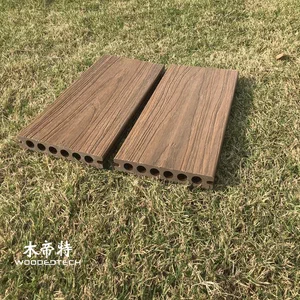 Composite Railing Designs: Industrial Applications, Performance, and Material Selection
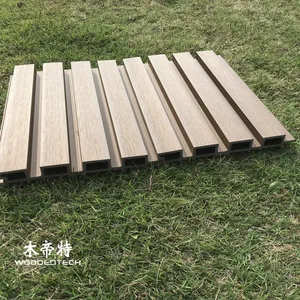 Composite Railing for Deck: A B2B Guide to Materials, Performance and Installation
Related Products
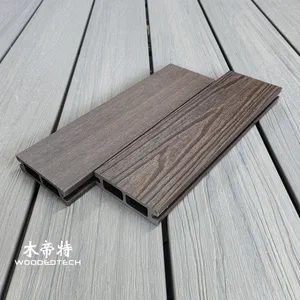 3DGL9024 Composite Decks and Railings Feature Premium Co Extruded 3D Embossed Rosewood Grain Texture with Realistic Natural Wood Fibers
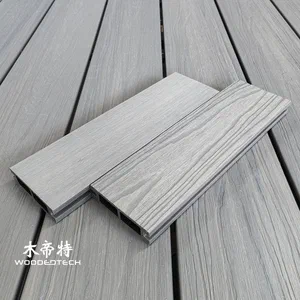 3DGL9024 Composite Railing Kits Feature Premium Co Extruded 3D Embossed Antique Wood Grain Texture with Realistic Natural Wood Fibers
 10' composite deck railing allows customized styles and dimensions for various landscape and building projects