
Composite Deck Pricing in 2026: A B2B Guide to Costs and Specifications
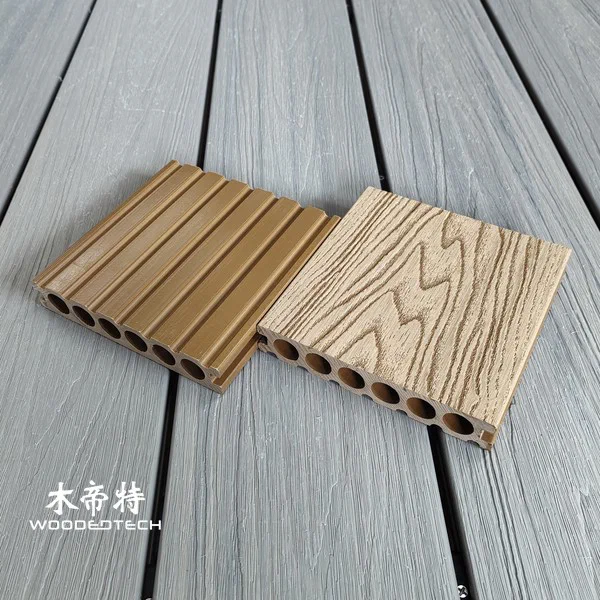
Composite decking prices in 2026 depend on material composition, board structure, surface technology, manufacturing quality, and order quantity. For international distributors, importers, contractors, and project developers, understanding these factors is essential to comparing suppliers and controlling procurement costs. This guide explains the main composite deck pricing factors, typical material price ranges, technical specifications, and purchasing considerations for bulk orders.
2026 Composite Decking Price Guide
The price of wood plastic composite decking varies according to product design and manufacturing processes. As an initial budgeting reference, indicative factory-level material prices may fall within the following ranges:
| Composite decking type | Indicative price (USD/sq. ft.) |
|---|---|
| Hollow WPC decking | $1.50–$3.00 |
| Solid WPC decking | $2.50–$4.50 |
| Capped composite decking | $3.00–$5.50 |
| Co-extrusion composite decking | $3.50–$6.50 |
| Customized premium WPC decking | $5.00–$8.00+ |
These figures are preliminary sourcing estimates, not fixed quotations or guaranteed market prices. Actual factory prices depend on order volume, board dimensions, material formulation, packaging, destination, and trade terms. Retail prices in markets such as the United States can be considerably higher because of distribution, logistics, and local operating costs.
Hollow composite decking is generally an economical option for residential projects and standard outdoor applications. Solid composite decking uses more raw material and typically carries a higher unit price. Capped and co-extrusion products cost more because their additional surface protection requires more advanced manufacturing processes.
Key Factors That Affect Composite Deck Cost
Material composition is one of the most important pricing factors. WPC decking commonly combines wood fibers or wood powder, HDPE or other thermoplastic polymers, and performance additives. The proportion and quality of these ingredients influence product density, mechanical strength, dimensional stability, and resistance to environmental exposure.
Manufacturing technology also affects the final price. Traditional uncapped decking offers a relatively affordable entry point, while capped composite decking features a protective polymer layer that helps reduce moisture penetration, staining, and surface fading. Co-extrusion technology creates a protective outer shell around the board, making it suitable for buyers seeking enhanced surface durability and lower maintenance requirements.
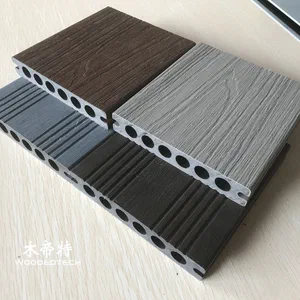
Board structure and dimensions also matter. Hollow profiles generally consume less material than solid profiles, while thicker and heavier boards require more raw materials. Custom lengths, special cross-sections, embossed wood-grain textures, and non-standard colors may increase production costs. Buyers should compare the actual weight per linear meter rather than relying exclusively on the price per board.
Order quantity is another major consideration for international procurement. Larger wholesale orders allow manufacturers to optimize raw material purchasing, extrusion production, packaging, and container loading. Smaller orders, mixed-color requirements, and customized production runs may result in higher unit prices.
Technical Specifications Buyers Should Compare
A competitive composite decking quotation should include complete technical information rather than just a unit price. The following specifications provide a practical starting point for evaluating different suppliers.
| Specification | Common purchasing considerations |
|---|---|
| Material composition | Wood fiber, HDPE, additives |
| Board dimensions | 140–150 mm width, 20–25 mm thickness |
| Board structure | Hollow, solid, or reinforced hollow |
| Surface treatment | Brushed, embossed, or co-extruded |
| Density | Verify actual kg/m³ |
| Flexural strength | Request laboratory test results |
| Water absorption | Request measured test values |
| Thermal expansion | Check expansion coefficients |
| Available lengths | Standard or customized |
| Color options | Standard and customized colors |
These dimensions are common examples rather than universal specifications. The appropriate profile depends on the intended application, installation method, support spacing, and local building requirements.
Professional buyers should also request test reports for bending strength, water absorption, slip resistance, UV weathering, and dimensional stability. Testing methods and acceptance criteria should be clearly identified. For commercial and public projects, fire performance and applicable regional compliance documentation may also be required.
Additional Costs Beyond the Decking Boards
The purchase price of composite decking boards is only one part of the total procurement budget. A complete decking system may require several additional components:
- WPC or aluminum joists for structural support.
- Stainless steel or compatible installation clips.
- Starter clips, end clips, and connecting fasteners.
- Fascia boards and edge finishing profiles.
- Stair treads, risers, and matching accessories.
- Protective packaging, palletizing, and export documentation.
International buyers should calculate the total landed cost, including factory pricing, inland transportation, ocean freight, insurance, customs duties, and destination handling charges. Import duties and tariff classifications vary by destination and product composition, so these should be verified before placing an order.
Installation requirements should also be considered. Composite decking expands and contracts with temperature changes. Appropriate expansion gaps, joist spacing, ventilation, and drainage are necessary for long-term performance. A lower-priced board may create higher project costs if its dimensions or installation system are incompatible with local construction practices.
How to Choose the Right Composite Decking Manufacturer
Selecting a reliable wood plastic composite decking manufacturer involves more than comparing quotations. Buyers should evaluate production capacity, extrusion equipment, raw material sourcing, quality control procedures, and experience with international export orders.
Request samples before confirming bulk purchases. Examine surface consistency, color uniformity, edge quality, profile dimensions, and the strength of the board structure. For capped and co-extrusion products, inspect the protective layer for consistent coverage and bonding.
It is also important to clarify minimum order quantities, standard production lead times, customized color availability, packaging specifications, warranty conditions, and spare accessory availability. A professional manufacturer should be able to provide technical datasheets, relevant test reports, installation instructions, and product samples.

For distributors and private-label buyers, OEM and ODM capabilities can provide additional commercial value. Custom extrusion profiles, exclusive colors, branded packaging, and coordinated decking accessories help establish a differentiated product range in competitive markets.
When requesting a quotation for 2026 composite decking procurement, provide the required board dimensions, profile structure, surface finish, quantity, destination port, and any relevant certification requirements. Comparing suppliers against the same technical specifications makes price evaluations more meaningful and reduces the risk of unexpected costs after production begins.
A dependable manufacturing partner should offer a balance of competitive factory pricing, consistent product quality, reliable production capacity, and responsive technical support. These factors help international buyers build a sustainable supply chain and deliver outdoor decking solutions that meet both project budgets and long-term performance expectations.
Related Articles
Related Products
 GD13820 M Shape Co Extruded Composite Deck Planks Feature a Special Profile Design for Distinctive Outdoor Decking Applications
 GD13823-3 Composite Boards for Decking Are Available in Multiple Stock Colors with 3 Meter Lengths and Single Piece Delivery
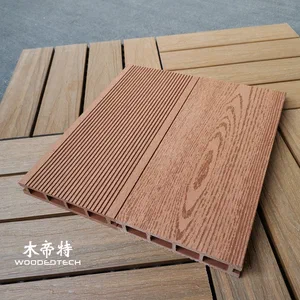 The Classic D14025-4 Red Wood WPC Wood Sheet Features a Timeless 2D Flat Wood Grain Design That Remains Popular After Twenty Years