
Composite Deck Price vs Wood: An In-Depth Cost Analysis for 2023
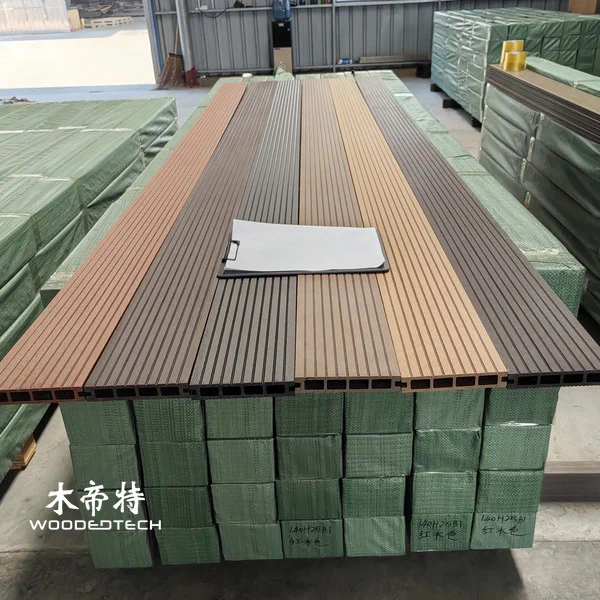
Composite decking, particularly wood plastic composite (WPC), has gained popularity as an alternative to natural wood, aluminum, and other materials for outdoor spaces. This article offers a detailed comparison of composite decking versus traditional wood, examining the advantages, disadvantages, maintenance needs, and lifecycle costs to help you make an informed decision.
Advantages of Composite Decking
One of the primary benefits of composite decking is its durability. Composite materials are designed to withstand harsh weather conditions, making them resistant to rot, splintering, and insect damage. This longevity means less frequent replacements compared to natural wood, which can degrade over time. Additionally, composite decking often includes UV protection, preventing fading and discoloration.
- Scratch and stain-resistant
- Available in various colors and textures
- Eco-friendly options made from recycled materials
Another significant advantage is the low maintenance requirement. Unlike natural wood, which needs regular sealing, staining, and painting, composite decking typically only requires occasional cleaning with soap and water. This ease of upkeep can translate into cost savings over the material’s lifetime.
Disadvantages of Composite Decking
However, composite decking does come with some drawbacks. The initial cost can be higher than that of traditional wood, which may deter some buyers. While composite decking is designed to last, it can still be susceptible to fading, particularly in areas with intense sunlight exposure.
- Higher upfront investment compared to wood
- Potential for fading over time
- May not provide the same aesthetic appeal as natural wood
Natural Wood Considerations
Natural wood, such as cedar or redwood, offers a classic look that many homeowners find appealing. When properly maintained, wood can be extremely durable and provides a warm, authentic aesthetic. However, it requires significant upkeep, including regular treatment to prevent rot and insect infestation.
- Traditional appeal with unique grain patterns
- Requires regular maintenance to extend lifespan
- Prone to warping and splintering if not properly cared for
The lifecycle cost of natural wood can be high when considering maintenance, repairs, and replacements due to damage.
Aluminum and Other Materials
Aluminum decking is another alternative, known for its lightweight and strength. It is impervious to rot and insect damage, making it a durable choice. However, aluminum can get hot in the sun and may require additional features like slip-resistant coatings.

- Lightweight and strong
- Long-lasting with minimal maintenance
- Can become hot in direct sunlight
Other materials such as concrete or stone pavers can provide durability and aesthetic options but often come with higher installation costs and less flexibility in design compared to composite decking.
Lifecycle Costs and Maintenance
When evaluating lifecycle costs, composite decking often proves to be more cost-effective over time. While the initial investment may be higher than wood, the reduced maintenance and longer lifespan can lead to lower overall costs.
- Composite decking: higher initial costs, lower maintenance costs
- Natural wood: lower initial costs, higher long-term maintenance and replacement costs
- Aluminum: moderate initial costs, very low maintenance costs
Related Articles
 Comparing the Cost of Composite Decking vs Wood: Insights for 2024 Business Decisions
 Understanding the Costs: How Much Do Composite Deck Boards Cost in 2023?
 Understanding Composite Decking Cost per m2: A Comprehensive Guide for 2023
 Understanding the Cost for Composite Deck Per Square Foot: A 2023 Guide for Contractors
Related Products
 GD13820 M Shape Co Extruded Composite Deck Planks Feature a Special Profile Design for Distinctive Outdoor Decking Applications
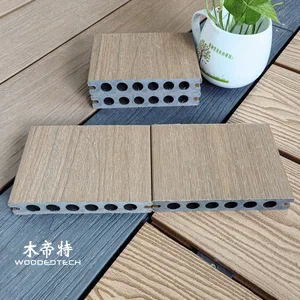 GD13823 Double Sided Flat Surface Co Extruded WPC Decking Features a Popular Width and Thickness with Round Hollow Structure
 GD13823-3 Composite Boards for Decking Are Available in Multiple Stock Colors with 3 Meter Lengths and Single Piece Delivery