
Composite Deck Posts: Industrial Applications, Material Benefits, and Selection Criteria
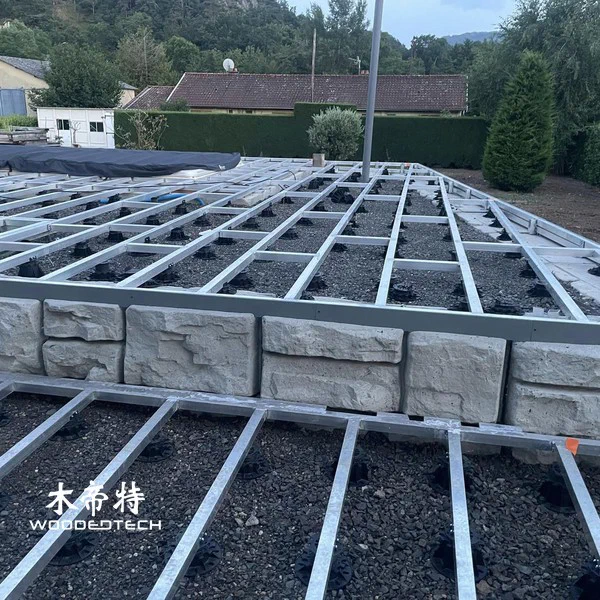
Composite deck posts are used to support outdoor decking systems, railings, boundary fences, pergolas, and other landscape structures in residential and commercial projects. Made from wood plastic composite (WPC) or engineered composite materials, they offer a practical alternative to traditional timber posts, combining a wood-like appearance with reduced maintenance requirements and resistance to moisture and weathering.
Industrial and Commercial Applications
In commercial landscapes, composite deck posts help define outdoor circulation areas, support railing systems, and create consistent architectural finishes. Hotels, resorts, restaurants, and commercial complexes can use them around outdoor dining terraces, garden walkways, rooftop leisure areas, and poolside decks. For high-traffic environments, select posts with verified load-bearing performance, UV resistance, and suitability for the expected exposure conditions. Where posts support guardrails or elevated platforms, the complete system must meet applicable structural and safety requirements.
Public parks, waterfront promenades, recreational facilities, and visitor centers can also benefit from composite posts. They are suitable for selected fencing systems, seating-area boundaries, viewing platforms, and landscape partitions. In these settings, prioritize impact resistance, reliable fixing methods, replaceable components, and straightforward cleaning. For exposed coastal locations, check the corrosion resistance of metal connectors and the compatibility of all fasteners with the surrounding environment.
Residential Gardens, Balconies, and Pool Areas
For residential gardens, composite deck posts can support perimeter railings, raised decks, patio enclosures, and pergola structures. Their coordinated colors and wood-grain finishes make it easier to match posts with composite decking boards, fence panels, and outdoor furniture. Homeowners who want a consistent exterior design can choose profiles and finishes from the same product range.
On balconies and rooftop terraces, composite posts can contribute to a low-maintenance railing or privacy-screen system. However, balcony applications require particular attention to wind loads, anchoring, waterproofing, and the structural capacity of the supporting substrate. Near swimming pools, choose products designed for wet outdoor environments and pair them with an appropriately slip-resistant walking surface. Drainage, regular cleaning, and resistance to pool chemicals should also be considered. Composite posts themselves should not be assumed to provide waterproofing or structural protection without supporting design details.
Material Benefits and Performance Considerations

WPC posts typically combine wood fibers or wood flour with thermoplastic polymers and additives. Compared with untreated timber, suitable composite formulations can offer improved resistance to moisture-related deterioration, reduced susceptibility to splintering, and less frequent surface treatment. They are available in different colors, textures, and profile configurations to suit contemporary and traditional landscape designs.
Performance varies by formulation, manufacturing process, wall thickness, and internal reinforcement. Hollow profiles may reduce material use and weight, while solid profiles or reinforced systems may be more appropriate for specific structural requirements. Composite materials can still expand and contract with temperature changes, fade under prolonged sunlight, or suffer damage from excessive loads. Fire performance also varies, so verify relevant test reports when projects require specified fire classifications.
How to Select the Right Composite Deck Posts
Before purchasing, assess the application, design loads, exposure conditions, and installation method. Confirm whether the posts are decorative components or structural supports, and request engineering data where necessary.
- Profile and dimensions: Match the post size, wall thickness, and reinforcement to the intended loads and connection details.
- Weather resistance: Review UV stability, moisture resistance, temperature tolerance, and suitability for coastal or poolside use.
- Installation compatibility: Check base plates, brackets, fasteners, spacing, and expansion allowances.
- Quality documentation: Request product specifications, relevant test reports, warranty terms, and maintenance guidance.
- Project consistency: Coordinate colors, surface textures, and dimensions with the selected composite decking and railing products.
For large developments, ask the manufacturer about custom extrusion profiles, batch consistency, supply capacity, and replacement-part availability. A properly specified post system can improve installation efficiency and support long-term performance across varied outdoor environments.
FAQ
Q: Are composite deck posts suitable for commercial projects?
A: Yes, provided the selected system meets the project’s structural, durability, and regulatory requirements. Commercial installations should be assessed for traffic levels, exposure, and maintenance needs.
Q: Can WPC posts be used around swimming pools?
A: Yes, when the products are designed for the intended outdoor exposure. Check moisture resistance, chemical compatibility, fixing materials, and the performance of the complete railing or deck system.
Q: Are composite posts maintenance-free?
A: No. They generally require less routine treatment than untreated timber, but periodic cleaning, inspection of connections, and checks for damage remain important.
Related Articles
 WPC Jumbo: Industrial Applications, Benefits, and Procurement Considerations
 Composite Railing Kit Selection Guide for Industrial Projects
 Gazebo Composite Solutions: Material Selection and Performance for Industrial Applications
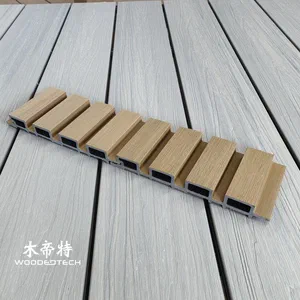 WPC Laden: Industrial Applications, Benefits, and Market Opportunities
Related Products
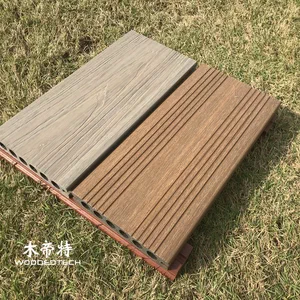 GD13823-3 Second Generation Co Extruded Wood Plastic Composites With High Quality Stable Performance For Premium Outdoor Applications
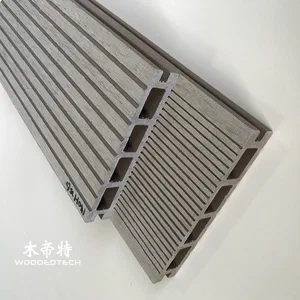 D14025-3 Composite Lumber for Decks Features a Classic Double Sided Groove Design with Excellent Value for Outdoor Projects
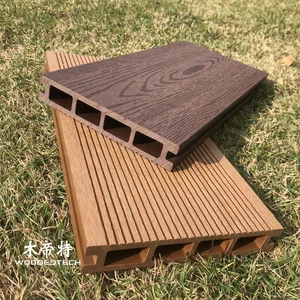 D14025-4 Composite for Decking Provides Stable Performance and Reliable Quality as a Popular Choice for Outdoor Projects