
Composite Deck Over Concrete Porch Creates a Comfortable Outdoor Surface Upgrade Solution

:::writing{variant=“document” id=“58391” title=“Composite Deck Over Concrete Porch Creates a Comfortable Outdoor Surface Upgrade Solution”} A composite deck over a concrete porch is an effective way to transform a hard, aging surface into a comfortable outdoor living area. With proper preparation, subframe installation, and fixing methods, WPC decking creates a durable, low-maintenance upgrade with improved appearance and long-term performance.
Installing composite decking on concrete requires careful planning because drainage, ventilation, and expansion movement are essential for system stability. Before installation, inspect the concrete porch to ensure it is structurally sound, clean, and free from major cracks or uneven areas. The surface should have a slight slope for water drainage. If water cannot drain properly, adjust the subframe height to create airflow beneath the decking boards.
Subframe Preparation and Deck Installation
A strong subframe is the foundation of a reliable composite deck. For concrete porch applications, use treated timber joists or aluminum joists designed for outdoor use. Install adjustable supports or spacers where needed to prevent direct contact between the joists and standing water.
The joists should be positioned according to the decking manufacturer’s recommended spacing. Proper spacing supports the boards evenly and reduces movement over time. After the subframe is secured, place the WPC decking boards across the joists and check alignment before final fixing.
Fixing methods usually include hidden clips and stainless steel screws. Hidden fasteners provide a clean surface appearance while allowing natural expansion and contraction. Edge boards may require face fixing with suitable screws to ensure stability around the perimeter.
Expansion Gaps and Cutting Requirements
Composite decking expands and contracts with temperature changes, so expansion gaps must be maintained during installation. Leave sufficient spacing between boards, at the ends of boards, and between the decking system and surrounding walls or structures.
When cutting WPC decking boards, use sharp carbide-tipped blades for clean edges. Measure carefully before cutting, especially around corners, drainage points, and steps. Seal or protect exposed cut edges when required to maintain the product’s appearance and durability.

Maintenance Tips for Long-Term Performance
One of the advantages of composite decking is its low maintenance requirement. Regularly remove leaves, dirt, and debris to prevent moisture buildup and surface staining. Clean the deck with mild soap and water when needed, avoiding harsh chemicals that may damage the surface finish.
Inspect fasteners, gaps, and drainage areas periodically to ensure the decking system remains secure. With correct installation and basic care, a composite deck over a concrete porch can provide a comfortable, attractive outdoor surface for many years.
FAQ
Q: Can composite decking be installed directly over a concrete porch? A: Composite decking should not be installed directly on concrete. A properly supported subframe is needed to provide drainage, ventilation, and structural stability.
Q: What fixing method is best for composite decking? A: Hidden clips are commonly used for a clean appearance, while stainless steel screws are suitable for stronger edge and special-area fixing.
Q: How do I maintain a WPC deck installed over concrete? A: Regular cleaning, debris removal, and inspection of drainage and fasteners help maintain the deck’s performance and appearance.
:::
Related Articles
 Composite Decking and Installation Provide Complete Solutions for Building Durable Outdoor Floors
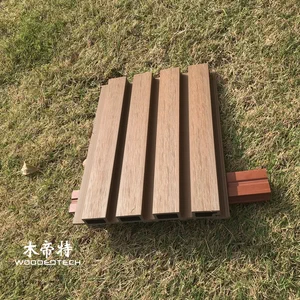 Framing for Composite Decking to Build Stable and Long Lasting Outdoor Decks
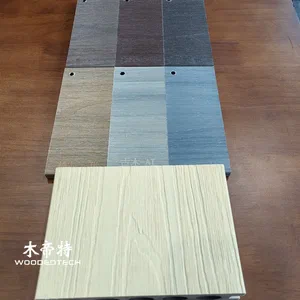 WPC Decking Blog with Expert Guides Installation Tips and Industry Insights
 How to Cut Composite Deck Boards for Clean and Accurate Installation Results
Related Products
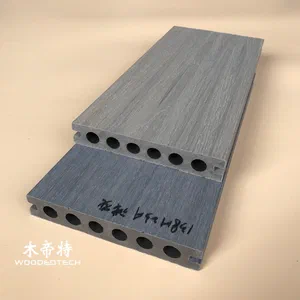 GD13823 Composite Decking Material Features Six Small Round Holes to Reduce Weight While Maintaining Structural Strength
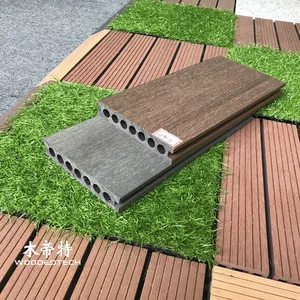 GD13823-2 Wood Versus Composite Decking Features Seven Round Holes with Wood Grain and Brushed Textures on Opposite Sides
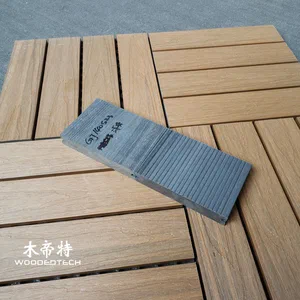 GD14023S Composite Deck Materials Feature a Solid Structure and Side Grooves for Better Adaptability in Extremely Cold Climates