
Composite deck or wood comparison helps customers choose the right outdoor flooring material for their projects
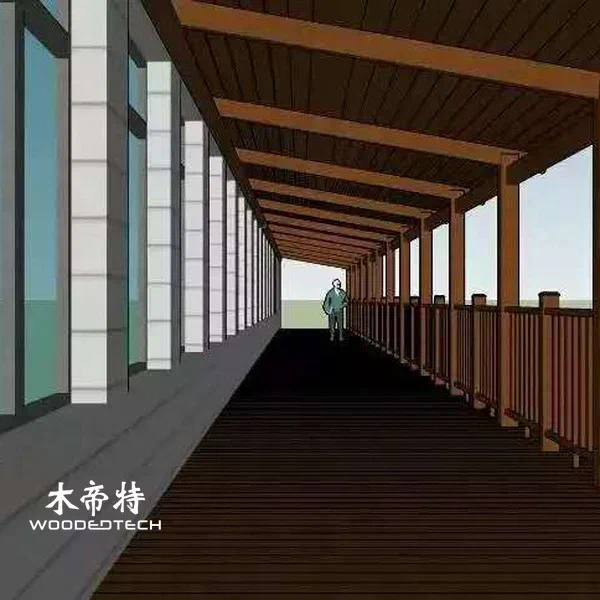
Outdoor WPC is a practical alternative to natural wood for decks, terraces, and other exterior flooring projects. It offers the warm look many buyers want, while reducing the rot, splintering, and repainting that come with traditional timber.
What outdoor WPC changes in a flooring project
WPC, or wood plastic composite, combines wood fiber with polymer content to create a board that performs better outdoors than untreated wood. For buyers comparing composite deck or wood, the biggest difference is stability: WPC is less likely to crack, warp, or absorb moisture, which makes it easier to specify for humid, coastal, or high-traffic spaces.
Natural wood still wins on authentic grain, sharp edge detailing, and the ability to refinish the surface over time. But that advantage comes with ongoing care. Timber needs sealing, staining, or oiling at regular intervals, and even then it may fade, move, or decay faster than a composite system in difficult climates.

Comparing WPC with aluminum and other exterior materials
Aluminum is highly durable, lightweight, and non-absorbent, so it performs well where corrosion resistance and structural efficiency matter. It is often chosen for frames, railings, and substructures rather than for the walking surface itself, because metal decking can feel less comfortable underfoot and usually looks less natural than wood-grain composites.
Concrete, stone, and ceramic exterior tiles bring strong wear resistance and a premium appearance, but they are heavier, harder to install, and more expensive to modify once the project is built. They also tend to be less forgiving in areas where thermal movement, drainage design, or slip resistance must be carefully managed. For many outdoor flooring applications, WPC sits in the middle: lower maintenance than wood, warmer in appearance than metal or stone, and simpler to install than mineral-based finishes.
Maintenance and lifecycle cost
The maintenance gap is where composite decking often proves its value. Typical WPC care is basic:
- regular sweeping
- occasional washing with mild soap and water
- checking fasteners and drainage
- avoiding harsh solvents and abrasive tools
Natural timber usually demands more labor and more products over its service life, including recoating, sanding, and periodic repair of damaged boards. That means the initial purchase price of wood may look attractive, but lifecycle cost often rises once maintenance, downtime, and replacement boards are added. WPC generally has a higher upfront cost than untreated wood, yet its lower upkeep can make total ownership cheaper over a long project cycle.
Choosing the right material
For projects that need a natural premium finish and allow for active maintenance, wood remains a strong option. For low-maintenance residential decks, commercial terraces, poolside platforms, and hospitality walkways, outdoor WPC is usually the more balanced choice. If the design requires very high structural durability or slim framing, aluminum may be part of the system, especially as support rather than surface material.
FAQ
Q: Is WPC better than wood for outdoor flooring? A: In most low-maintenance projects, yes. WPC resists moisture, splintering, and decay better than wood, while wood still offers a more natural look and easier refinishing.
Q: Does WPC cost less than timber over time? A: Usually it does. The initial price may be higher, but WPC often saves money because it needs far less sealing, staining, and repair.
Q: Where does aluminum fit in an outdoor flooring project? A: Aluminum is best used for framing, edging, or railing systems when corrosion resistance and light weight are priorities. It is less common as the main walking surface.
Related Articles
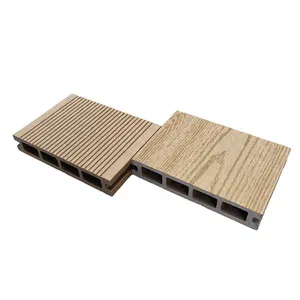 Outdoor WPC Decking for Beautiful Durable and Low Maintenance Outdoor Living
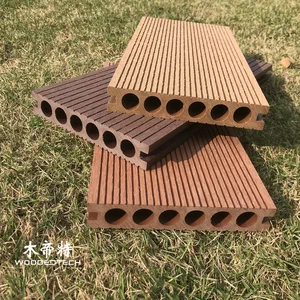 Outdoor Comfort Wood Plastic Deck Veneer with Enhanced Foot Feel
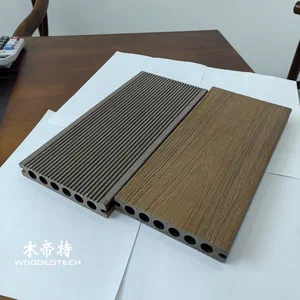 wood composite decking cost depends on product design material quality and project specifications
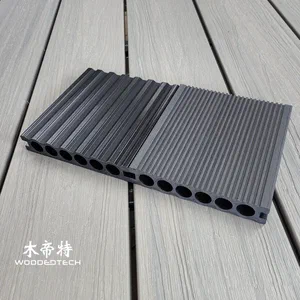 Cost Comparison Analysis: is plastic decking cheaper than wood over Time
Related Products
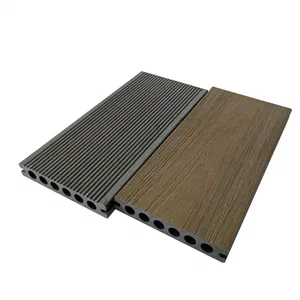 GD14023 Composite Decking Versus Wood Decking Features a Round Hole Structure with Semi Capped Co Extrusion
 Y6040S Extra Large Thick Solid I Shaped Composite Deck Joist Offers Strong Support for Outdoor Structures
 L120120 four side flat surface 4x4 composite deck post provides strong support for outdoor fence structures